Helping You Raise a Calm, Happy & Well-Behaved Dog
A Guide to Puppy Socialization That Works
Sara Michael,
Sharing is caring 😉
A puppy who happily rushes toward every person and dog is not necessarily well socialized. A puppy who can notice the world, stay relaxed, and return attention to you is. That difference matters because early experiences shape how your dog handles strangers, noises, grooming, car rides, vet visits, and everyday life for years to come. This guide to puppy socialization gives you a clear plan to build that confidence without creating an overstimulated, out-of-control dog.
Socialization is not about collecting as many greetings as possible. It is about teaching your puppy that new things are safe, manageable, and not a reason to panic, pull, bark, or ignore you.
Puppies have an early developmental window when new experiences tend to make a strong impression. Most trainers focus heavily on roughly 8 to 16 weeks, but learning does not stop after that point. A young puppy needs thoughtful exposure early, then continued practice through adolescence when confidence can wobble and excitement often increases.
Good socialization means controlled exposure to people, dogs, places, surfaces, sounds, handling, and daily routines. Your puppy should have the freedom to observe from a comfortable distance. They do not need to be touched, passed around, or forced into every situation.
The goal is calm curiosity. If your puppy sees a skateboard, hears a truck, or notices another dog and can look back at you for a treat, that is a win. You are building a dog that can function in the real world, not a puppy that believes every sighting requires a party.
Start With Safety and Structure
Before taking your puppy everywhere, talk with your veterinarian about vaccination risks in your area. Puppies need social exposure before their vaccine series is complete, but that does not mean they should walk through high-traffic dog areas, visit dog parks, or greet unknown dogs.
Choose lower-risk options: carry your puppy through a busy area, sit on a clean bench outside a store, invite a healthy known dog to your home, or let your puppy watch a school pickup line from your car. Controlled experiences protect both your puppy’s health and their emotional development.
Keep sessions short. Five calm minutes can teach more than an hour that leaves your puppy tired, overwhelmed, or scared. Bring small, high-value treats, create distance when needed, and always give your puppy a way to move away.
The Best Guide to Puppy Socialization: Build a Calm Response
Use a simple pattern for nearly every new experience: notice, reward, move on.
When your puppy notices something new, mark that calm moment with praise or a treat. If they look at a person walking past, say “good” and feed a treat. If they hear a garbage truck and remain relaxed, reward it. Then continue your walk or create a little more distance.
This teaches your puppy that unfamiliar things predict good outcomes and that you are worth checking in with. It also prevents the common mistake of waiting until a puppy is afraid or barking before trying to intervene.
Do not lure your puppy toward something that worries them. Treats should help them feel good at a safe distance, not pressure them to get closer than they can handle. If your puppy freezes, tucks their tail, leans away, repeatedly yawns, tries to hide, or refuses food, the situation is too intense. Increase distance immediately and make the next exposure easier.
Introduce People Without Creating Jumping Problems
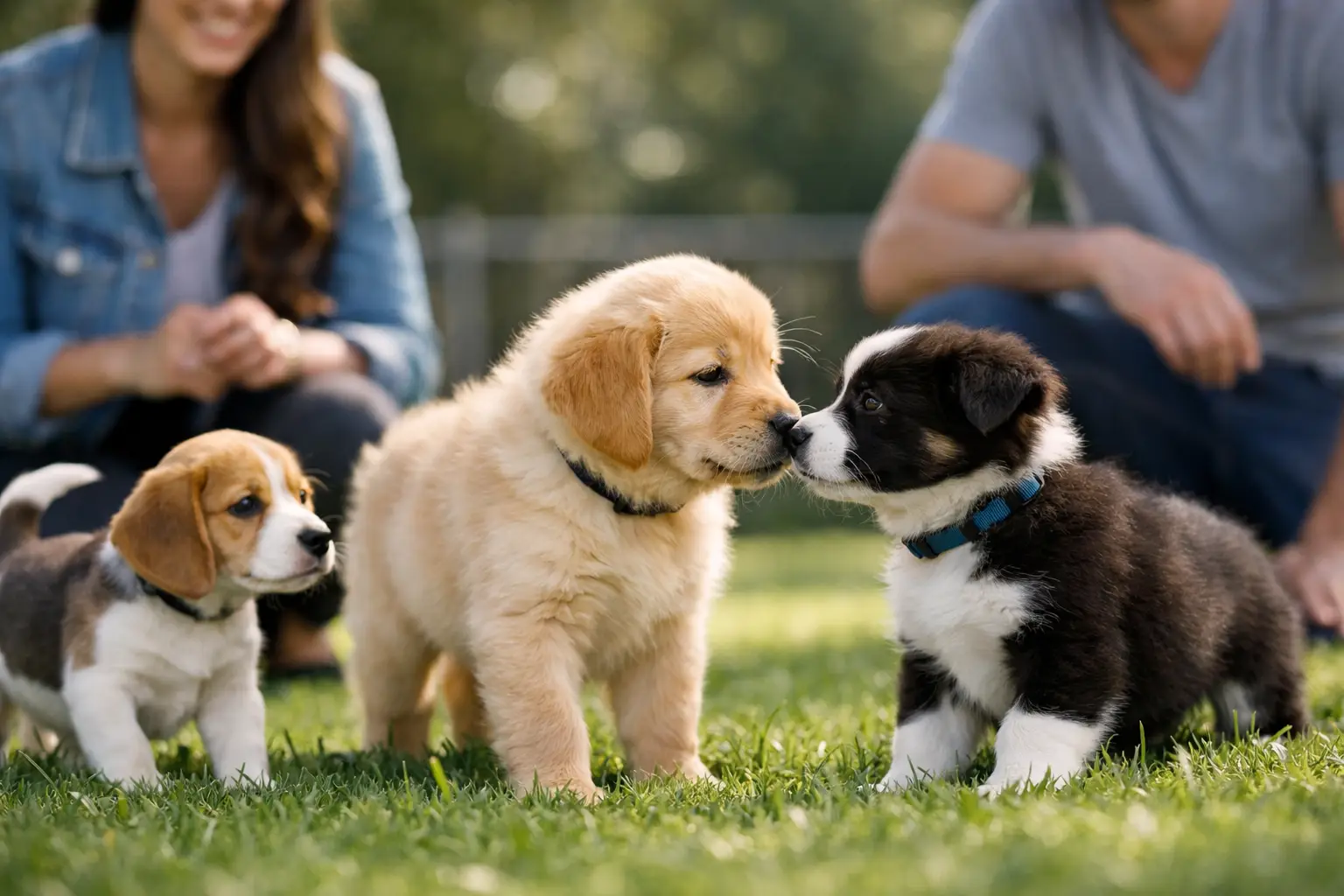
Your puppy should meet a range of people: adults wearing hats, calm children, delivery workers, people using canes, people with beards, and friends who move differently or speak loudly. But every person does not need to pet your puppy.
Ask visitors to ignore your puppy for the first minute or two. Let the puppy approach at their own pace. Reward four paws on the floor and calm behavior. If your puppy jumps, the person should quietly turn away rather than squeal, push, or accidentally reward the jumping with attention.
For children, supervision is non-negotiable. Keep greetings brief and teach children to pet the puppy gently on the chest or side instead of reaching over the head. A puppy should never be expected to tolerate hugging, chasing, being picked up, or having toys pulled away. Preventing those moments now can prevent fear and snapping later.
Choose Dog Interactions Carefully
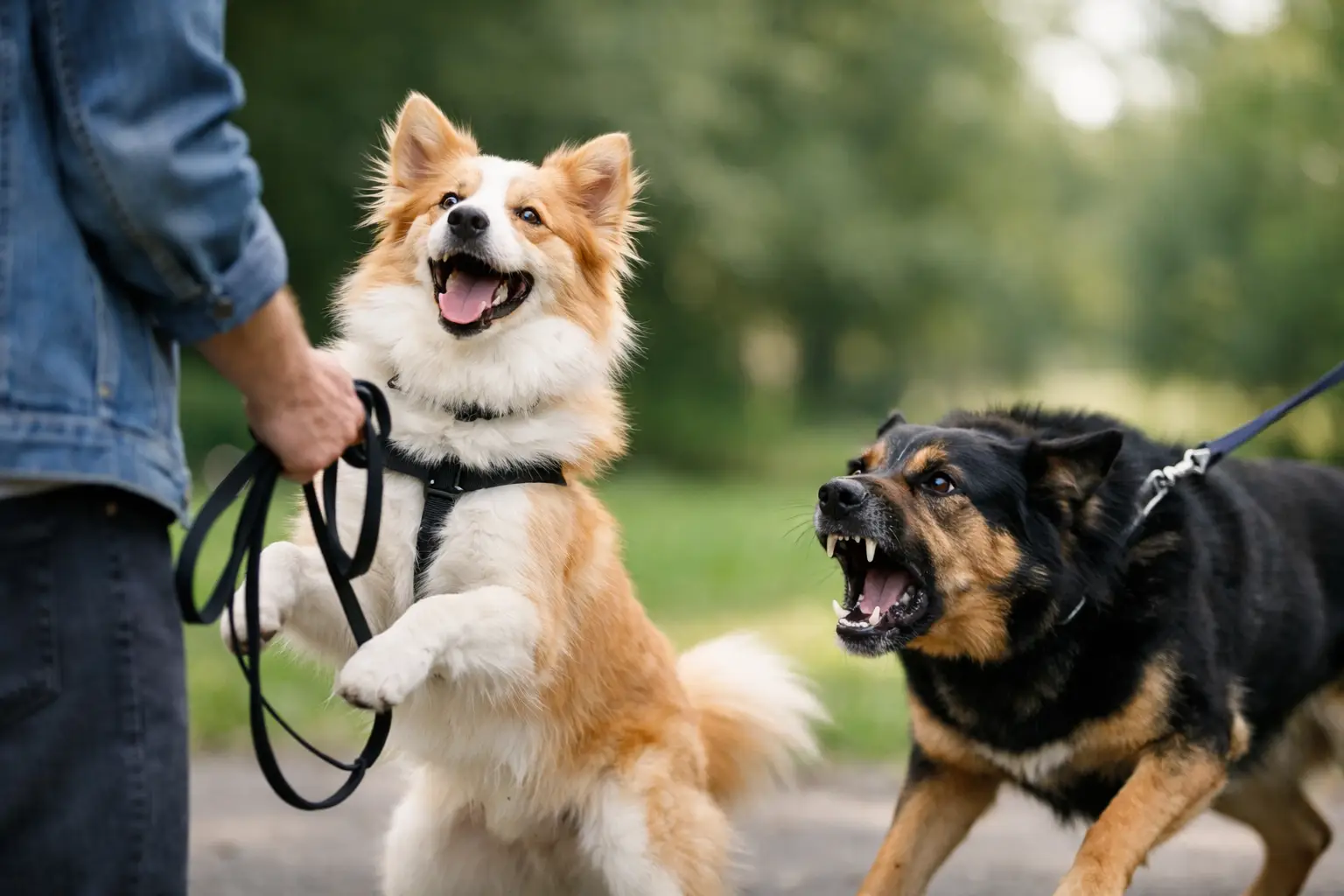
Meeting every dog is not socialization. In fact, repeated on-leash greetings can teach your puppy to pull, whine, and lose focus whenever another dog appears.
The best canine teachers are calm, healthy, socially skilled adult dogs that will not overwhelm your puppy. Start with parallel walks at a distance, then allow brief sniffing if both dogs have loose bodies and relaxed movement. Call your puppy away after a few seconds, reward them, and repeat only if both dogs remain comfortable.
Avoid dog parks for young puppies. You cannot control the other dogs, their health status, or the intensity of the interaction. One rough encounter can leave a lasting impression. A well-run puppy class may be useful, but quality matters. Look for clean facilities, knowledgeable supervision, small groups, breaks between play, and instructors who stop bullying or over-arousal quickly.
Socialize the Everyday Things Owners Forget
Behavior problems often begin around ordinary events that were never practiced. Make a practical list and work through it slowly over several weeks.
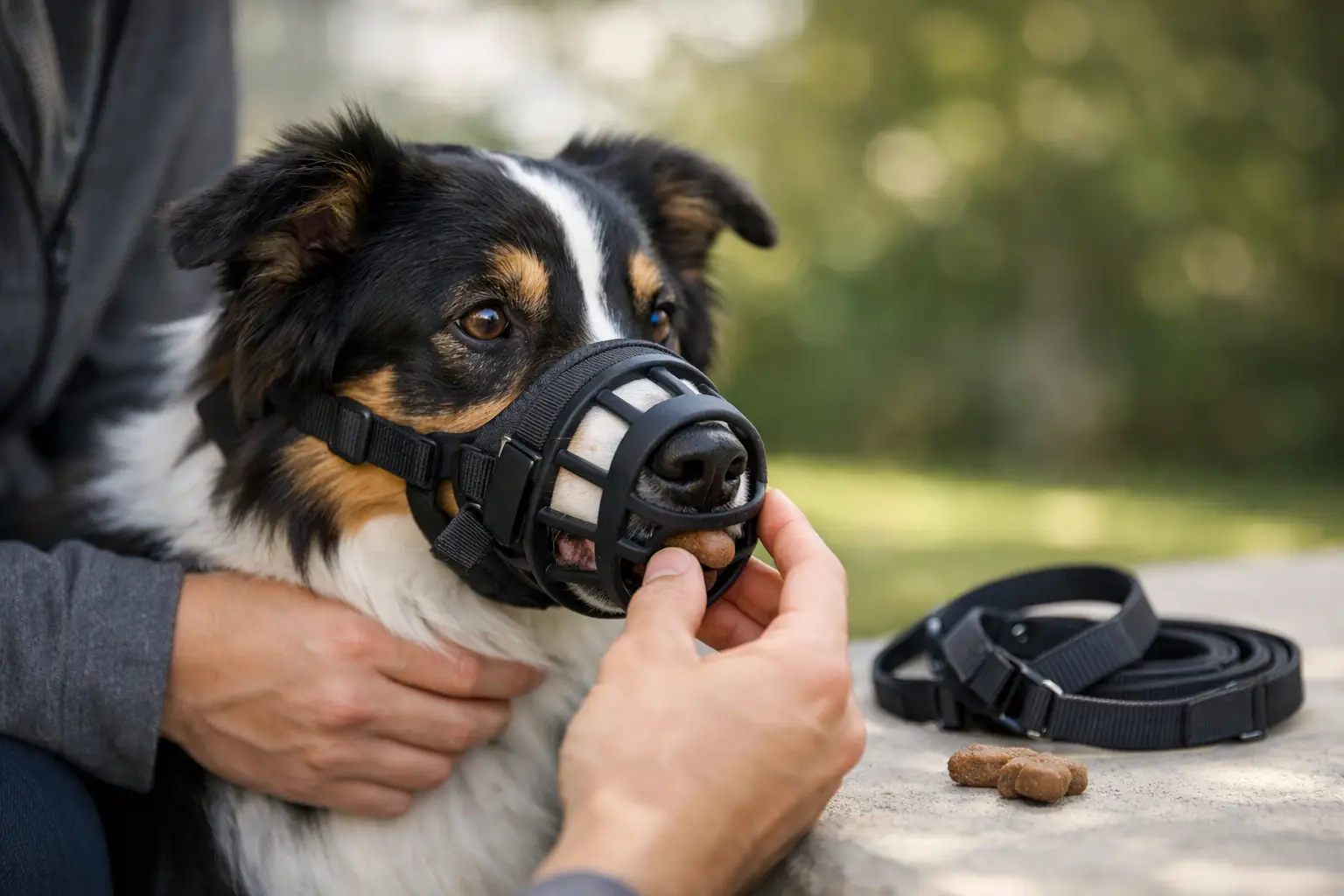
Your puppy should learn that handling is normal. Briefly touch their paws, ears, collar, tail, and muzzle, then reward. Practice opening their mouth, brushing their coat, and standing on a nonslip surface. Keep it light and stop before your puppy struggles. This work makes grooming, nail trims, and vet care far easier later.
Also introduce household sounds and movement: vacuum cleaners, blenders, doorbells, umbrellas opening, laundry baskets, bicycles, elevators, car rides, and different floor textures. Start at low intensity. For example, turn on the vacuum in another room, feed treats, then turn it off. Gradually work closer only while your puppy stays relaxed.
Short car trips deserve regular practice too. Take your puppy somewhere pleasant, not only to the veterinarian. A calm ride to sit in a quiet parking lot, visit a friend’s house, or watch people from the car helps prevent travel anxiety.
Keep Obedience Connected to Socialization
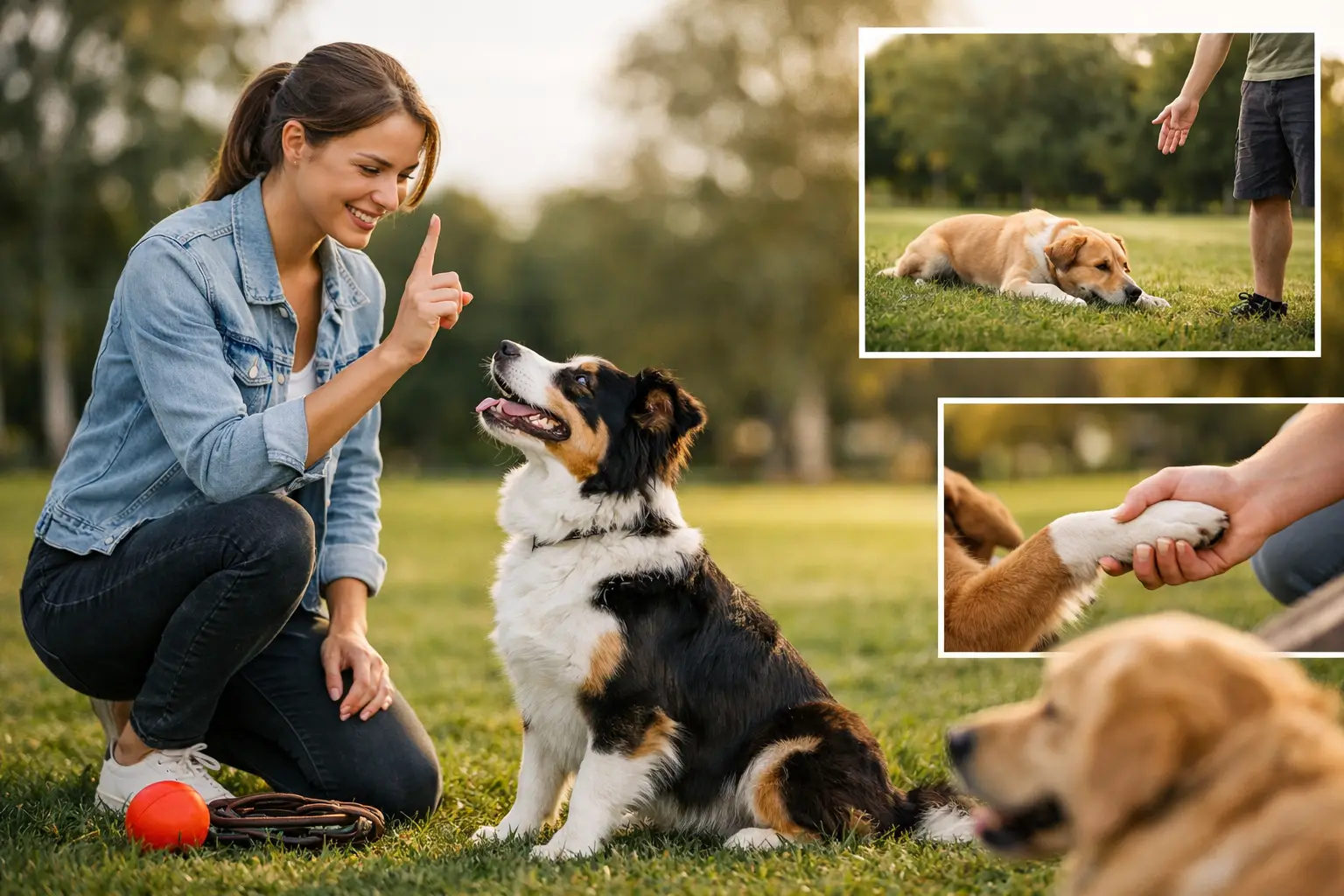
Socialization works better when your puppy has a few simple skills. Teach their name, a recall, sit, down, loose-leash walking, and a hand target. You do not need perfection before going out. You need a way to guide your puppy when the environment gets interesting.
Practice attention around mild distractions first. Ask for a simple sit while a family member walks by. Reward your puppy for choosing you near a calm dog at a distance. If they cannot respond, do not repeat commands louder. Make the situation easier by moving farther away or reducing the distraction.
This is how you prevent socialization from becoming a free-for-all. Your puppy learns that new environments are enjoyable, but listening still pays.
Avoid These Common Socialization Mistakes
The biggest mistake is forcing contact because you want your puppy to “get used to it.” A scared puppy does not become confident through repeated overwhelm. They may become more fearful, shut down, or eventually react with barking and aggression.
The opposite mistake is keeping your puppy isolated until they are older. Waiting for the “perfect” time can mean missing valuable early learning. Use safe, controlled exposure instead of choosing between total isolation and risky public outings.
Finally, do not confuse excitement with confidence. A puppy that pulls hard toward people, screams when they cannot greet a dog, or cannot settle after an outing needs more calm observation and less access. Socialization should produce a dog that can relax, not one that expects constant attention.
Make Progress Easy to Repeat
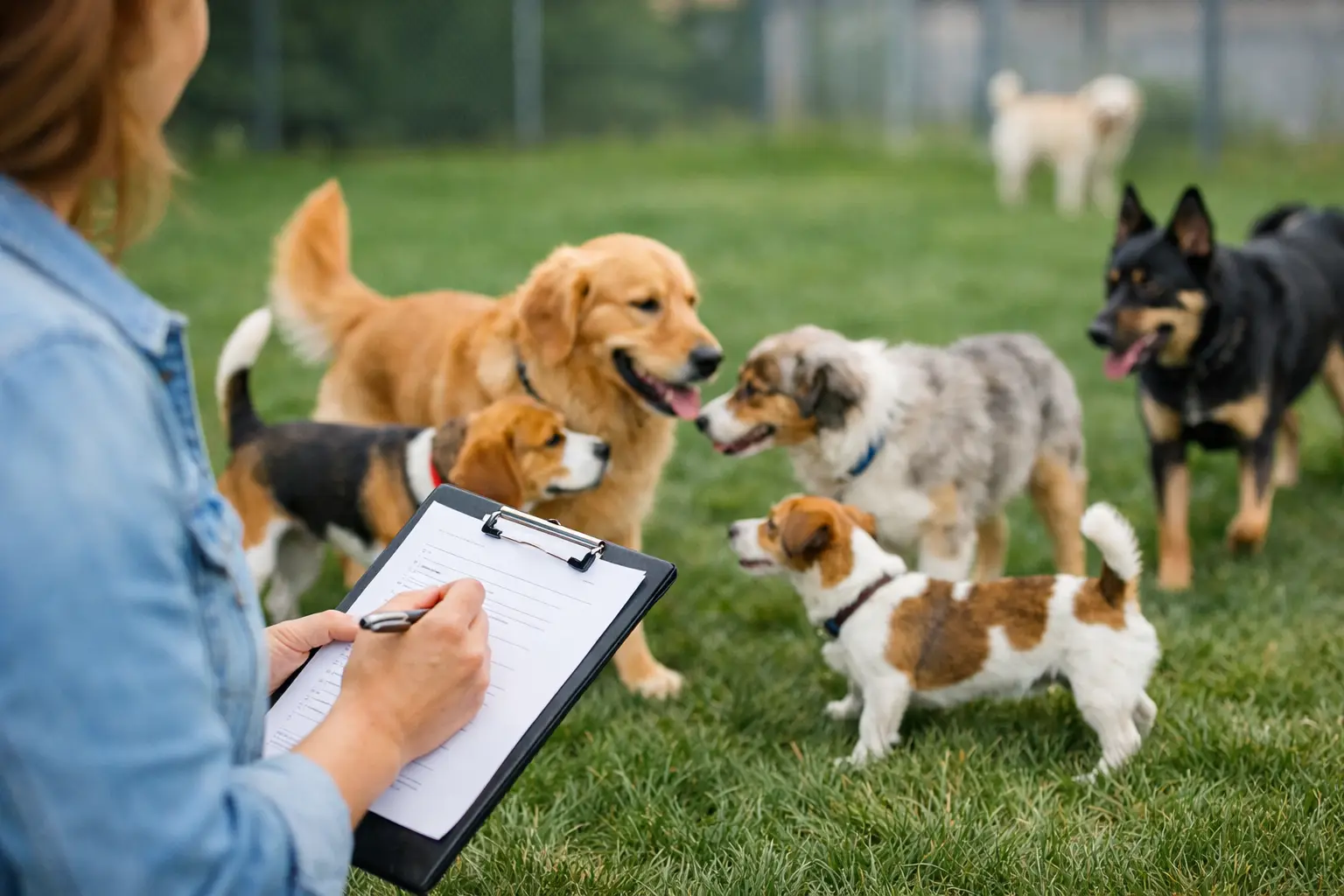
Aim for a few small exposures each week rather than cramming everything into one busy weekend. Track what your puppy has seen and how they responded. If a particular experience was difficult, break it into smaller steps and repeat it at a lower intensity.
Your puppy does not need to love every stranger, noisy truck, or unfamiliar dog. They need to trust that they can handle the moment and that you will provide clear direction when they cannot. Build that habit now, and each calm, successful outing becomes the foundation for a confident adult dog.