Helping You Raise a Calm, Happy & Well-Behaved Dog
How to Train a Dog Stay Command That Holds
Sara Michael,
Sharing is caring 😉
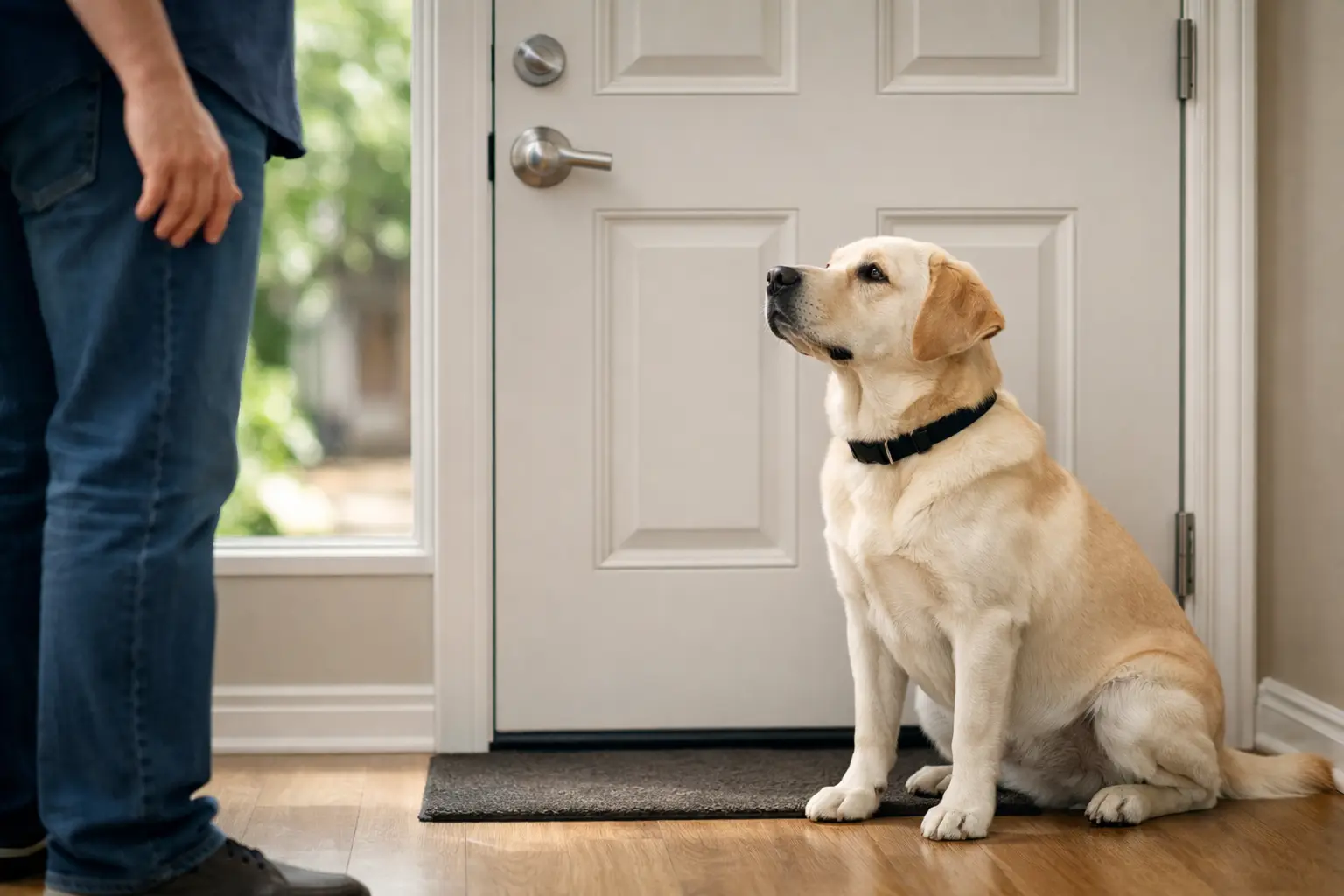
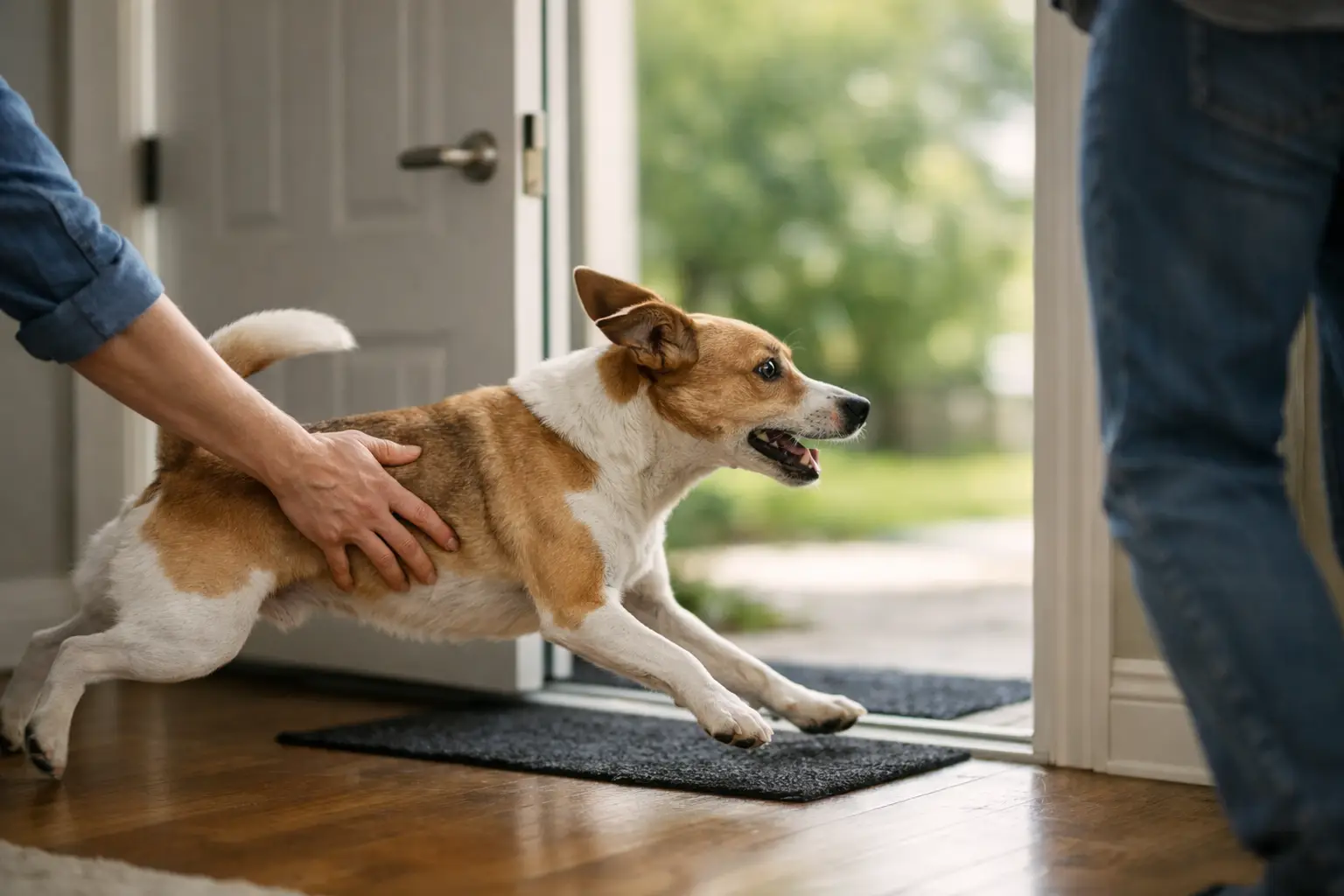
A stay command is not just a party trick. It is the skill that keeps your dog from bolting through an open door, crowding a visitor, or stepping into danger while you grab the leash. If you are searching for how to train dog stay command, the fastest path is not asking for a longer stay right away. Start by teaching your dog exactly what “stay” means, then build difficulty one small win at a time.
Most dogs fail stays because the training moved too fast, not because they are stubborn. A reliable stay is built from three separate skills: duration, distance, and distractions. Train them in the right order and your dog can make fast, confident progress.
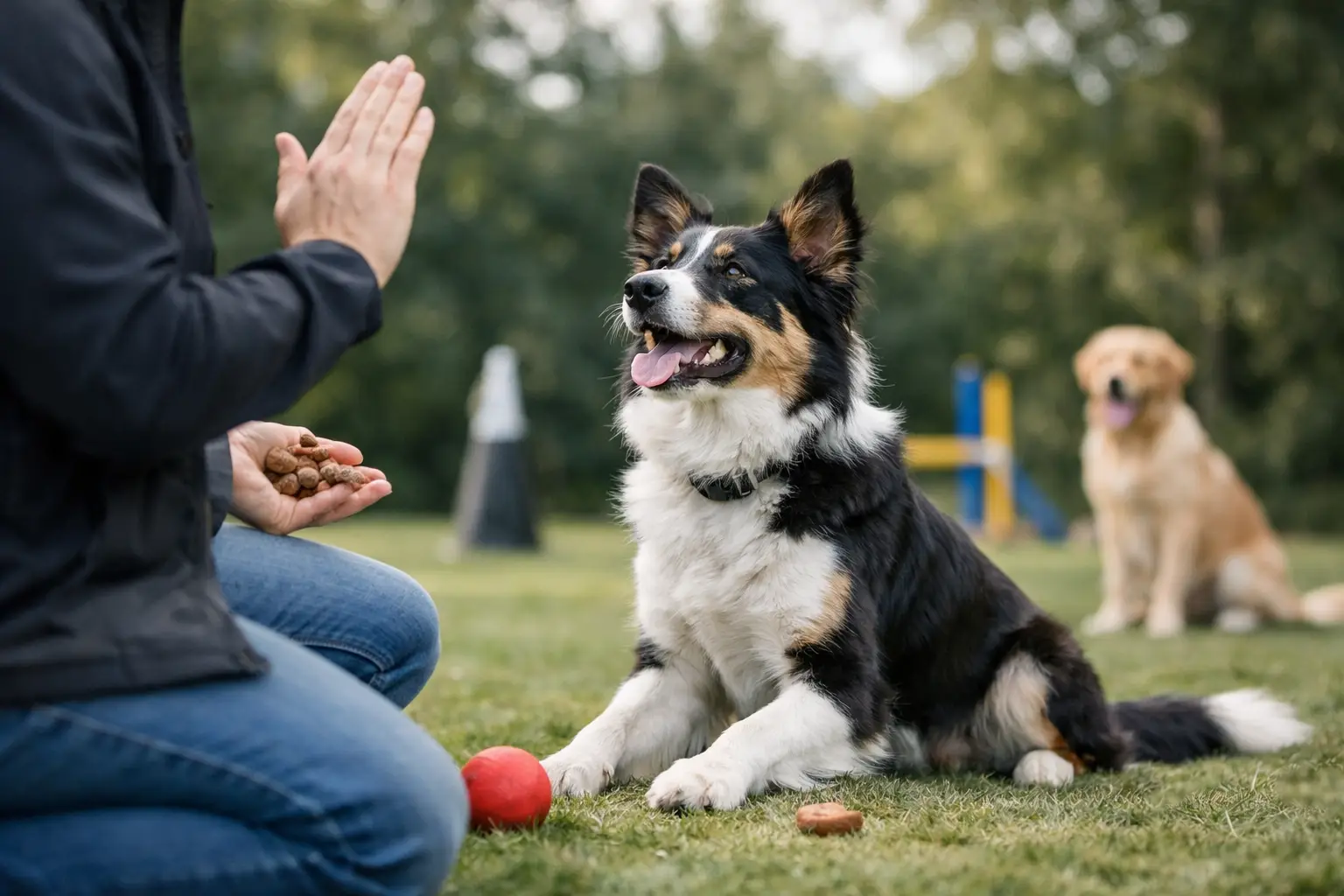
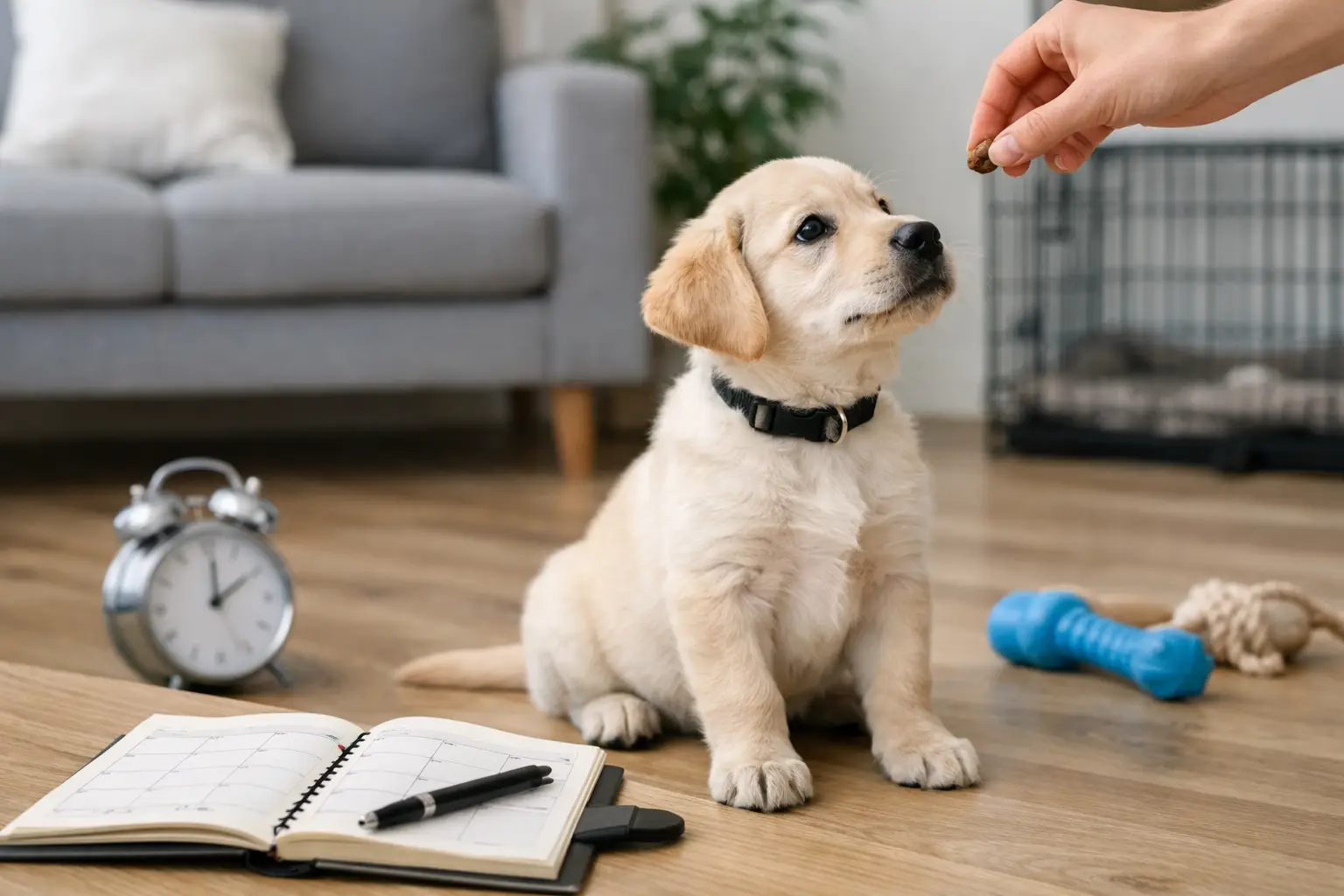
Choose a quiet room with a non-slip floor and have small, high-value treats ready. Soft, pea-sized rewards work well because you may deliver several in a short session. Keep sessions brief – two to five minutes is plenty, especially for puppies or energetic adolescent dogs.
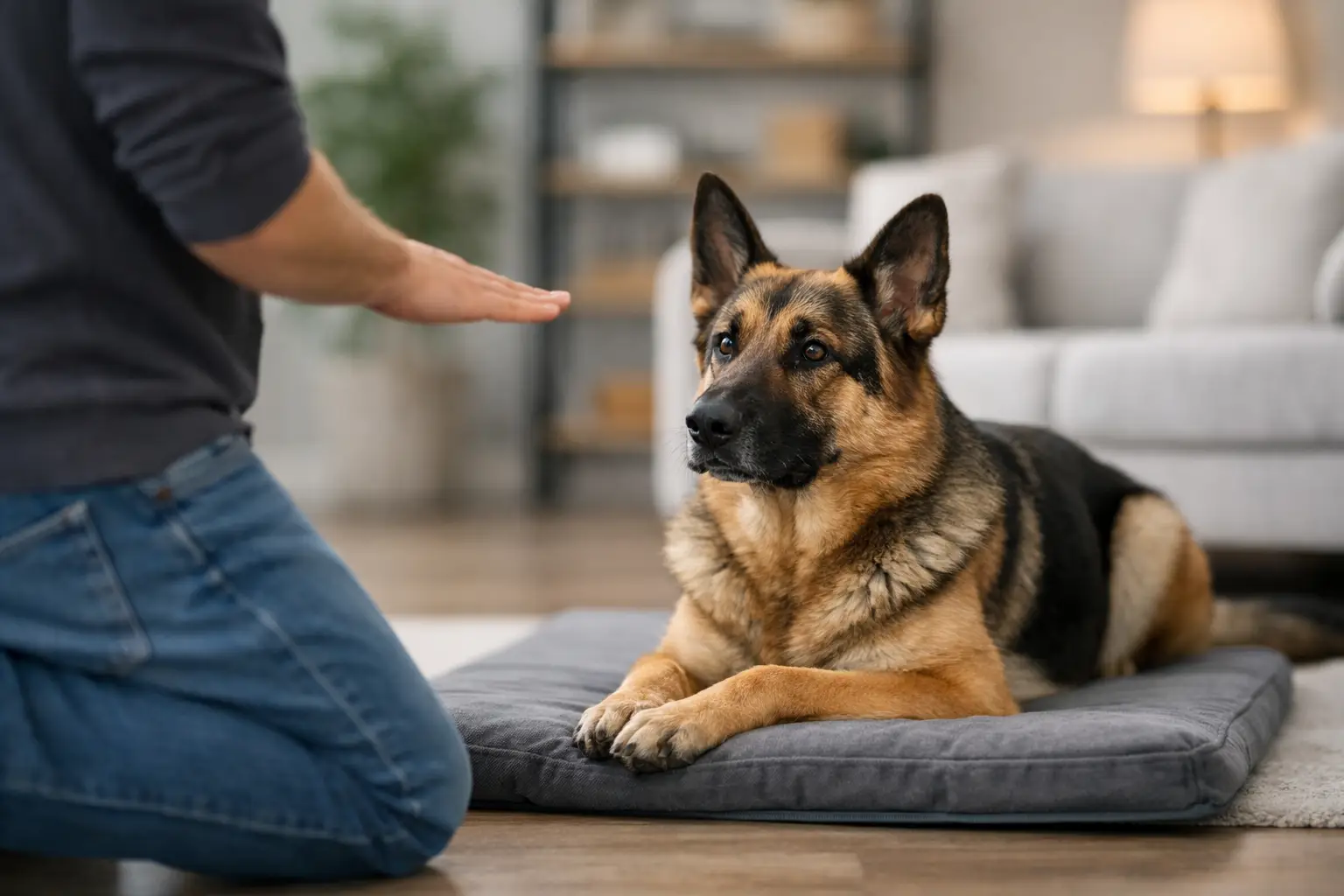
Your dog should understand a basic sit or down before learning stay. A down is usually easier for longer stays because it is less comfortable for a dog to pop up and wander off. Still, practice both positions eventually. A dog that can stay in a sit, down, or stand has a more useful level of obedience in real life.
You also need a release word. This tells your dog when the exercise is over. Pick one clear word, such as “free,” “break,” or “okay,” and use it only to end a command. Do not let your dog decide when the stay is finished. The release cue is what makes stay a real instruction rather than a suggestion.
How to Train a Dog Stay Command Step by Step
Start with one second of success
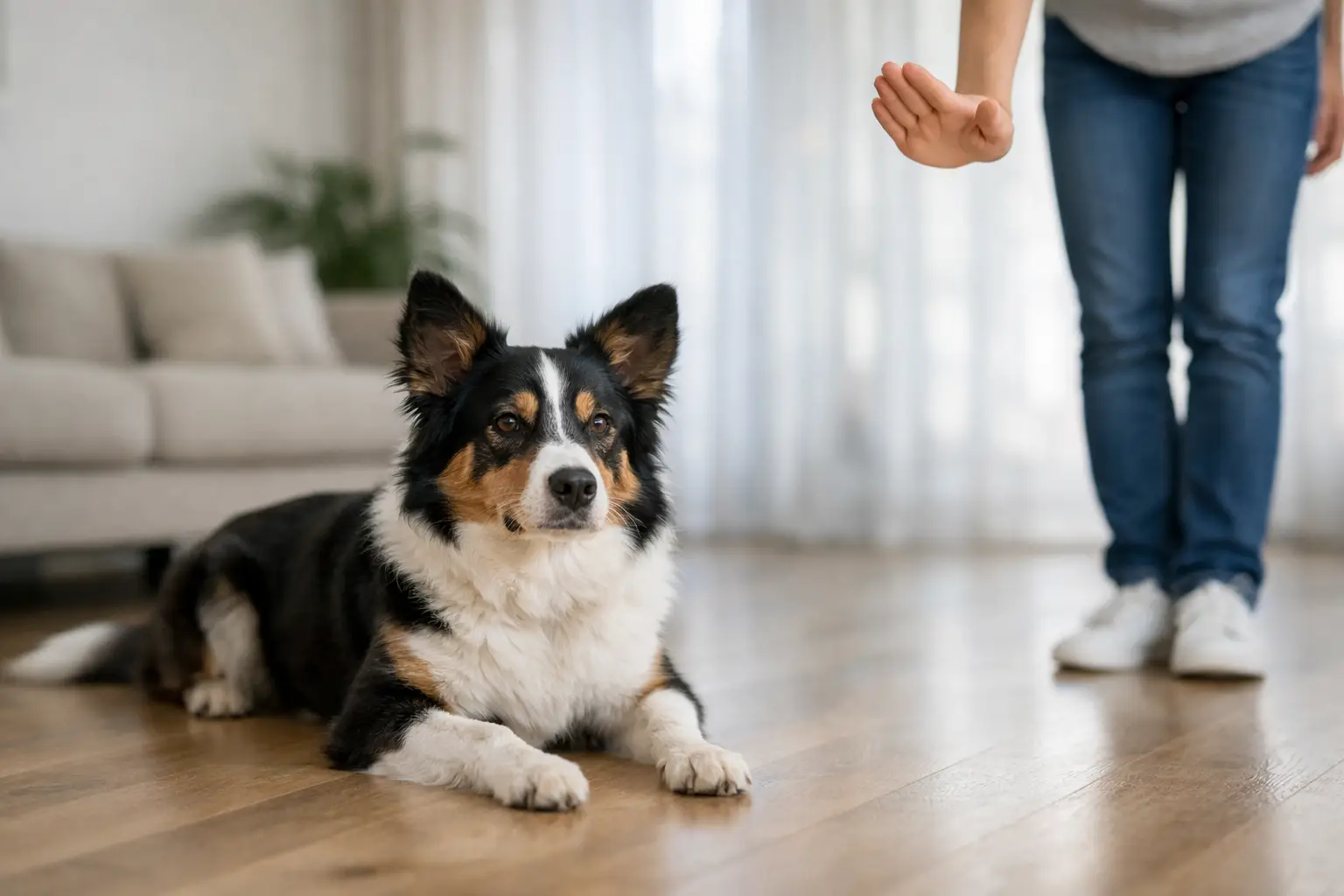
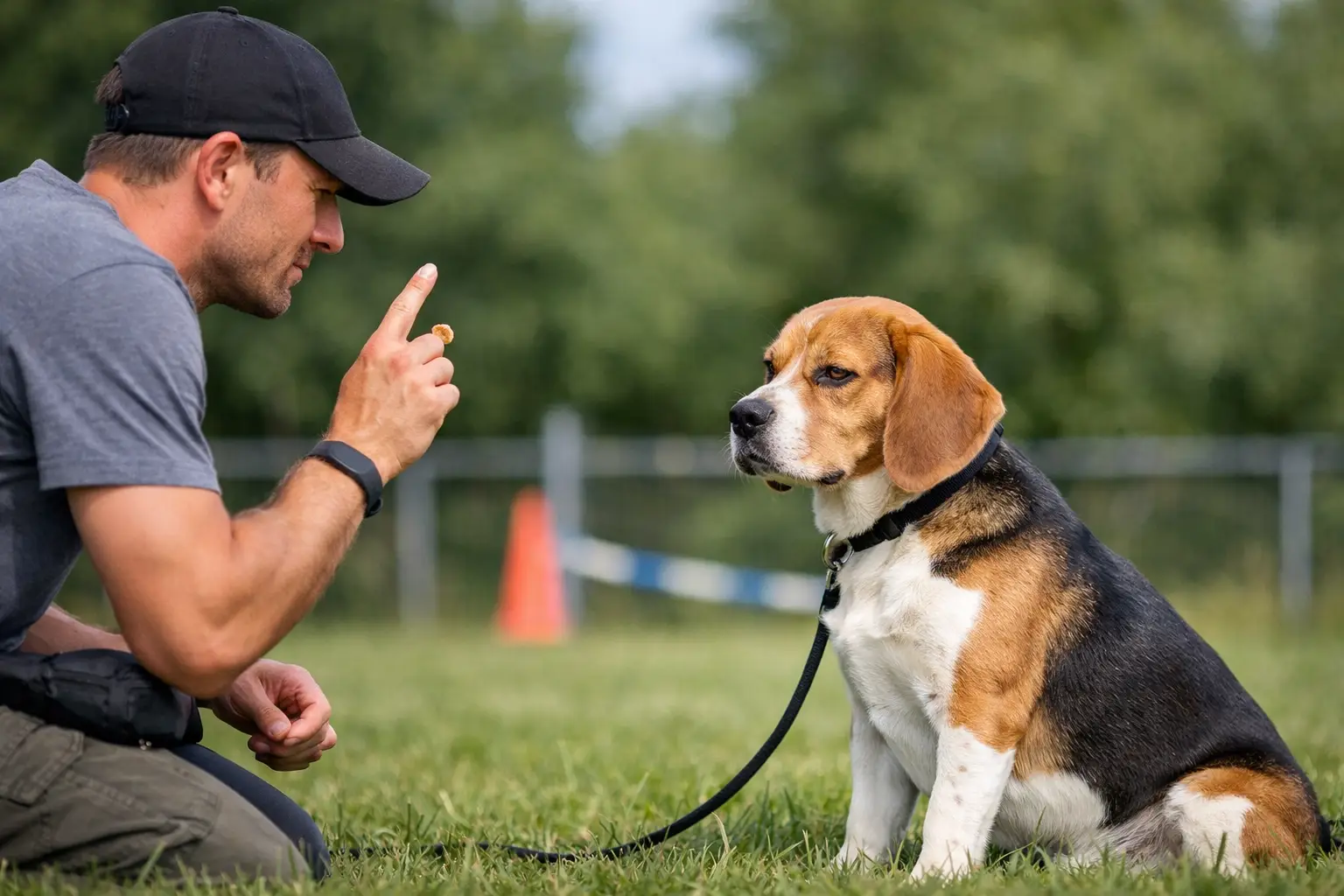
Ask your dog to sit or lie down. Pause for one second, then say your release word and reward your dog. At this point, do not even use the word “stay” if saying it makes you feel rushed to test the dog. You are teaching a simple pattern: hold position, hear the release, earn a reward.
Repeat this several times. Feed the treat while your dog is still in position, not after they stand up. That detail matters. You want your dog to understand that staying put is what earns the reward.
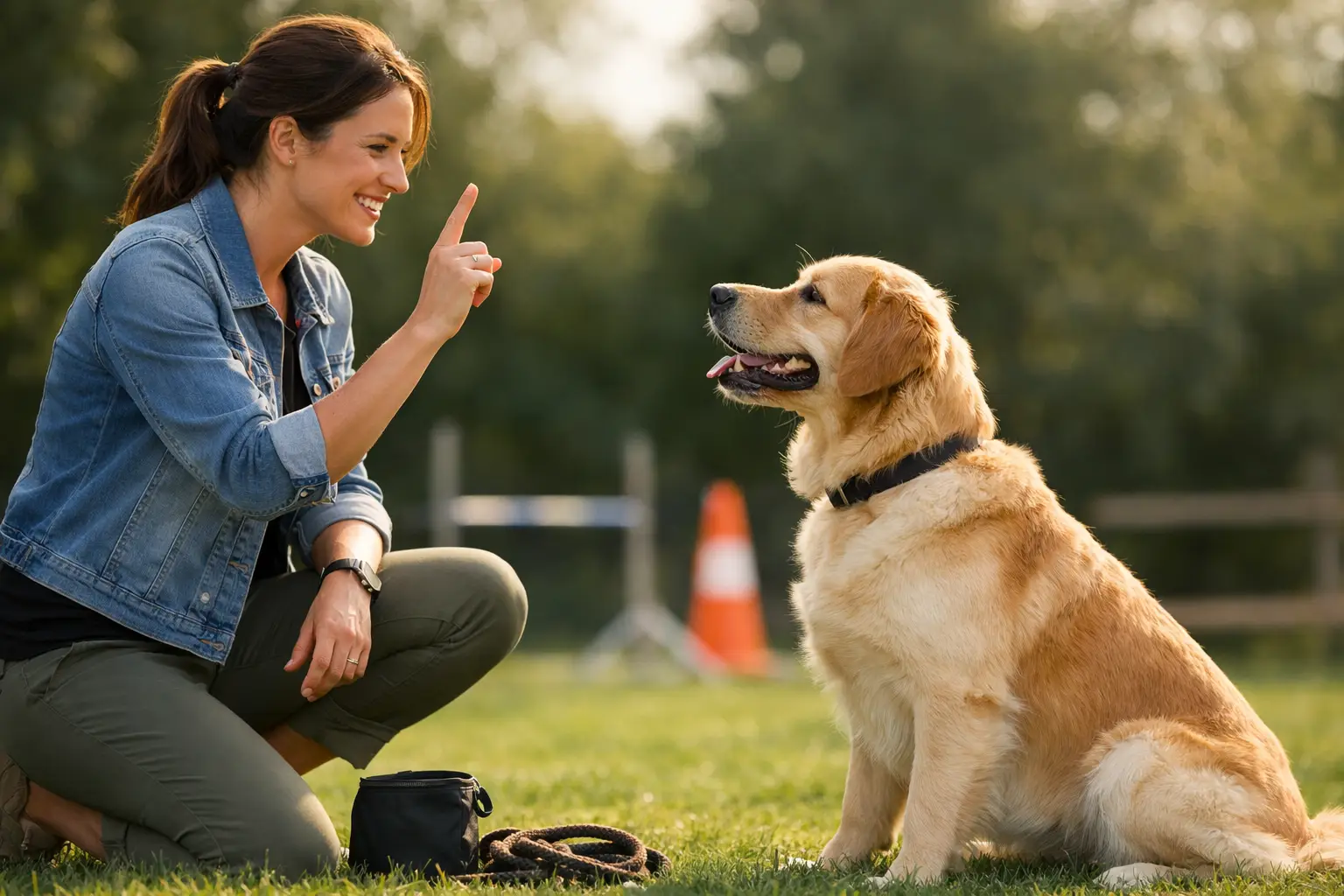
When your dog can wait calmly for a second or two, add your verbal cue. Say “stay” once in a calm voice, pause briefly, then reward while your dog holds position. Release your dog after the reward. The order is important: cue, stay, reward, release.
Build duration before you move away
Increase the time in very small steps. Try two seconds, then three, then five. If your dog succeeds, reward and release. If your dog gets up before the release word, simply guide them back into position and make the next repetition easier.
Avoid repeating “stay, stay, stay.” Say the cue once. Repeating it teaches some dogs that the first cue does not count. A single clear cue, followed by consistent follow-through, creates better listening.
Do not make every repetition harder. Mix in easy wins. For example, after a successful 10-second stay, ask for three seconds next. This keeps your dog engaged and prevents the exercise from feeling like a test they are likely to fail.
Add distance one step at a time
Once your dog can hold position for 10 to 15 seconds while you stand beside them, begin moving. Take one small step backward, return to your dog, reward, and release. Returning before rewarding helps your dog learn that you will come back and that getting up is unnecessary.
Build from one step to two, then three. Do not combine a long stay with a big step away too soon. If you step across the room and your dog follows, that is useful information: the distance was too difficult for their current skill level.
As your dog improves, practice stepping sideways, turning your back briefly, and walking around them. Dogs do not automatically understand that stay means the same thing when your body position changes. Show them through easy, successful repetitions.
Add real-life distractions last
Distractions are where many owners discover that their dog only knows stay in the kitchen. That is normal. Dogs need practice in new places before a skill becomes reliable.
Start with mild distractions. Shift your weight, clap once softly, pick up a toy, or have a family member walk by at a distance. Reward your dog for holding position. If your dog breaks the stay, lower the distraction level and try again.
Then move to the front yard, driveway, or a quiet park. Keep your dog on leash during early outdoor practice so they cannot rehearse running away. The goal is not to prove that your dog can fail around squirrels, children, or other dogs. The goal is to build success gradually until those distractions become manageable.
Use Rewards Without Creating a Bribe
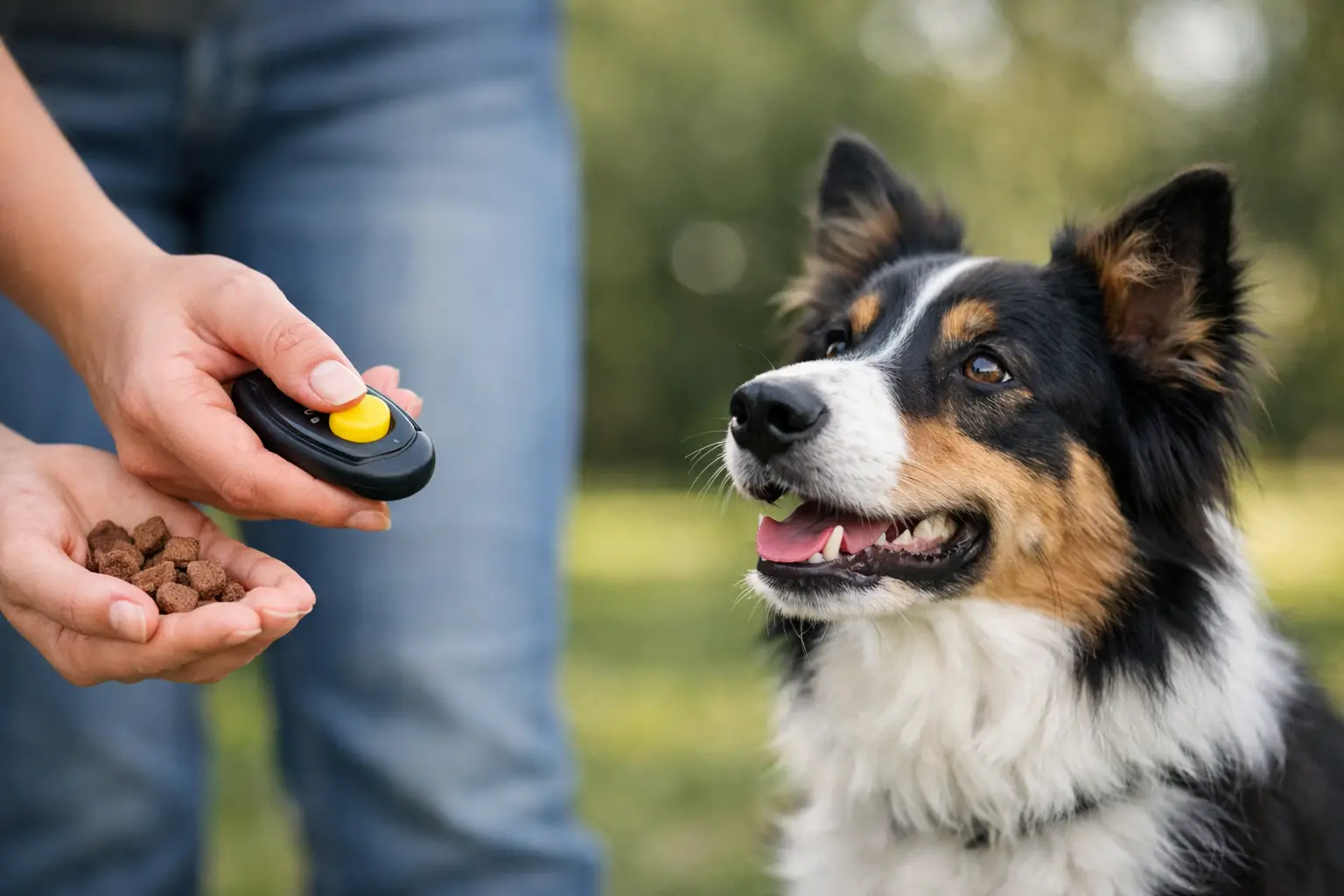
Some owners worry that treats will make their dog dependent on food. Treats are a teaching tool, not a permanent bribe. In the beginning, reward every correct stay because you are building a new habit. As your dog becomes more consistent, vary the rewards.
Sometimes give a treat, sometimes offer praise, and sometimes release your dog to something they want, such as greeting a person or going outside. Real-life rewards are powerful. A dog who learns that staying calmly opens the door, earns attention, or starts a walk will see the command as worthwhile.
Keep rewarding difficult stays, especially in distracting places. Even well-trained dogs benefit from being paid for doing hard work. Reliability does not mean you never reward your dog. It means your dog understands the cue and can succeed even when a treat is not visible.
Common Stay Command Mistakes That Slow Progress
The biggest mistake is asking for too much at once. Duration, distance, and distractions should be trained separately at first. If you ask a puppy to stay for 30 seconds while you walk away and ring the doorbell, you have created three hard challenges at the same time.
Another common mistake is correcting the dog harshly for breaking position. A frustrated “no” or physical correction can make the exercise stressful, especially for a sensitive dog. Instead, calmly reset the dog and reduce the challenge. Training should make it clear how to win.
Owners also accidentally release their dog without a cue. If you always say “good dog” and then the dog gets up, “good dog” may become the release word. Decide exactly what ends the stay, then be consistent. You can praise during the stay, but your dog should remain in position until they hear the release cue.
Finally, avoid practicing only when you need the command. If stay appears only when guests arrive or the front door opens, your dog may become excited before you even give the cue. Practice during calm moments every day so the skill is strong before you need it.
When Your Dog Keeps Breaking the Stay
If your dog repeatedly gets up, look at the last change you made. Did you wait longer, step farther away, train in a busier place, or use a lower-value reward? Go back to the last level where your dog was successful and rebuild from there.
Puppies and high-energy dogs may need more movement and short training breaks before they can concentrate. A dog that has been indoors all day may struggle to hold a stay, while the same dog may do well after a walk or a few minutes of play. It depends on the dog, their age, and what is happening around them.
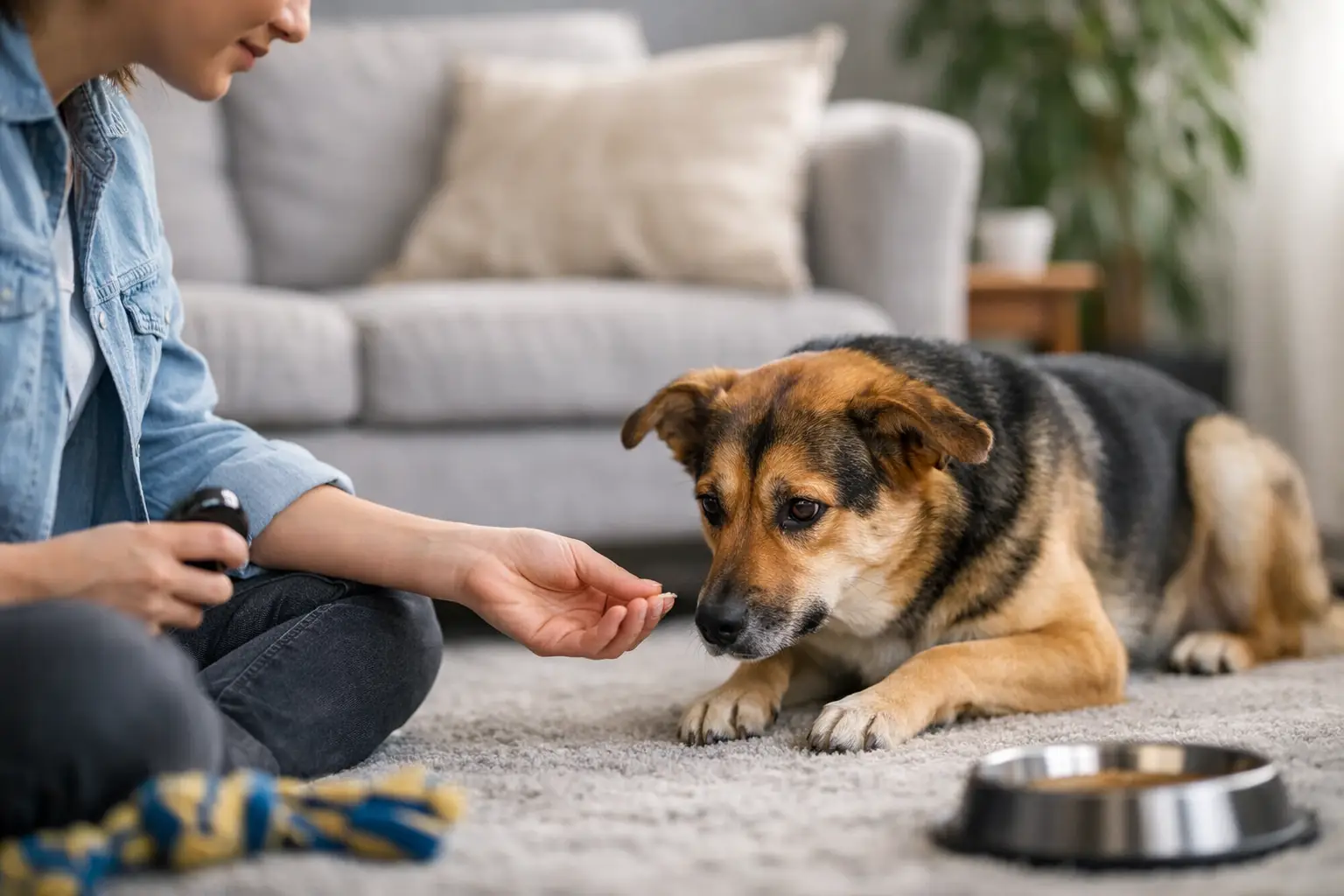
For fearful, reactive, or aggressive dogs, do not use stay to force them to remain close to a trigger they find overwhelming. Create more distance, keep everyone safe, and work below the level where your dog reacts. Obedience works best when your dog can think clearly enough to learn.
A strong stay grows through hundreds of small successes. Practice it before meals, at doorways, while you put on shoes, and when you set down your dog’s bowl. Each short repetition teaches your dog that calm self-control pays off – and that is the kind of obedience that makes everyday life easier.
This guide to training fearful dogs shows you how to build confidence, prevent setbacks, and make calm progress at home, one safe step at a time, daily.



Comment