Helping You Raise a Calm, Happy & Well-Behaved Dog
Dog Trainer or Behaviorist: Which Do You Need?
Sara Michael,
Sharing is caring 😉
Your dog lunges at another dog on a walk, barks for hours when left alone, or ignores you the moment something exciting appears. You know you need help, but should you hire a dog trainer or behaviorist? The answer affects more than your budget. Choosing the right kind of help can mean getting a clear plan that makes daily life safer and calmer instead of spending months on advice that does not fit the problem.
A trainer and a behaviorist may both work with dogs that bark, growl, pull, or panic. But their training, scope of practice, and best use cases can be very different. Start by looking at what your dog is doing, what may be driving it, and how much risk is involved.
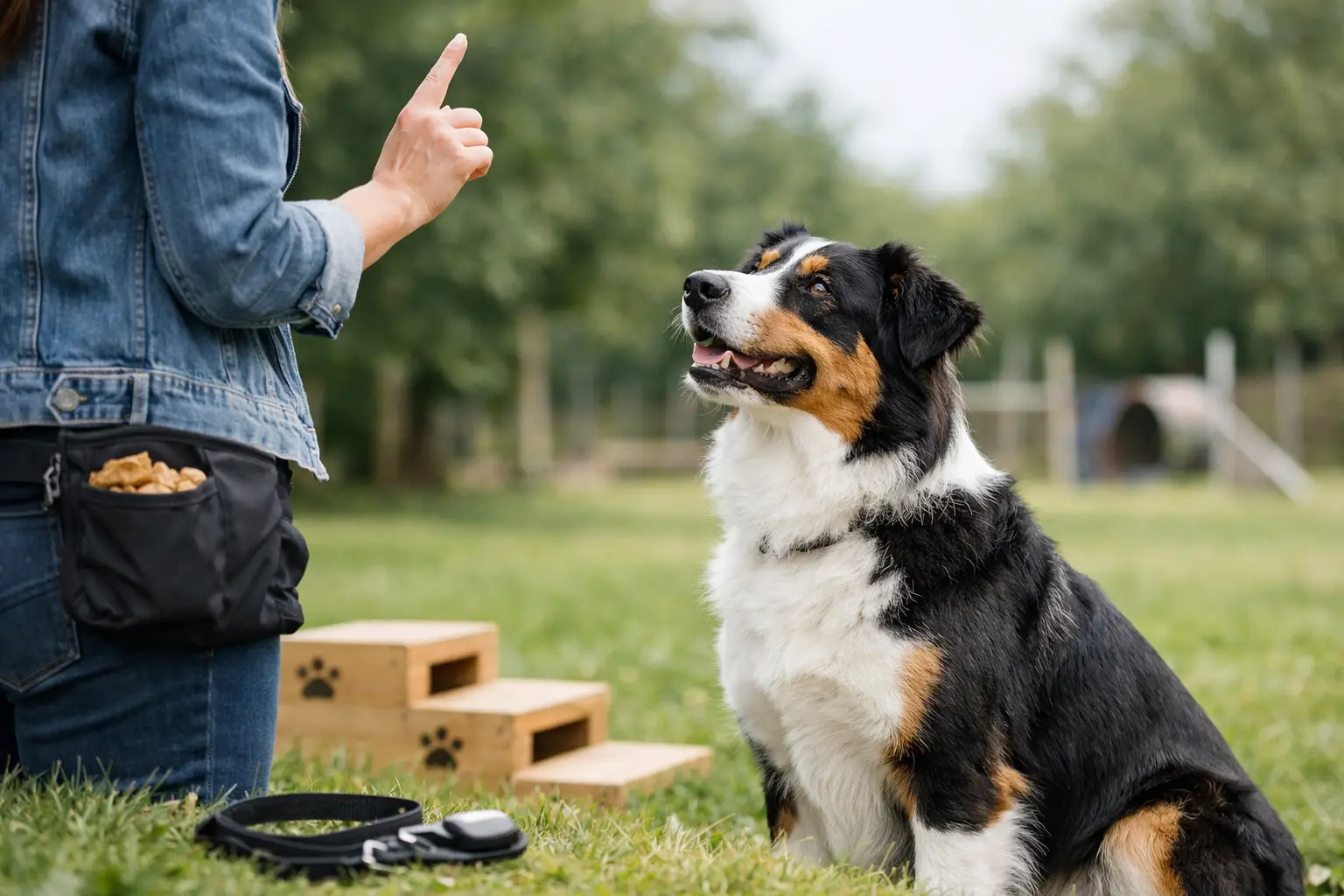
A dog trainer usually helps owners teach practical skills and change everyday habits. That includes house training, leash walking, coming when called, settling on a mat, polite greetings, crate training, puppy manners, and reliable obedience around distractions. Many skilled trainers also help with common behavior problems such as nuisance barking, jumping, chewing, counter surfing, and mild leash reactivity.
A behaviorist focuses more deeply on the emotional reasons behind behavior. Fear, anxiety, compulsive behavior, serious aggression, and panic are not fixed simply by telling a dog to sit more often. A qualified behavior professional assesses triggers, body language, environment, learning history, and possible medical factors. They can create a behavior modification plan designed to change how the dog feels, not only what the dog does.
The word “behaviorist” is used loosely, so ask what the person’s credentials actually are. A veterinary behaviorist is a licensed veterinarian with advanced specialty training in animal behavior. They can diagnose medical contributors and prescribe medication when appropriate. Other highly educated behavior professionals may have advanced degrees and formal credentials but cannot prescribe medication.
The label “dog trainer” is also not regulated in most places. Some trainers have extensive education, coaching experience, and respected certifications. Others have little more than a social media account. Do not choose based on the title alone. Choose based on the person’s education, methods, experience with your specific issue, and willingness to explain a clear plan.
When a Dog Trainer Is the Right Choice
A good trainer is often the best first call when your main goal is better communication and dependable daily manners. Your dog may be friendly but wildly overexcited. Your new puppy may be biting hands, having accidents, and pulling toward every person on the sidewalk. Your adult dog may understand commands in the kitchen but fall apart outdoors.
These problems need structured practice. The dog needs to learn what to do, the owner needs to learn how to reward the right choices, and everyone needs a routine they can repeat. Consistency matters far more than random correction or a new trick every few days.
Work with a trainer if your dog needs help with obedience and habits such as:
Pulling, jumping, barking at the door, and poor recall
Puppy training, socialization, crate training, and house training
Destructive behavior caused by boredom, lack of structure, or unsupervised freedom
Mild frustration or excitement around people and dogs
Building reliable responses around everyday distractions
Even if a behaviorist is involved, training is still part of the solution. A fearful dog may need a behavior plan to address the fear, but he also benefits from learning how to turn toward you, move away calmly, settle, and respond when you guide him. Skills give you practical control while the deeper work progresses.
When You Need a Behaviorist or Veterinary Help
Bring in a qualified behavior professional when the behavior creates a meaningful safety risk, appears driven by fear or panic, or has not improved despite consistent, appropriate training. Do not wait for a bite to become severe before taking it seriously.
Aggression is the clearest example. A dog that growls, snaps, bites, guards food, chases, or attacks should not be treated as a simple obedience project. The behavior may involve fear, pain, resource guarding, territorial behavior, frustration, or a combination of causes. Suppressing the warning signs without changing the underlying issue can make a dog more dangerous, not less.
Separation anxiety is another reason to seek specialized help. A dog that destroys doors, drools excessively, howls continuously, eliminates indoors, or injures himself when alone is not being spiteful. He may be in real distress. The training plan needs careful pacing. Leaving him alone longer to “get used to it” can worsen the problem.
A veterinary behaviorist or your regular veterinarian should also be part of the conversation when behavior changes suddenly. Pain, thyroid conditions, cognitive decline, neurological issues, vision loss, hearing loss, and other health problems can affect behavior. If a normally easygoing dog begins growling when touched or an older dog becomes confused and restless at night, schedule a veterinary exam before assuming it is a training failure.
The Middle Ground: Many Dogs Need Both
The choice is not always dog trainer or behaviorist. For some cases, the strongest plan includes both.
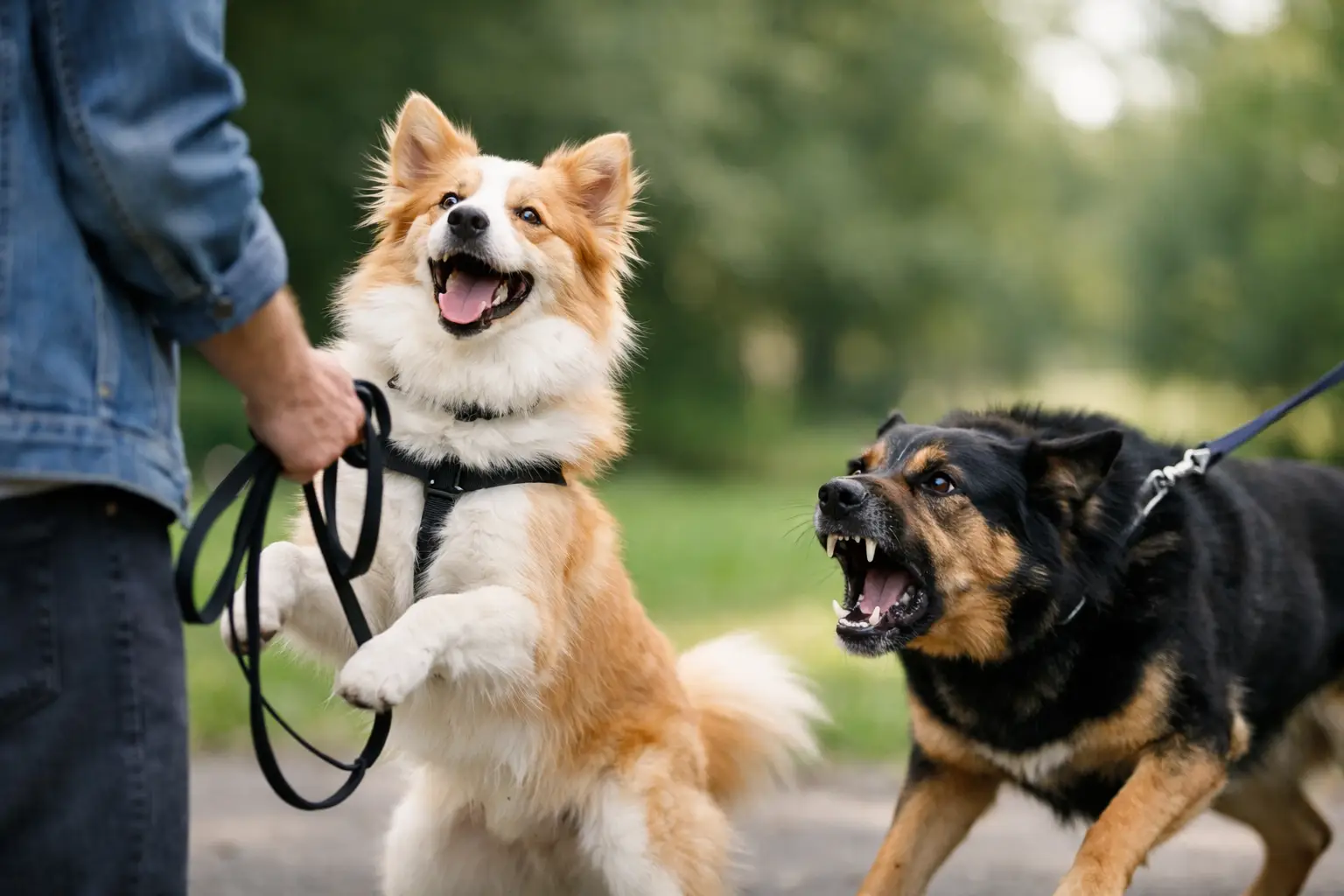
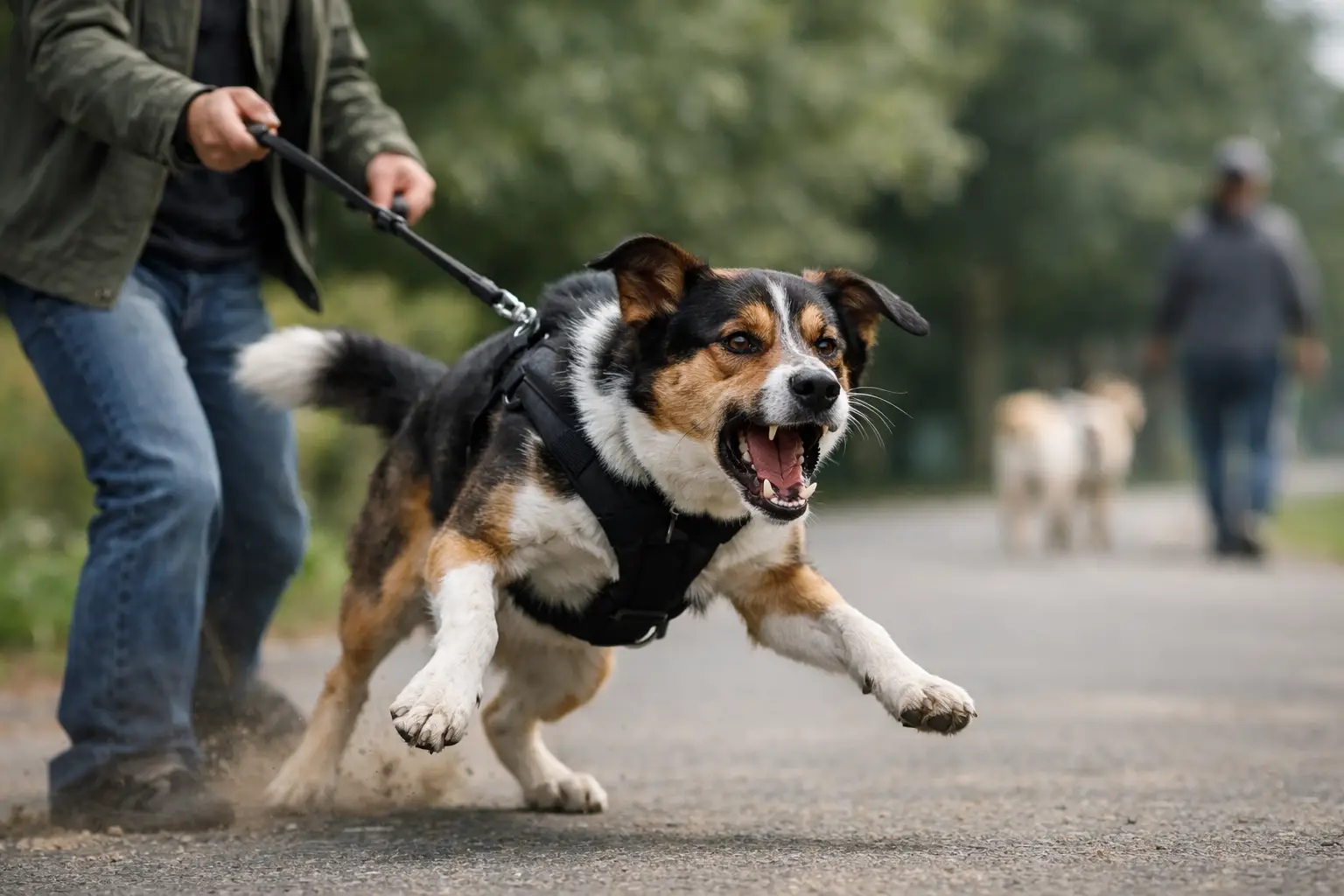
Consider a dog who barks and lunges on walks. If he is frustrated because he wants to greet every dog, a trainer may help you build leash skills, attention, and calm passing behavior. If he is terrified of unfamiliar dogs and reacts from panic, a behavior professional may need to guide the emotional work while a trainer supports the day-to-day handling skills.
The same is true for resource guarding. Management and a carefully designed behavior plan are essential, especially when there are children in the home or a bite history. But the family may also need a trainer to build useful routines: going to a station during meals, trading items safely, coming away from dropped food, and relaxing behind a gate.
What matters is that the professionals work within their expertise. Be cautious if a trainer dismisses serious aggression as a dominance problem that can be fixed with harsher corrections. Be equally cautious if someone offers theory but gives you no practical way to safely manage tomorrow morning’s walk. Good help should make sense on both levels: why the behavior is happening and what you should do next.
How to Choose the Right Professional
Before booking, describe the behavior plainly. Say what happens, how often, where it occurs, who is involved, whether the dog has made contact with teeth, and what you have already tried. Video can be useful when it is safe to capture, but never stage a situation that could trigger a bite or panic episode.
Then ask direct questions. What experience do you have with this problem? What training methods will you use? How will you measure progress? What should we do to prevent rehearsals of the behavior between sessions? Will you refer us to a veterinarian or behaviorist if the case is outside your scope?
Look for a professional who welcomes these questions. They should explain their approach in language you understand, give your dog room to learn, and avoid promising a guaranteed cure by a certain date. Fast progress is possible when the plan is clear and the household follows it, but behavior change is not a magic trick. The more severe and rehearsed the behavior, the more management and repetition it usually requires.
Credentials can help you narrow the field, but they are not the whole decision. Ask about continuing education, observe how the professional handles your dog, and pay attention to whether you leave with specific homework. You should know exactly what to practice, how often to practice it, and what success looks like.
What You Can Start Doing at Home
While you wait for support, stop giving the problem extra chances to happen. This is not avoiding training. It is the foundation of training.
Use baby gates, a leash, a crate when your dog is already comfortable in one, closed doors, and distance from triggers to prevent repeated barking, charging, stealing, or guarding. If your dog reacts to dogs on walks, choose quieter routes and cross the street early. If he guards food, feed him separately and keep people away while he eats. If he has bitten or may bite, do not test him around the situation that caused it.
At the same time, build simple skills away from the problem. Reward your dog for checking in with you, coming when called indoors, settling on a bed, and walking beside you for a few steps. Short sessions done daily create more change than one exhausting hour on the weekend. Keep rewards meaningful, raise difficulty gradually, and end before your dog loses focus.
Most owners do not need more conflicting advice. They need a sequence: manage the behavior, teach the replacement skill, practice it in easy situations, then add distractions one step at a time. That is how reliable obedience becomes useful when life gets busy.
Choosing a dog trainer or behaviorist is not about finding someone to take over your dog. It is about getting the right plan so you can lead your dog with more clarity, safety, and confidence – starting with the next situation you can set up for success.