Helping You Raise a Calm, Happy & Well-Behaved Dog
When Do Dogs Calm Down? A Realistic Timeline
Sara Michael,
Sharing is caring 😉
A puppy who races through the house at 7 p.m., ignores their name outside, and suddenly turns your hands into chew toys can make you ask, when do dogs calm down? The honest answer is that age helps, but waiting is not a training plan. Most dogs become physically and mentally steadier over time. The dogs who become reliably calm, however, are usually the ones taught what calm behavior looks like.
That is good news. You do not have to wait years hoping your dog grows out of barking, jumping, pulling, or destruction. With structure, clear rules, and regular practice, you can start seeing better behavior now.
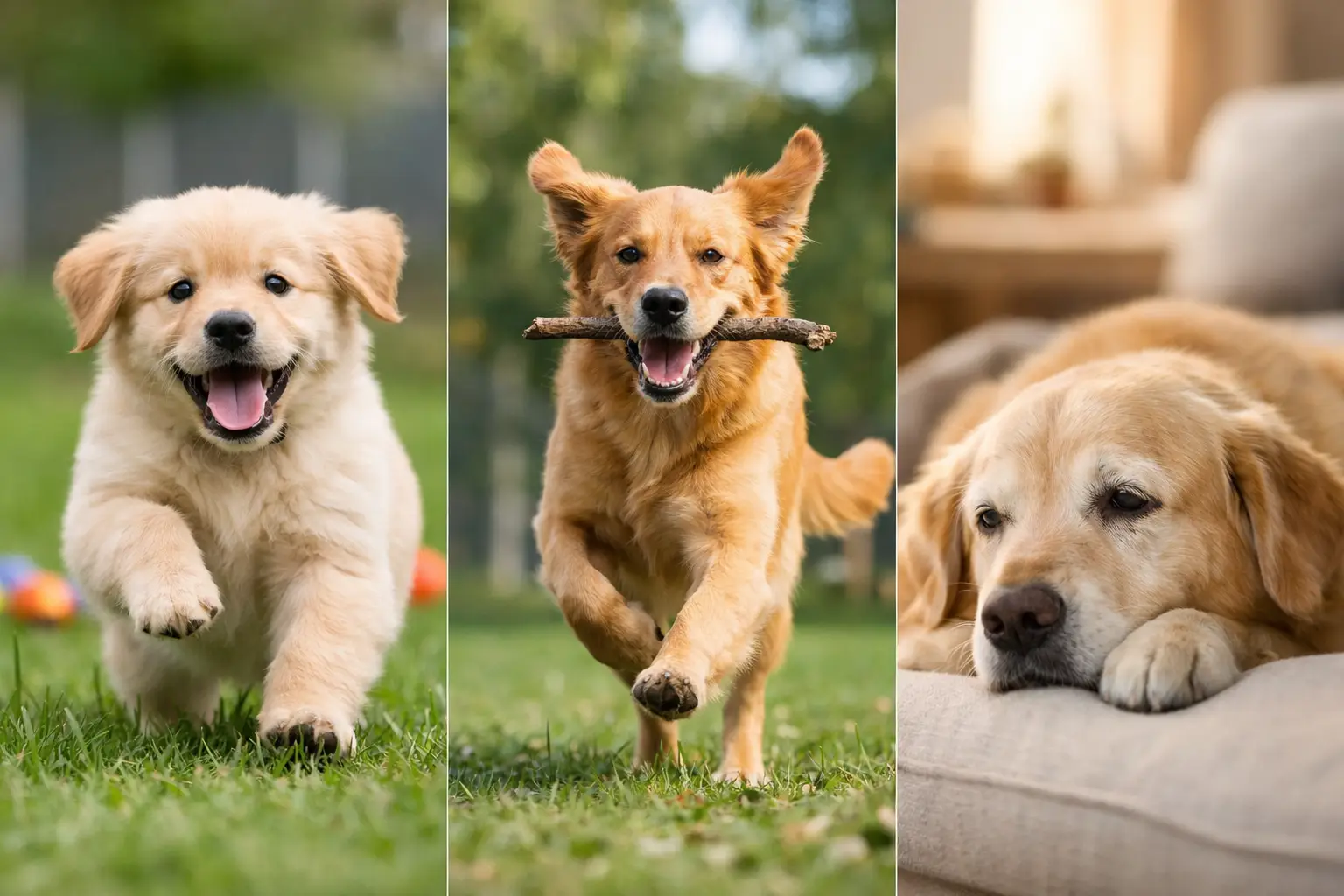
Many dogs begin to lose some of their puppy-level chaos between 12 and 18 months old. For plenty of owners, though, the bigger shift comes closer to age 2 or 3. Large breeds often mature more slowly than small breeds, and high-drive working or sporting breeds may stay energetic well into adulthood.
Age alone does not create a calm dog. A two-year-old dog with unlimited access to excitement, inconsistent boundaries, and no practice settling will often act like an oversized puppy. On the other hand, a young dog who learns impulse control can look noticeably more composed before their first birthday.
Think of maturity as a helpful tailwind, not the engine. It can make training easier, but it does not replace training.
The Stages That Surprise Most Dog Owners
Eight weeks to six months: learning how to live in your home
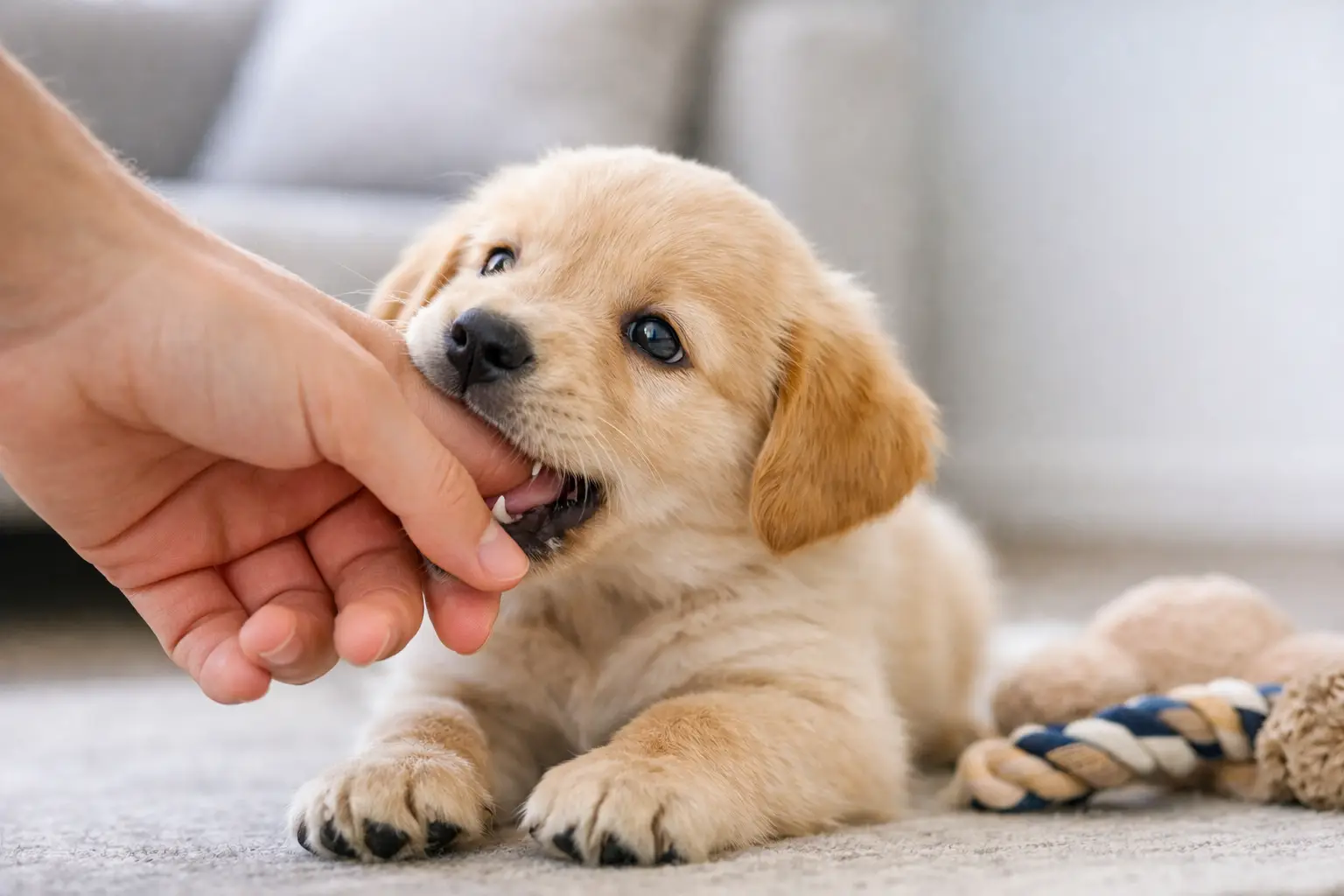
Young puppies have very little self-control. They need frequent naps, potty breaks, chewing outlets, short training sessions, and close supervision. Overtired puppies commonly become wild in the evening. What looks like extra energy is often a puppy who needs sleep.
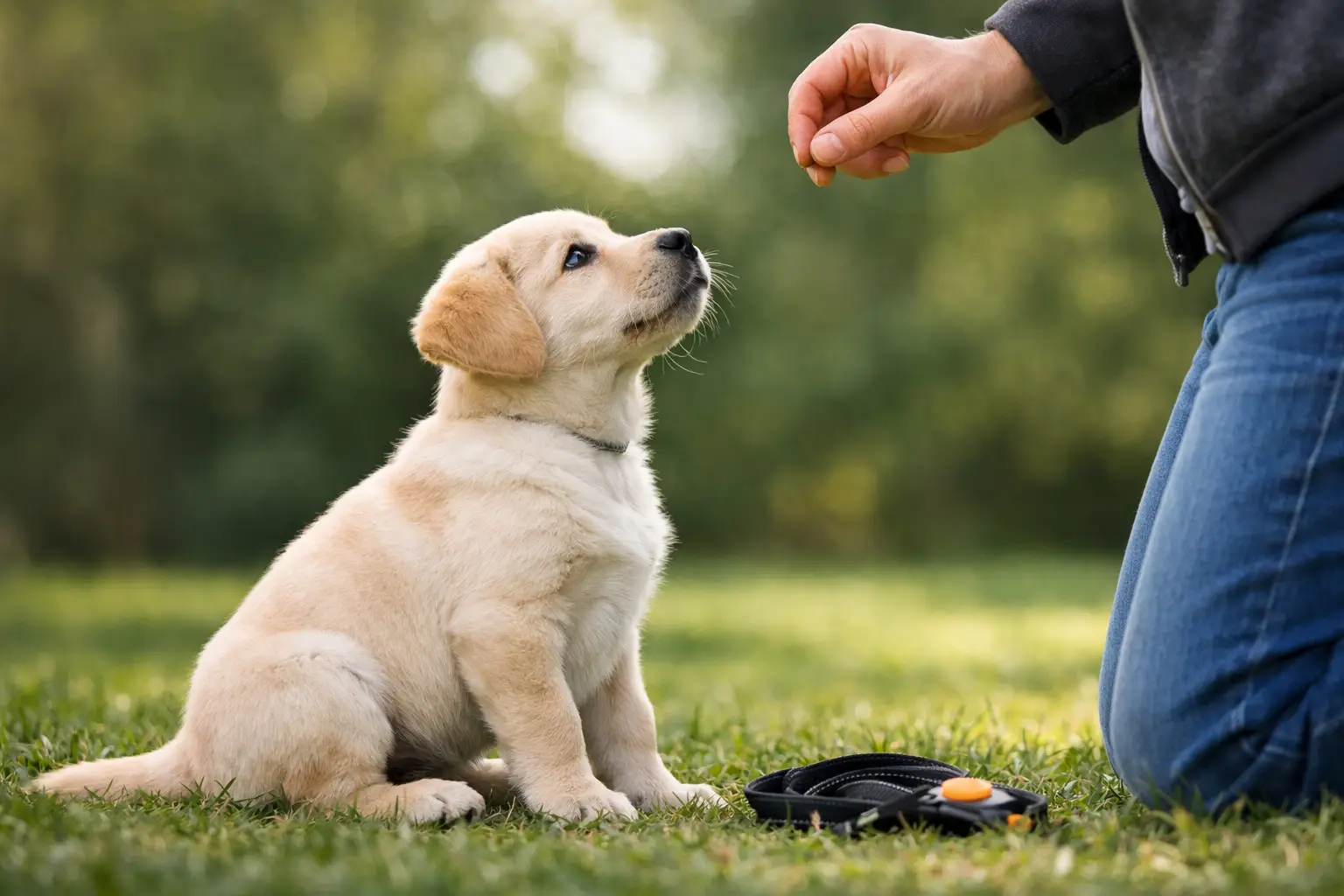
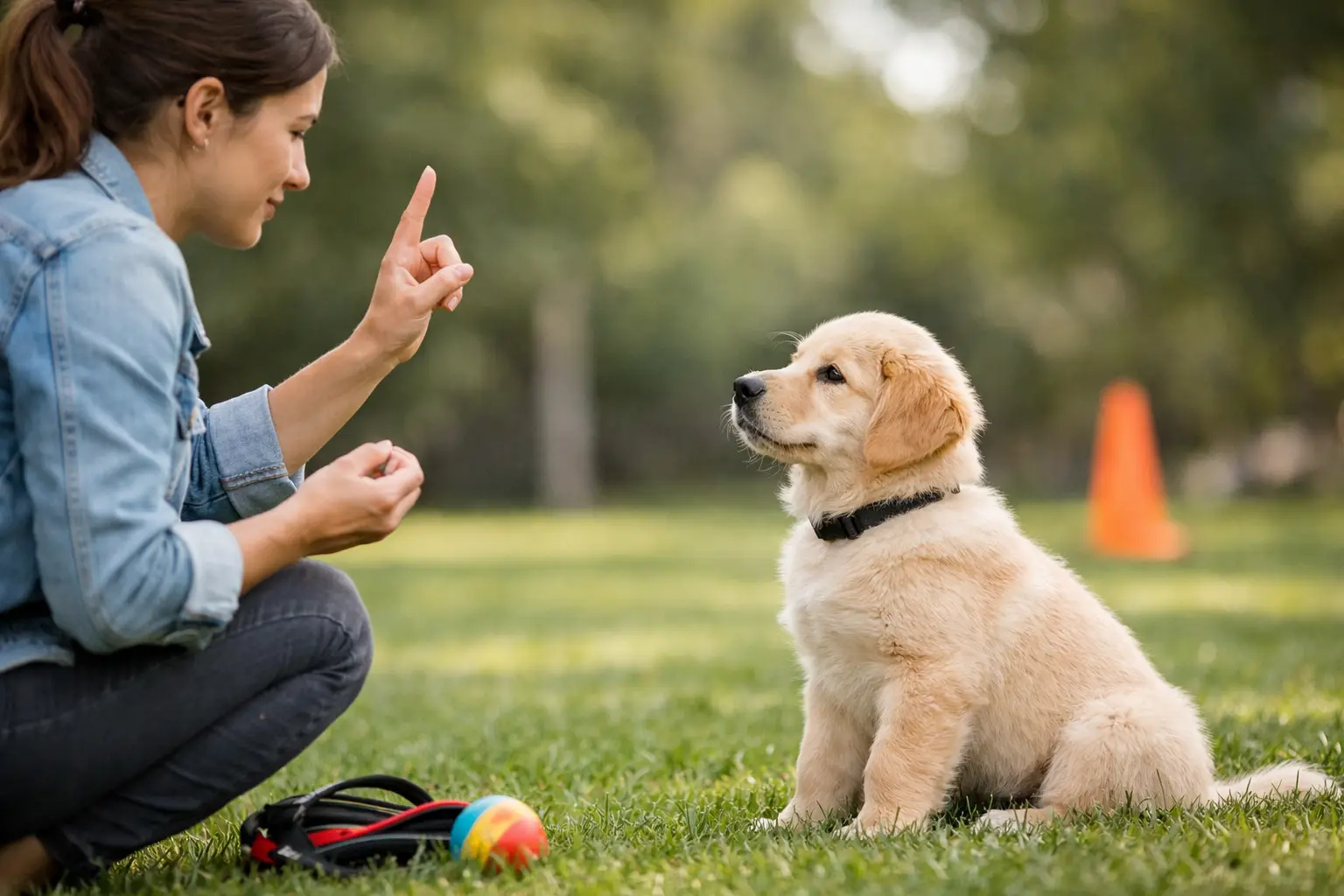
This is the best time to start rewarding calm choices. If your puppy lies down beside you, quietly watches the world, or keeps four paws on the floor when greeting someone, calmly reward it. Do not wait until adolescence to teach good habits.
Six to 18 months: the adolescent phase
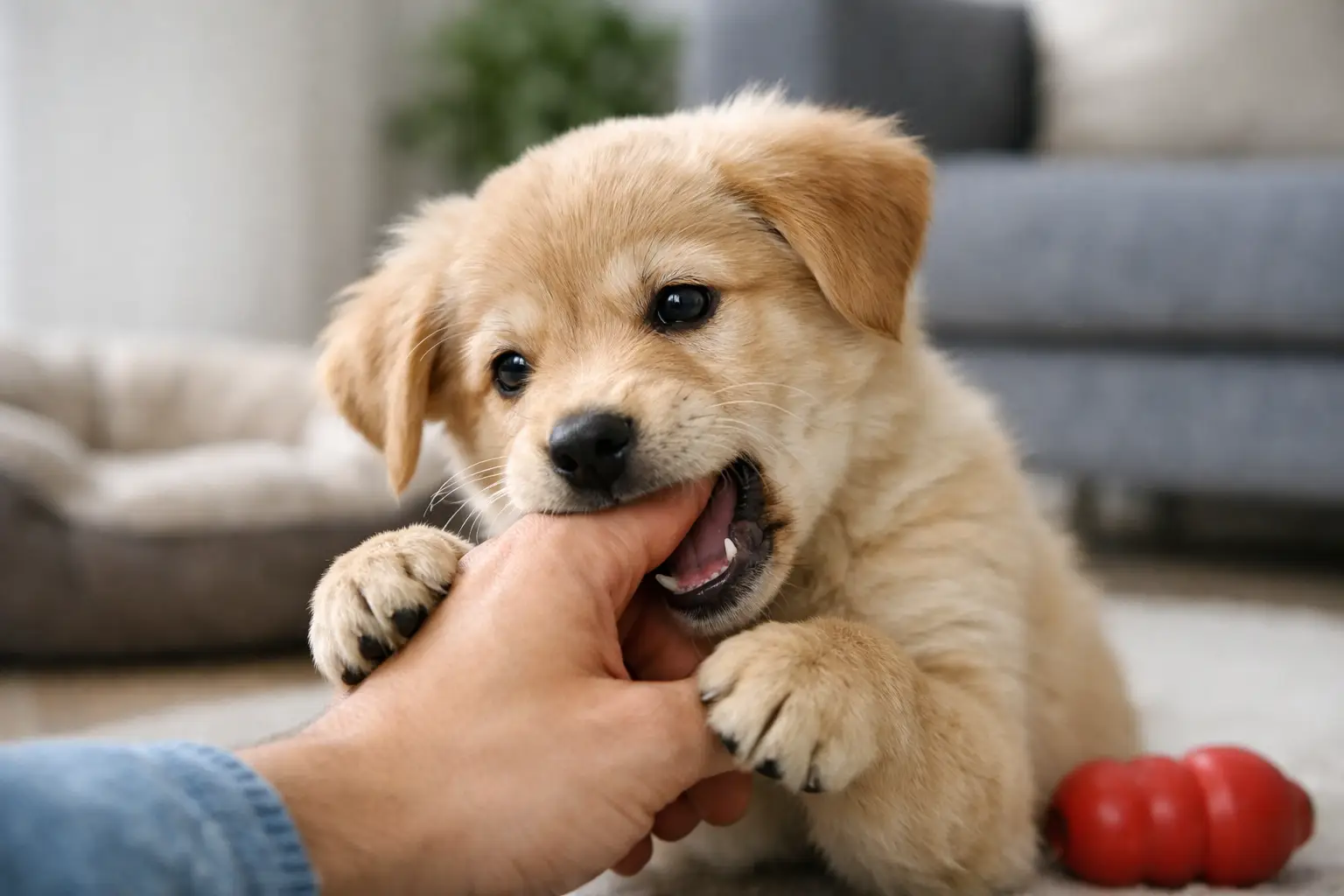
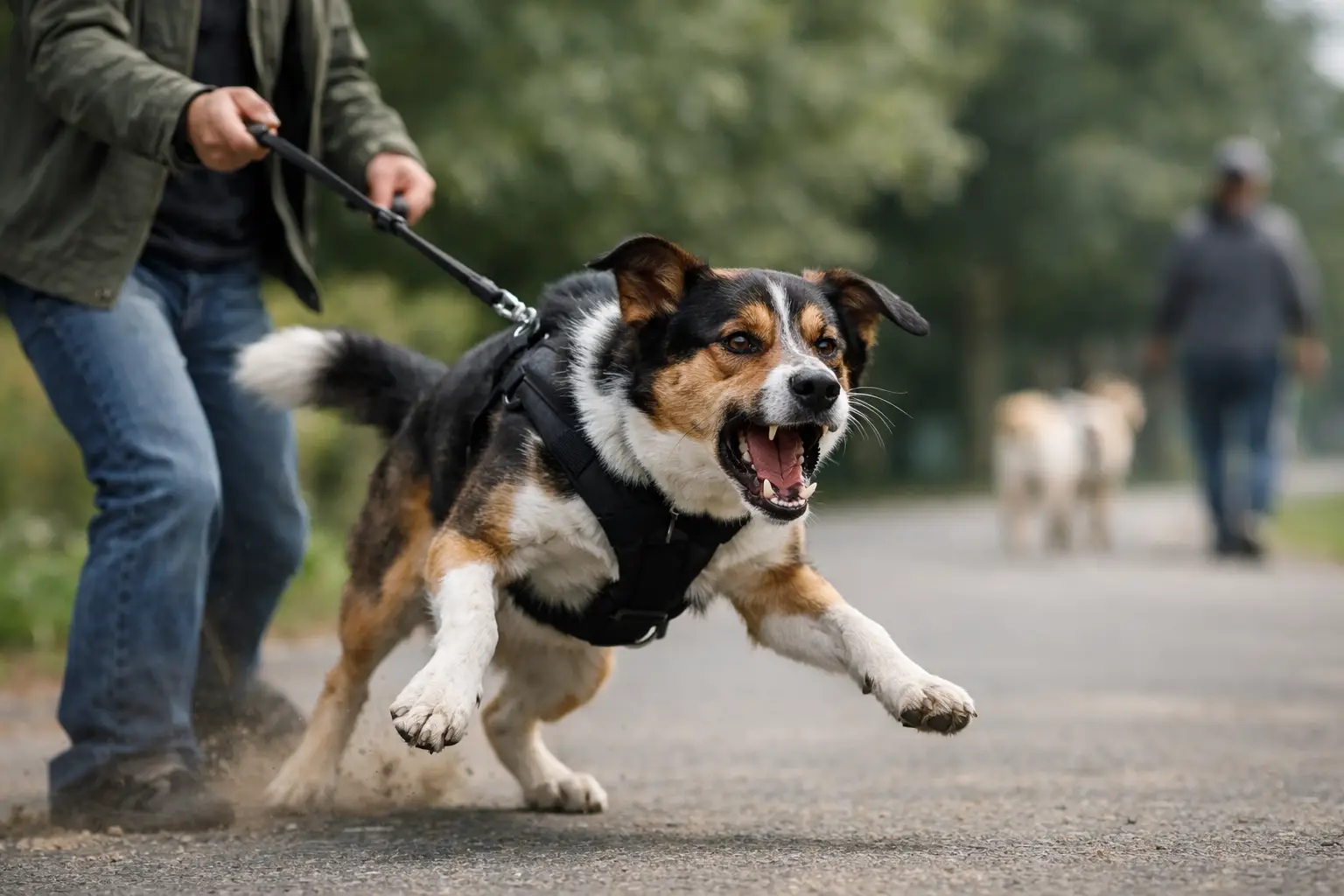
Adolescence is when many owners feel blindsided. Your dog may know a command indoors and suddenly ignore it outside. They may pull harder, bark more at people or dogs, test boundaries, and become distracted by everything moving around them.
This does not mean your training failed. It means you need to become more consistent while your dog is developing. Keep sessions short, use rewards your dog cares about, and stop giving freedom your dog has not earned. If coming when called is unreliable, do not let your adolescent dog drag a long line across an open field and rehearse ignoring you.
Eighteen months to three years: adult energy with adult strength
Many dogs settle during this period, but this is also when unaddressed behavior problems become more established. A dog who has practiced lunging at the window every day for two years is not likely to stop because they had a birthday.
The upside is that adult dogs can learn very well. Their attention span is often better, their physical needs are more predictable, and owners can build a dependable routine. Whether your dog is 10 months or 10 years old, clear training can change the pattern.
Why Some Dogs Never Seem to Settle
A dog can have plenty of exercise and still be unable to relax. That is because calmness is not simply tiredness. A long walk may drain physical energy, but it does not automatically teach a dog to handle frustration, greetings, visitors, noises, or boredom.
Some owners accidentally create a dog who needs constant entertainment. Every burst of energy gets answered with fetch, chasing, rough play, or attention. The dog learns that being loud and demanding starts the fun. Then, when the activity ends, the dog has no skill for switching off.
Other dogs are under-stimulated in a different way. They need purposeful work, not just more miles. Obedience drills, leash practice, scent games, place training, and controlled exposure to everyday distractions give a dog something useful to do with their brain.
Genetics also matter. A young Labrador, Border Collie, Belgian Malinois, terrier, or husky may have more intensity than a low-energy companion breed. That does not make the dog impossible or mean they need hours of frantic exercise. It means their training and routine need to match the dog in front of you.
How to Help Your Dog Calm Down Faster
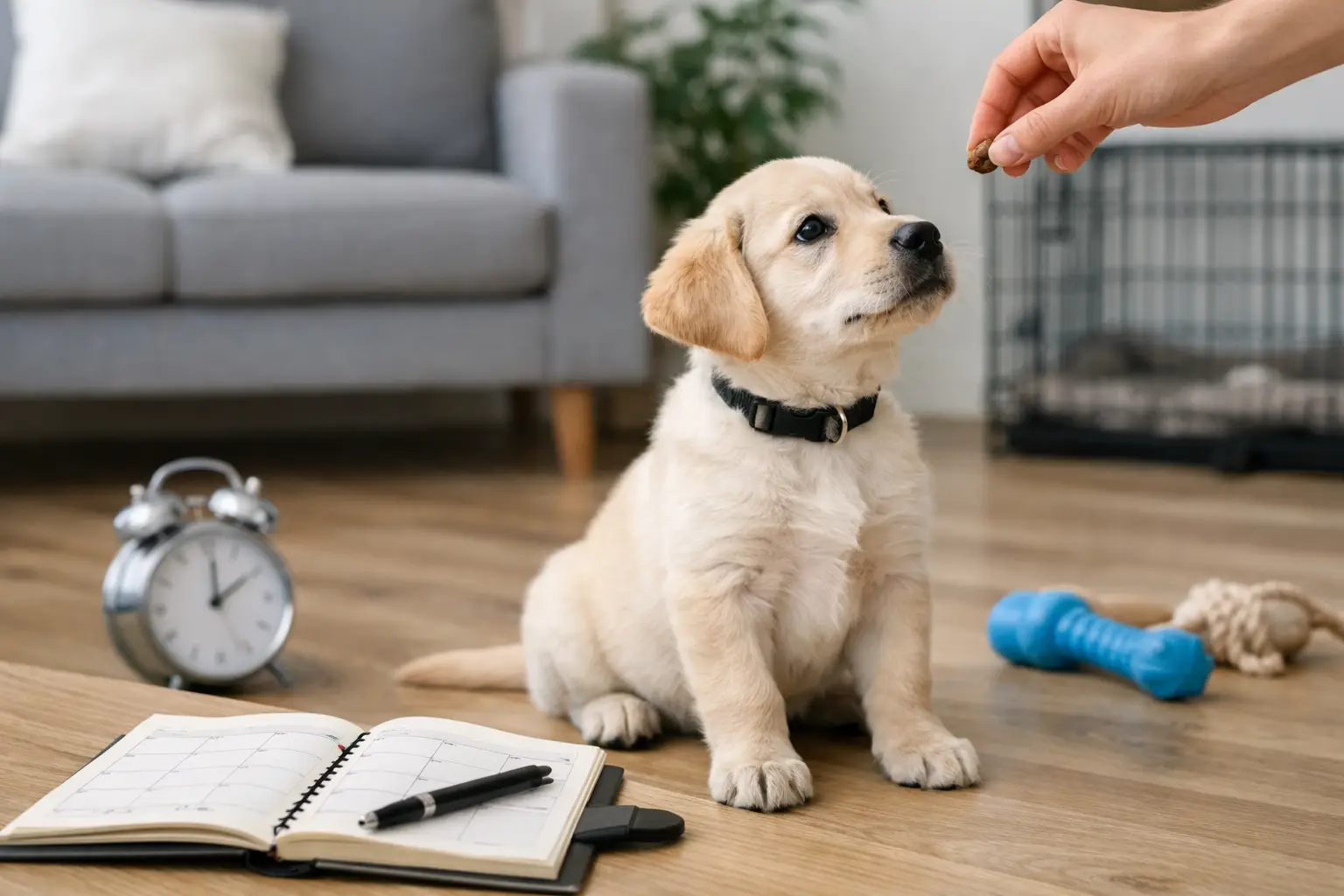
Start by giving your dog a predictable daily rhythm. Meals, walks, potty breaks, training, rest, and family activity do not need to happen at the exact minute every day, but they should follow a pattern. Dogs settle more easily when they are not constantly guessing what happens next.
Next, teach a clear settle behavior. A bed, mat, or raised place can become your dog’s designated off-switch. Lead your dog to it, reward them for stepping on it, then reward calm standing, sitting, and lying down. Build duration slowly. At first, a few seconds of quiet is a win. Over time, practice while you cook dinner, answer emails, or watch television.
Do not release your dog the moment they become restless. Wait for a brief moment of calm, then release. This simple detail teaches that calm behavior makes good things happen.
Your dog also needs obedience that works around distractions. A sit in the kitchen is useful, but a sit when the doorbell rings is more valuable. Practice commands in gradually harder settings: the backyard, the front yard, a quiet sidewalk, then busier environments. Increase difficulty in small steps so your dog can succeed instead of repeatedly blowing you off.
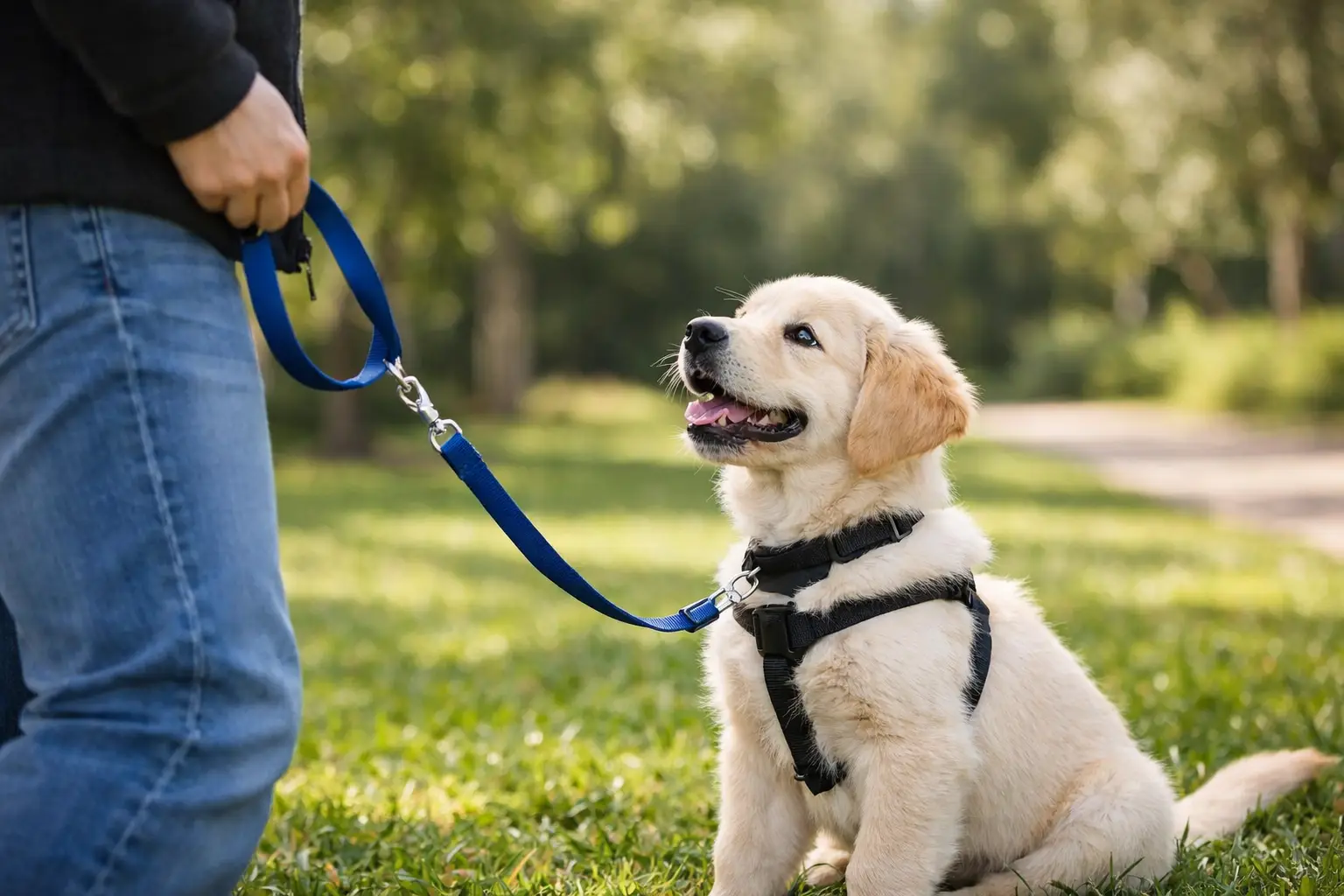
Use exercise strategically. A walk with loose-leash practice, pauses, direction changes, and a few obedience reps is more productive than letting your dog pull for 45 minutes. Play can be part of the day, but avoid turning every outing into a high-arousal event. For many excitable dogs, endless ball throwing creates an athlete who is fitter but no calmer.
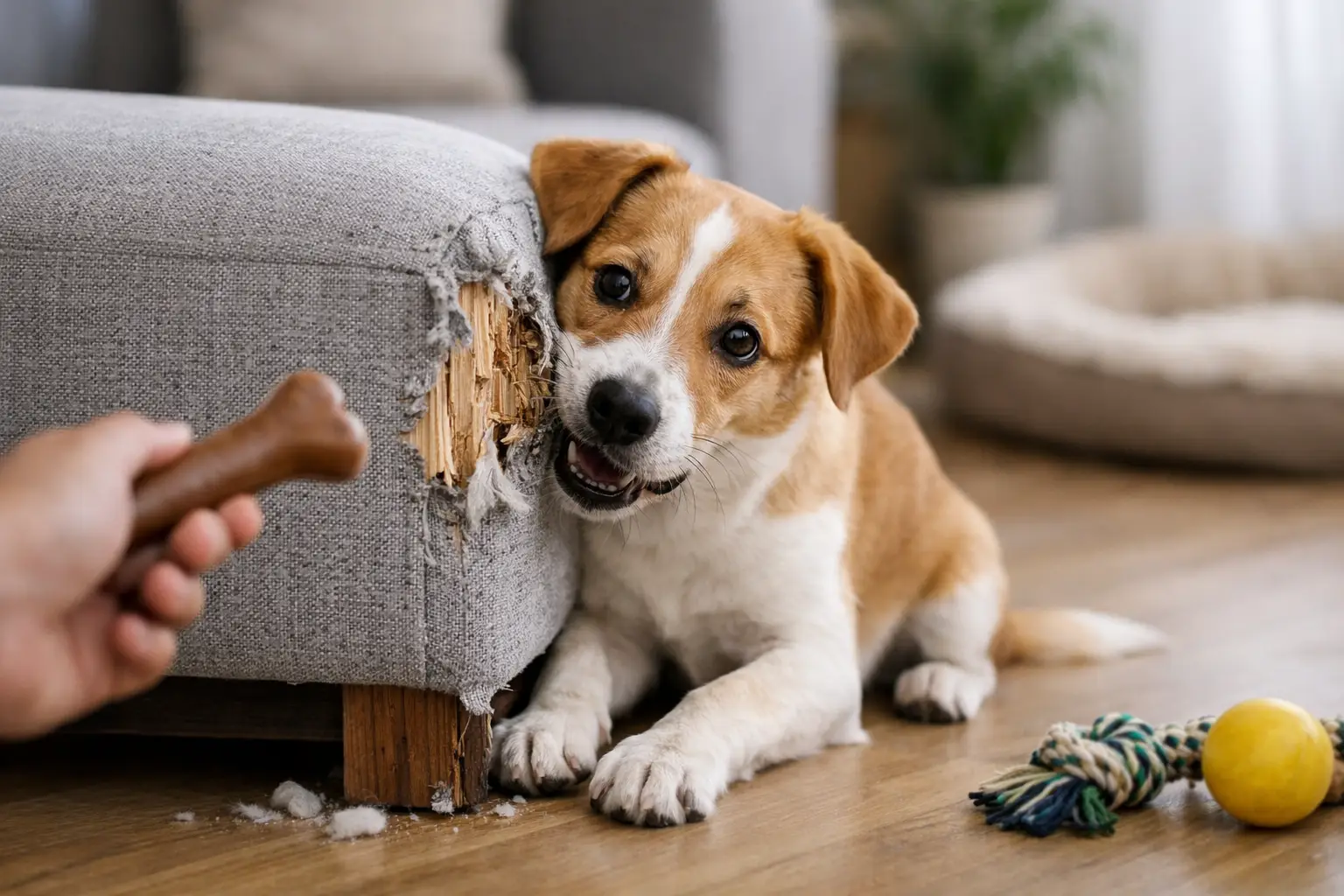
Finally, manage the behavior you do not want. Close the blinds if your dog spends all day barking at passersby. Use a leash or baby gate when visitors arrive if jumping is a problem. Put chewable items away if your dog steals them. Management is not giving up. It prevents bad habits from getting stronger while you teach the replacement behavior.
Calm Does Not Mean Shut Down
A calm dog should still look comfortable, curious, and able to enjoy life. The goal is not a dog who never plays, barks, or gets excited. The goal is a dog who can return to a neutral state, listen when asked, and handle normal life without chaos.
Be careful about labeling fear as calmness. A dog who freezes, avoids eye contact, tucks their tail, or will not take food may be overwhelmed, not well-behaved. Likewise, sudden restlessness, pacing, irritability, or inability to sleep can have a medical cause. If your dog’s behavior changes quickly or seems unusual, talk with your veterinarian before assuming it is a training issue.
A Better Question Than “When Will This End?”
Instead of waiting for a certain age, ask: what does my dog do when they want something? Do they bark, jump, pull, mouth, or demand attention? Then ask what you want them to do instead. Sit quietly. Go to their place. Walk beside you. Look at you. Settle on a bed.
That is where progress starts. Every time you reward the better choice and prevent the old habit from paying off, you are building the adult dog you want to live with.
Your dog may mature with time, but you can give that maturity direction. Start with one calm behavior today, practice it consistently, and let the small wins become your new normal.
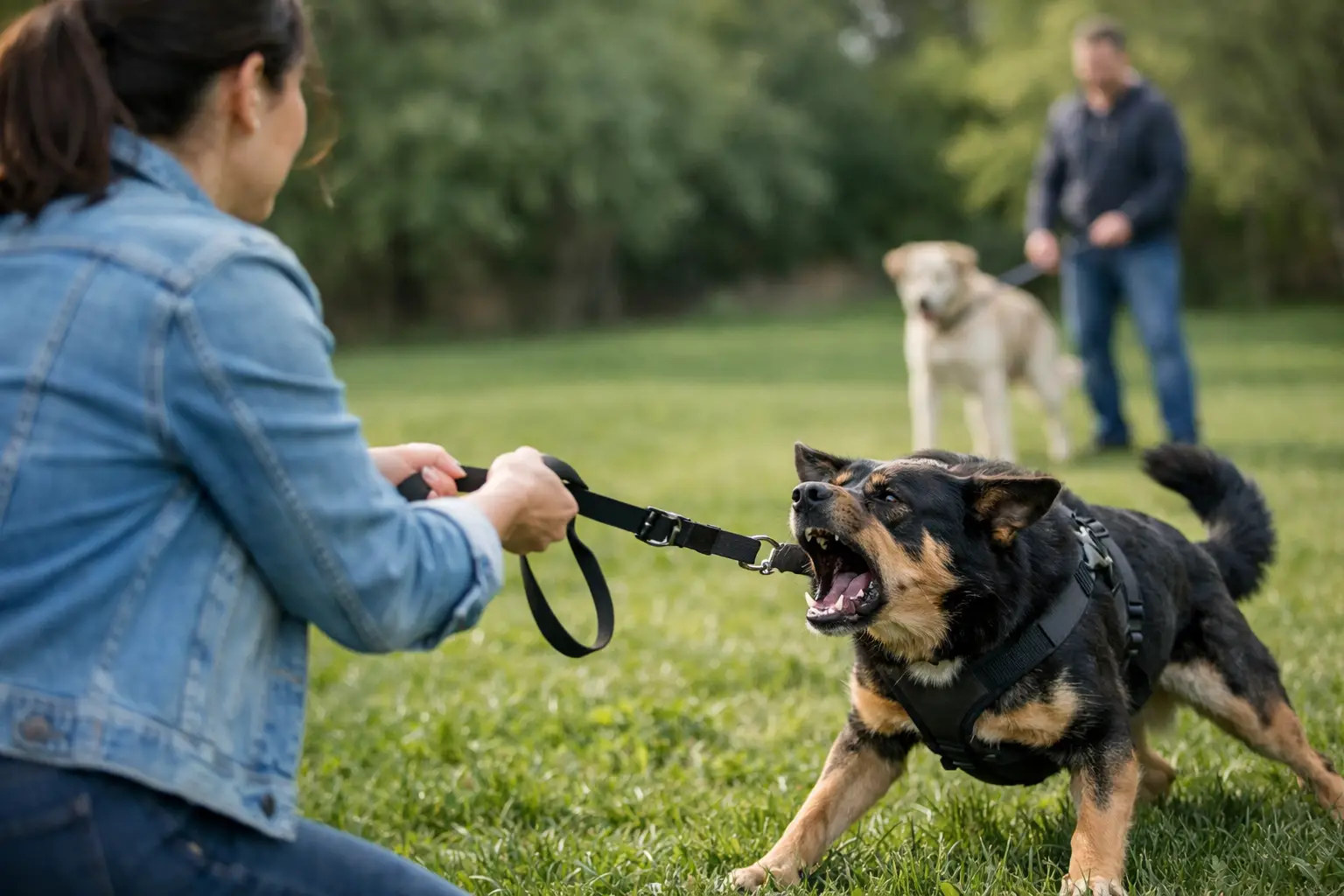
Why is my dog leash reactive? Learn what triggers the barking and lunging, how to manage walks, and the training steps that build calmer responses outside