Helping You Raise a Calm, Happy & Well-Behaved Dog
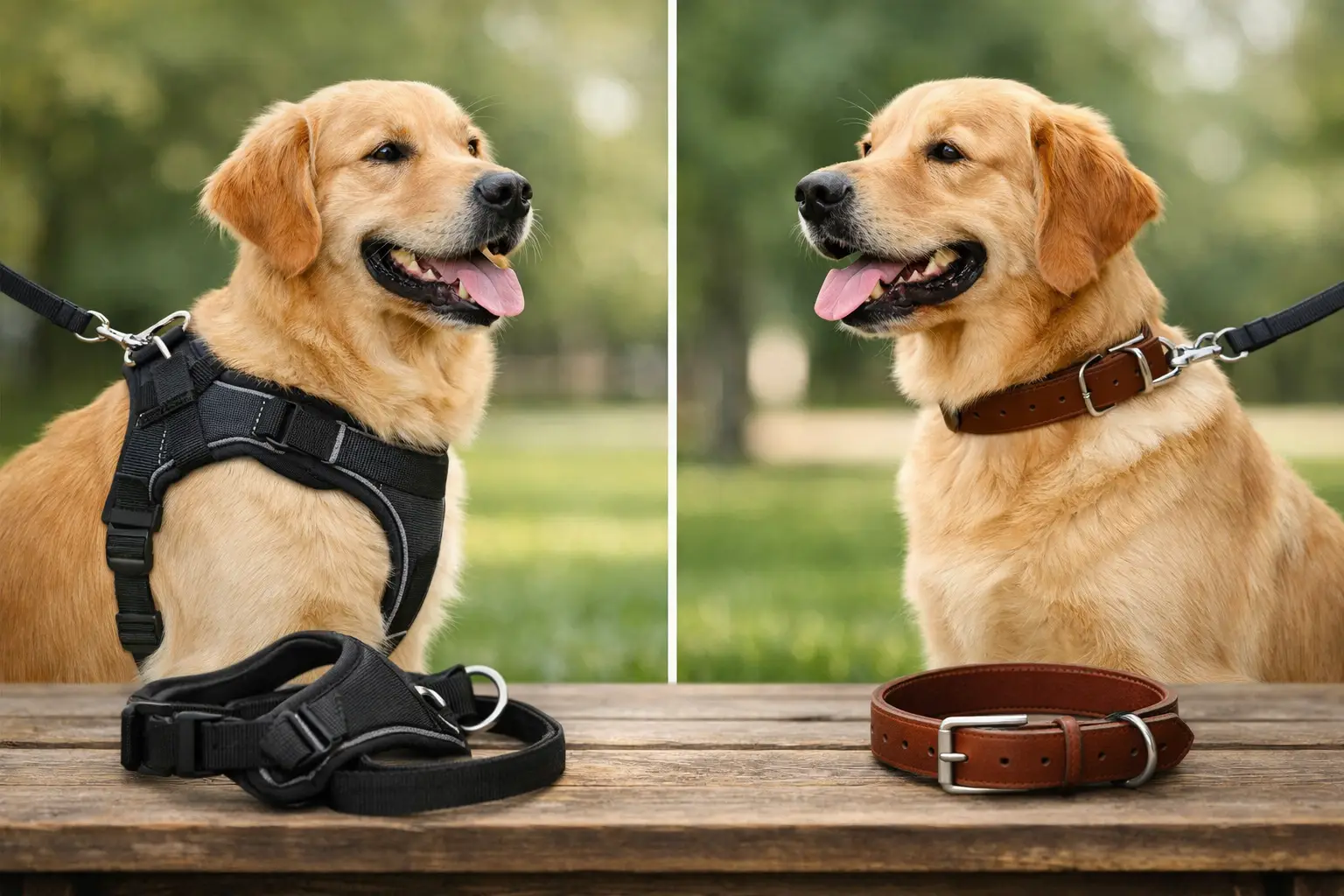
Harness vs Collar for Training Your Dog
Sara Michael,
Sharing is caring 😉
Your dog hits the end of the leash, coughs, twists, pulls harder, and suddenly a simple walk feels like a fight. That is usually when people start asking about harness vs collar for training. And the honest answer is not that one tool is always right. It is that the right tool depends on what you are trying to teach, what your dog does under pressure, and whether the gear is helping communication or just helping you survive the walk.
If you want faster progress, start here: training matters more than equipment, but equipment still matters. The wrong setup can make pulling, frustration, and bad habits worse. The right one can make your training clearer and safer from day one.
Harness vs collar for training: what changes in real life
A collar gives you a very direct point of contact. That can be useful for communication, especially with dogs that are already calm, responsive, and not trying to drag you down the sidewalk. It is simple, familiar, and practical for everyday wear, tags, and short outings.
A harness spreads pressure across the body instead of the neck. For many dogs, that makes walks safer and more comfortable, especially if they pull, lunge, choke themselves, or have small airways. If your dog turns every outing into a sled race, a harness often gives you better physical control without putting stress on the throat.
That said, comfort and control are not the same as training. A harness can make management easier, but some dogs learn they can lean into it and pull with their whole body. A collar can give clearer feedback, but on a strong or overexcited dog it can also create more tension, more coughing, and more chaos. So the question is not just which tool is better. It is which tool helps your dog learn the behavior you actually want.
When a collar works well for training
A flat collar works best when the dog is not a heavy puller and you are building basic leash skills, obedience, and responsiveness. If your dog can stay under control enough to notice your guidance, a collar can be a clean, simple option.
This is often true for puppies in low-distraction settings, adult dogs with a decent training foundation, or dogs that are walking politely most of the time and just need consistency. With those dogs, the collar is not doing the training by itself. It is just one part of a system where the dog learns to pay attention, slow down, follow leash pressure, and make better choices.
The big advantage is clarity. There is less material shifting around the body, less room for the dog to brace, and less confusion about where the pressure is coming from. For some owners, that means cleaner leash work.
But there is a limit. If your dog is constantly lunging, hacking, spinning, or hitting the leash hard, a collar is usually not the best starting point. You do not fix a pulling problem by giving a determined dog more chances to strain their neck.
When a harness is the better choice
A harness is often the better call for dogs that pull hard, have respiratory concerns, are small-breed dogs, or get overaroused on walks. It is also a smart option for owners who need more physical control while they work on the actual training.
For beginners, this matters. If walks already feel stressful, you need equipment that helps you stay calm and consistent. A harness can reduce the panic of feeling like your dog is choking or slipping out of your hands. That alone can help owners train better.
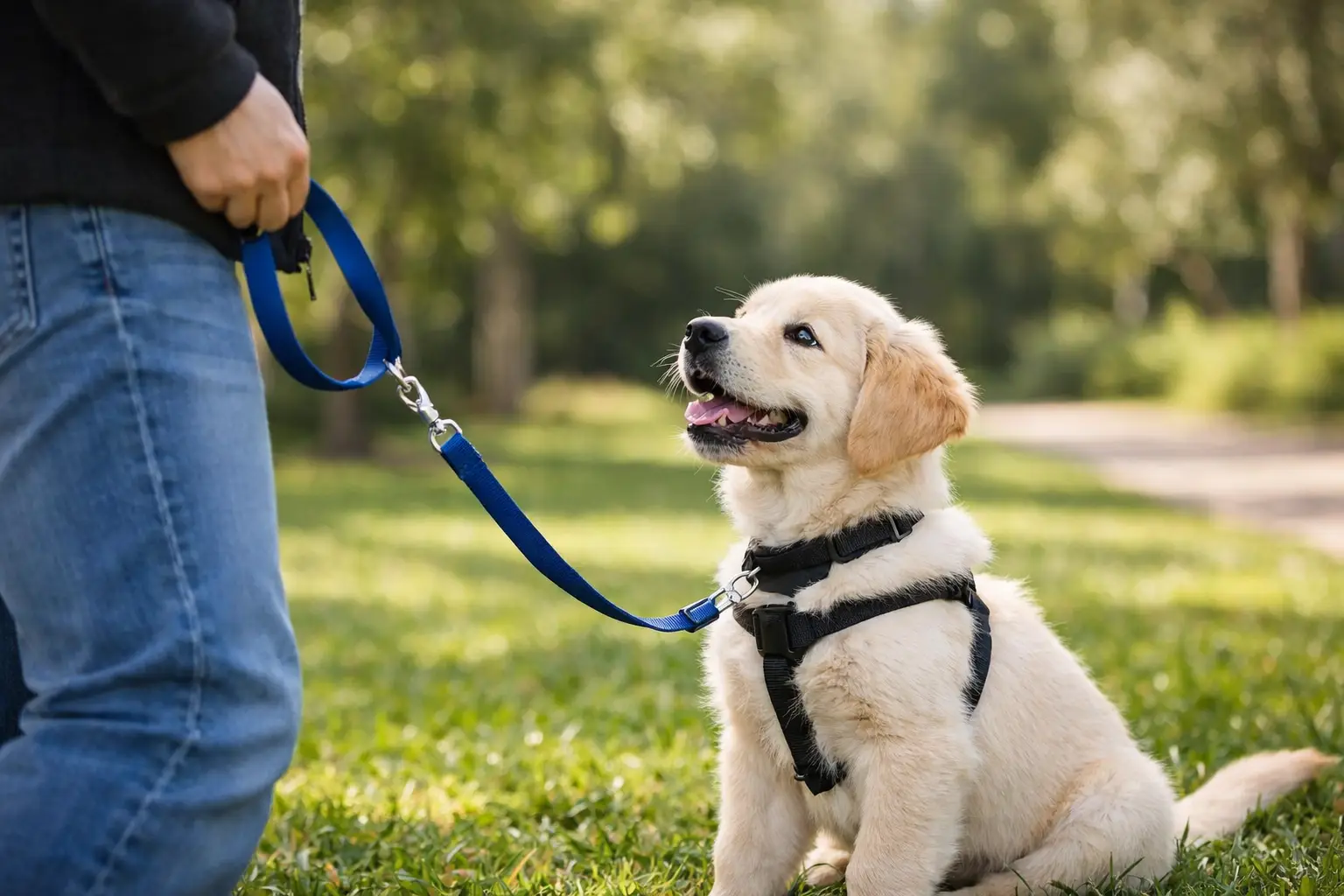
Front-clip harnesses are usually the most helpful for leash training because they can redirect the dog’s body when they surge forward. Back-clip harnesses are comfortable, but they often make pulling easier, especially in strong dogs. That does not mean a back-clip harness is bad. It just means it is usually better for management, casual walks with an already trained dog, or situations where leash manners are not the main lesson.
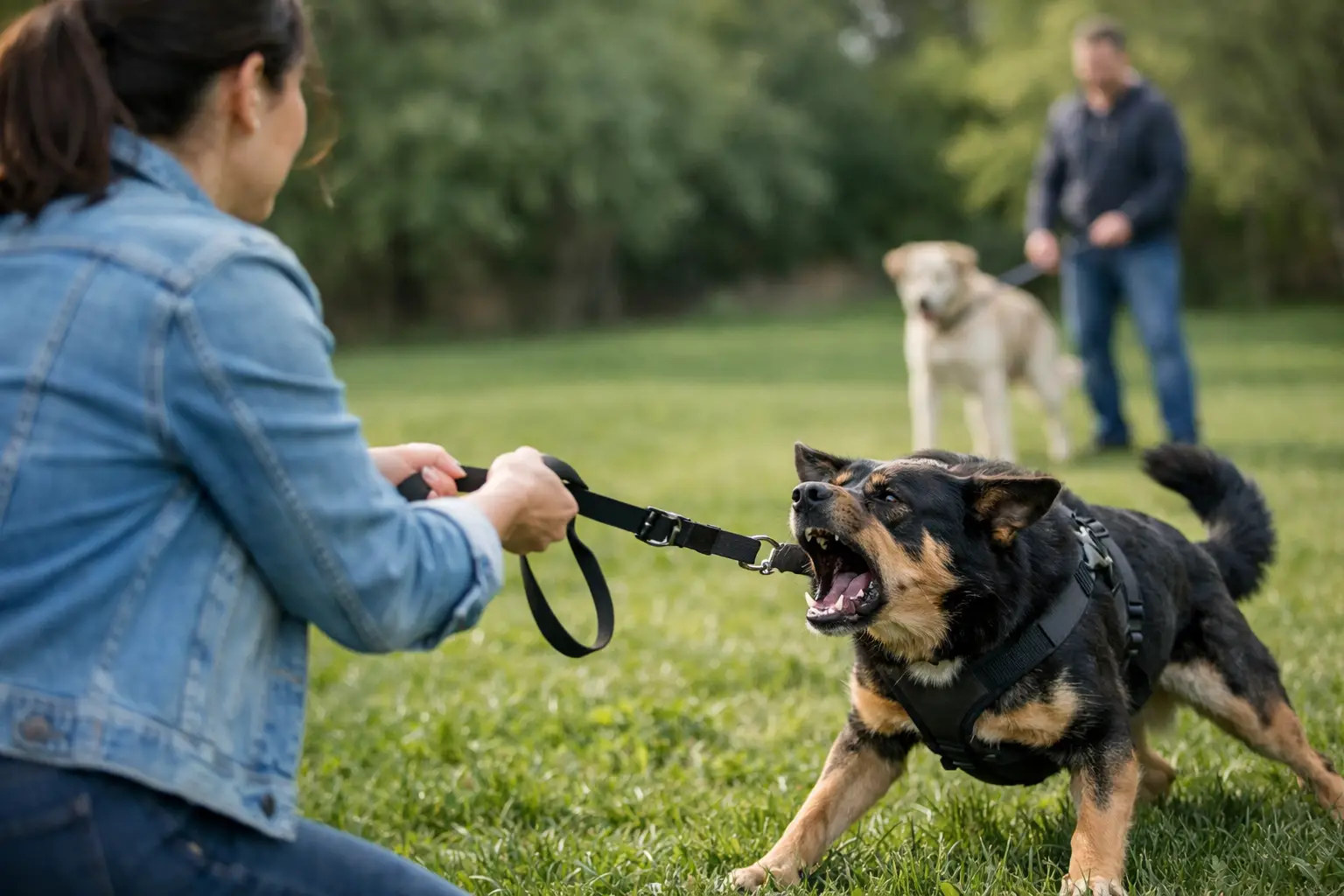
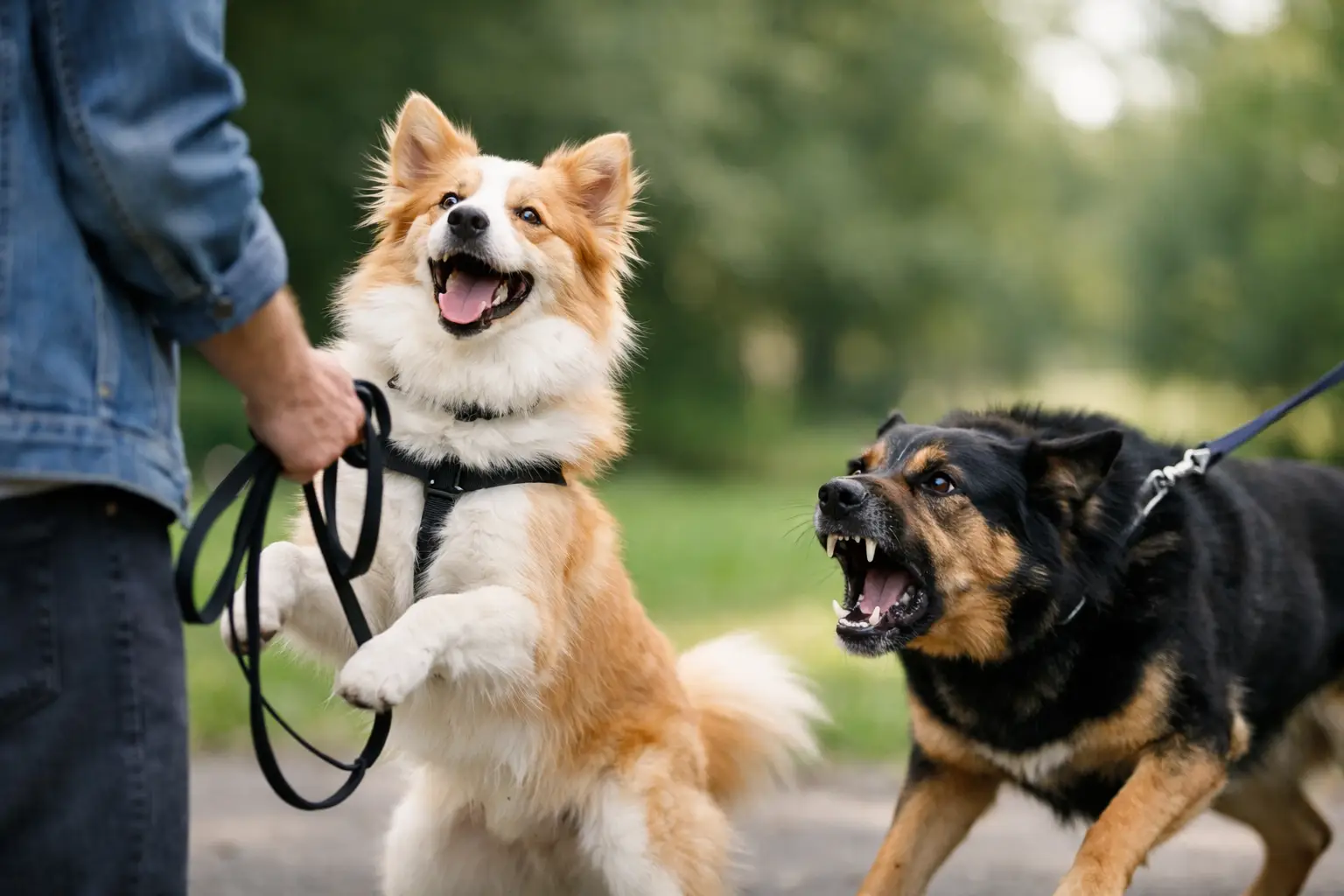
A harness is also useful for dogs with fear or reactivity issues. If a dog explodes at triggers, reducing neck pressure can prevent extra stress. It will not solve reactivity, but it can make the training process safer and more manageable.
Harness vs collar for training loose-leash walking
If your main goal is loose-leash walking, the best choice depends on your dog’s current behavior, not your ideal behavior.
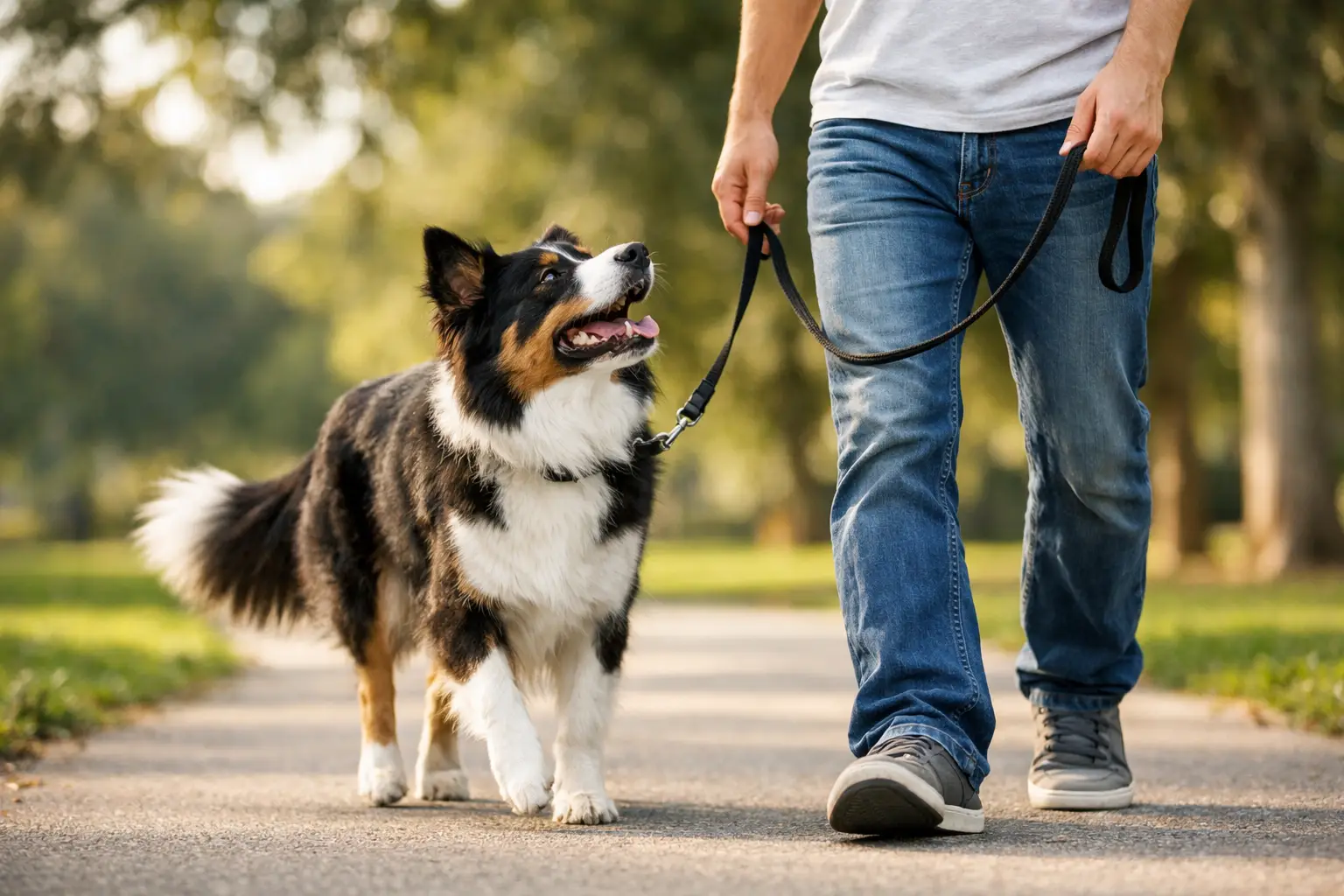
If your dog already walks fairly well and just needs polishing, a collar may work fine. If your dog pulls like crazy, a front-clip harness is usually the better starting point because it helps prevent rehearsing the same bad pattern over and over.
That word matters: rehearsing. Every walk teaches something. If your dog spends 20 minutes dragging you toward every smell, dog, and squirrel, they are practicing pulling. It does not matter whether they are wearing a collar or a harness if the behavior keeps getting repeated.
This is why gear should support your training plan. Stop when the leash tightens. Reward position. Change direction. Teach the dog that staying with you is what works. If your current equipment makes that nearly impossible, switch tools. There is no prize for sticking with gear that turns every session into a mess.
What many dog owners get wrong
The most common mistake is expecting the tool to do the job of training. People buy a harness hoping it will stop pulling. Or they switch to a collar hoping the dog will magically become more responsive. Then nothing changes because the dog has not actually been taught a different behavior.
The second mistake is choosing gear based on opinions instead of the dog in front of them. A calm Lab puppy, a reactive rescue, a brachycephalic small dog, and a powerful adolescent shepherd do not all need the same setup. Good training is specific.
The third mistake is using a tool that creates more conflict than clarity. If your dog spends the whole walk fighting the equipment, scratching at it, twisting out of it, or escalating against it, you are not building reliable obedience. You are building frustration.
How to choose the right tool for your dog
Start with safety. If your dog pulls hard enough to cough, gag, or risk neck strain, use a properly fitted harness while you train. If your dog is calm on leash and responds well, a flat collar may be all you need.
Next, look at your training goal. For loose-leash walking in a dog that is already overcommitted to pulling, a front-clip harness is often the easiest place to begin. For obedience work, handler focus, and dogs that can stay thoughtful under mild pressure, a collar may feel more precise.
Then be honest about your skill level. Many owners need a setup that gives them immediate control while they build better habits. That is not failure. That is smart training. Good management buys you the repetitions you need.
Fit matters too. A loose collar can slip off. A poorly fitted harness can rub, restrict shoulder movement, or let the dog escape. Whichever option you choose, make sure it fits correctly and your dog is comfortable wearing it.
The best answer is often both
For a lot of dogs, this is not really a harness or collar question. It is a both question.
Many owners use a collar for ID tags and structured obedience sessions, and a harness for walks where the dog still needs extra support. That is a practical approach. Different contexts call for different tools.
You do not need to pick one forever and defend it like a team sport. You need equipment that helps you teach calm walking, better decisions, and reliable responses. As your dog improves, your gear may change too.
That is what progress looks like. Early on, you may need more management. Later, you may need less. The right choice is the one that helps your dog succeed now while moving you toward better behavior long term.
If you feel stuck, keep this simple: choose the tool that gives you safety, clear communication, and the best chance of consistent practice. Then train the skill you want every single walk. Dogs get better when the picture gets clearer, and clear beats complicated every time.





Comments (2)