Helping You Raise a Calm, Happy & Well-Behaved Dog
How to Train Impulse Control in Dogs
Sara Michael,
Sharing is caring 😉
Your dog knows exactly what to do – until a squirrel moves, the door opens, or dinner hits the bowl. That gap between knowing and doing is why so many owners search for how to train impulse control. The good news is this skill is trainable, and you do not need a complicated routine to build it.
Impulse control is what helps a dog pause before acting. It is the difference between charging through a doorway and waiting, grabbing food and leaving it, exploding at a sound and looking back at you instead. If your dog is wild when excited, pushy around food, reactive on walks, or unable to settle, this is one of the most useful areas to train.
Impulse control is not about shutting your dog down or expecting perfect behavior all day. It means teaching your dog that calm, thoughtful choices work better than frantic ones. That matters because many common behavior problems are really impulsive behaviors that have been repeated and rewarded.
Jumping gets attention. Pulling gets the dog closer to the smell. Barking makes the window trigger move away. Snatching food works fast. From the dog’s point of view, those choices make sense.
Training changes that pattern. Your dog learns that waiting, checking in, holding position, and relaxing are the behaviors that open doors, start games, earn meals, and get freedom. That is how self-control becomes practical, not just theoretical.
How to train impulse control without creating frustration
The biggest mistake owners make is asking for too much restraint too soon. If your dog fails ten times in a row, that is not stubbornness. It usually means the exercise is too hard, the reward is too weak, or the environment is too distracting.
Good impulse control training starts easy. You build success in quiet settings, keep repetitions short, and reward the exact calm behavior you want. Then you slowly add more excitement.
This matters because impulse control is a skill, not a lecture. Dogs do not become patient because we want them to. They become patient because patience consistently pays off.
Start with one clear rule
Pick one everyday moment where your dog tends to lose control. Doorways, meals, getting out of the crate, leash clipping, and greeting people are all good places to start. Then decide on one simple behavior that will earn access.
For one dog, that might be sitting before the door opens. For another, it might be four paws on the floor before petting. Keep it simple enough that your dog can actually win.
If you keep changing the standard, training slows down. Clear repetitions create fast understanding.
Reward the pause, not just the position
A lot of owners reward the sit, but the real goal is the pause. Your dog might slam into a sit while vibrating with excitement, then break position the second your hand moves. That is not real self-control yet.
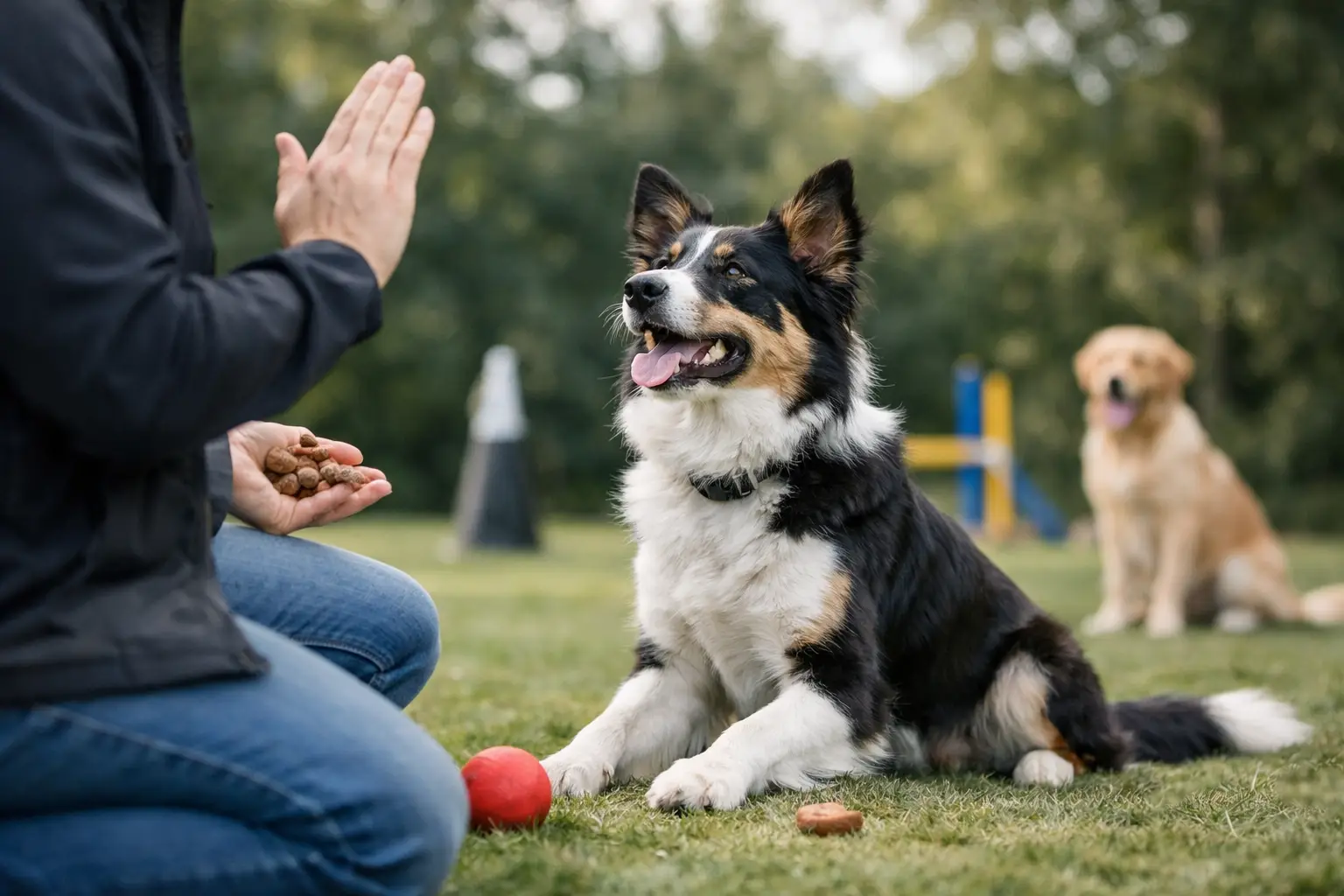
Watch for a moment of stillness. A breath. Soft eyes. A second of waiting. Mark and reward that. Over time, your dog starts to understand that calm behavior, not frantic guessing, is what gets results.
The best daily exercises for impulse control
You do not need an hour-long session. A few short reps built into real life work better for most owners and dogs.
Doorway waits
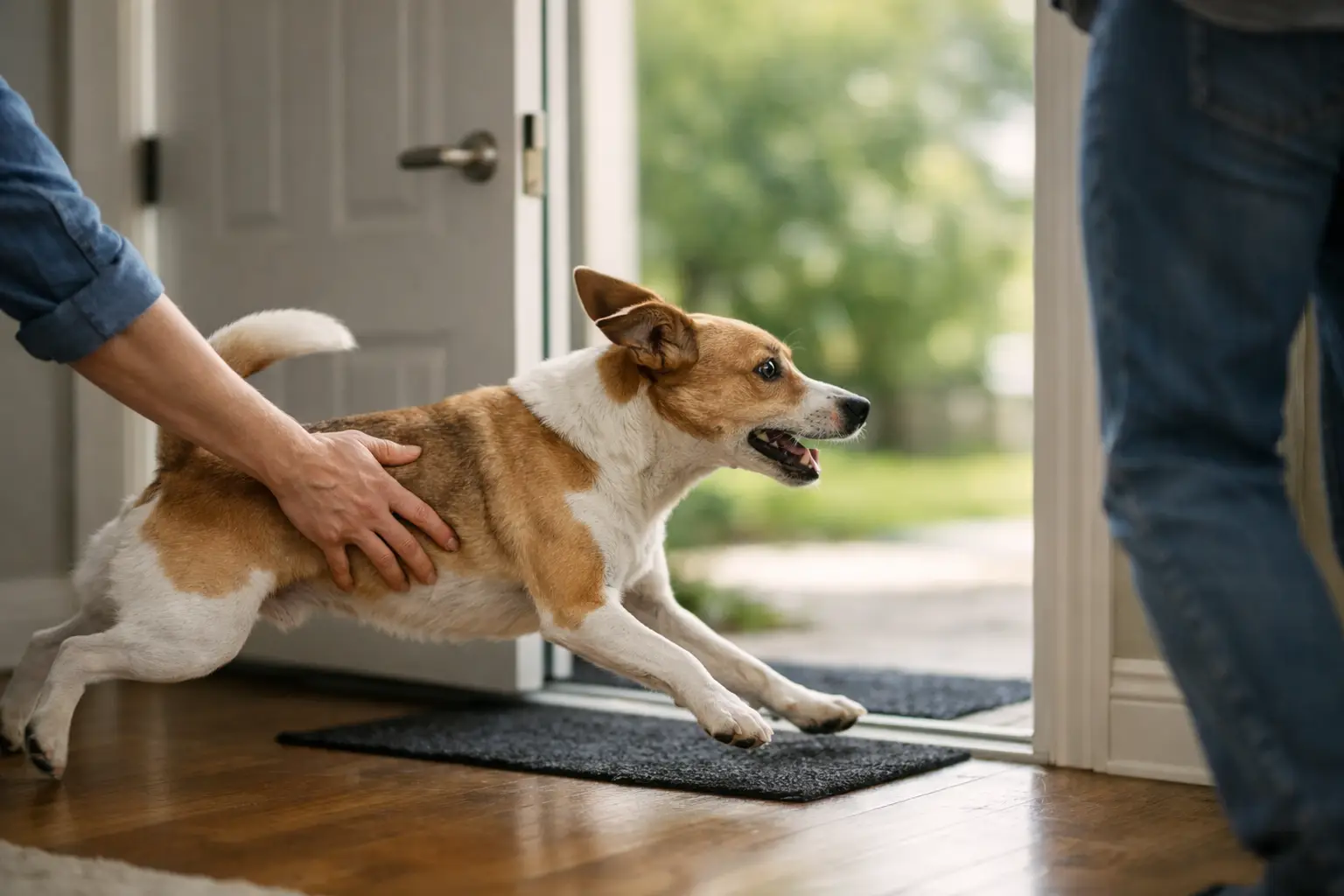
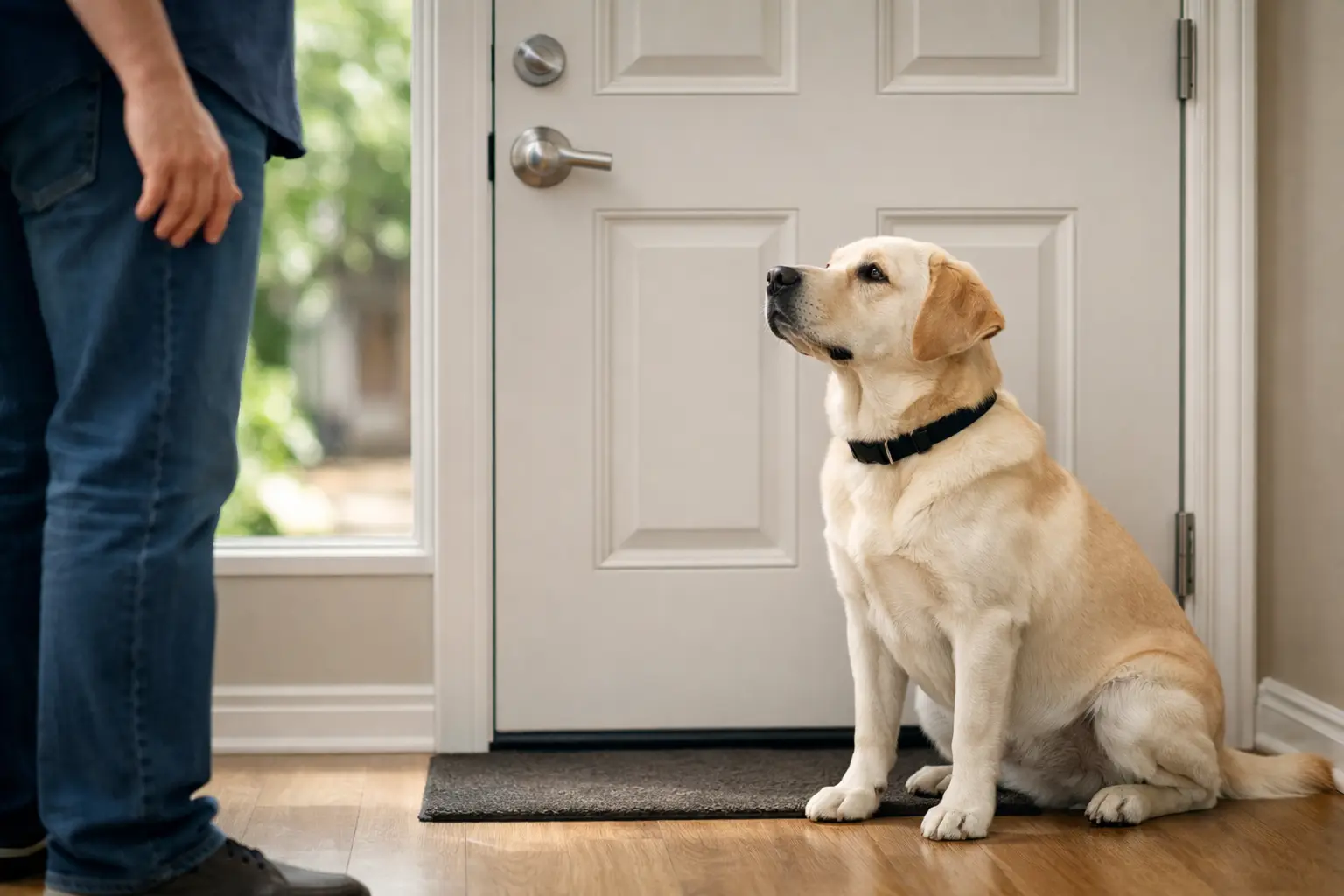
Ask for a sit or stand-stay before opening the door. Start by touching the handle. If your dog rushes forward, the door closes. If your dog stays calm, the door opens a little. Then more. Then release.
The door itself becomes the reward, which makes this exercise powerful. Just do not rush it. If your dog keeps breaking, lower the difficulty and reward earlier.
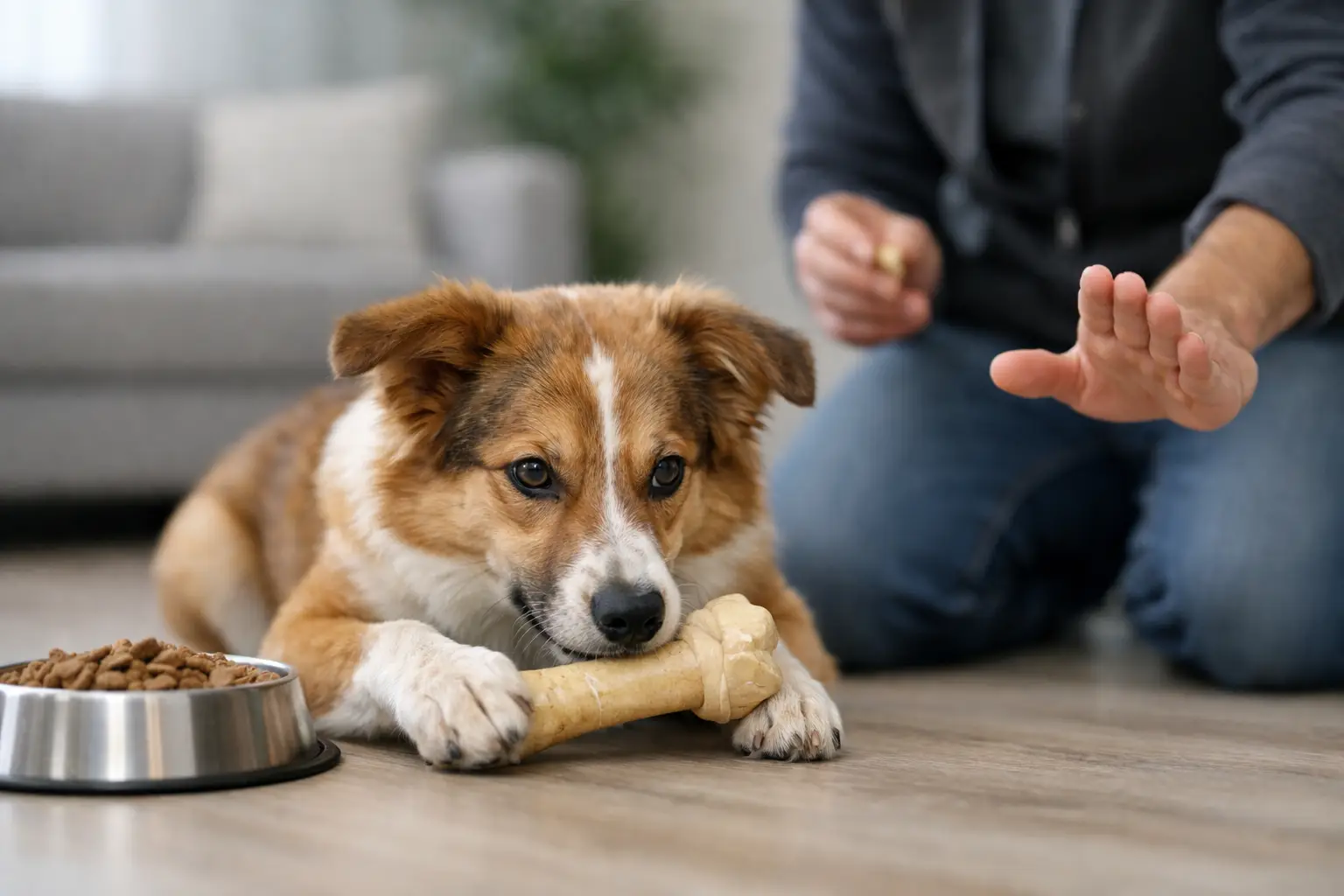
Food bowl manners
Have your dog wait while you lower the bowl. If your dog pops up or dives forward, lift the bowl back up. When your dog stays calm, place the bowl down and release.
This teaches that self-control makes food happen faster. For many pushy dogs, that lesson carries into other parts of the day.
Leave it
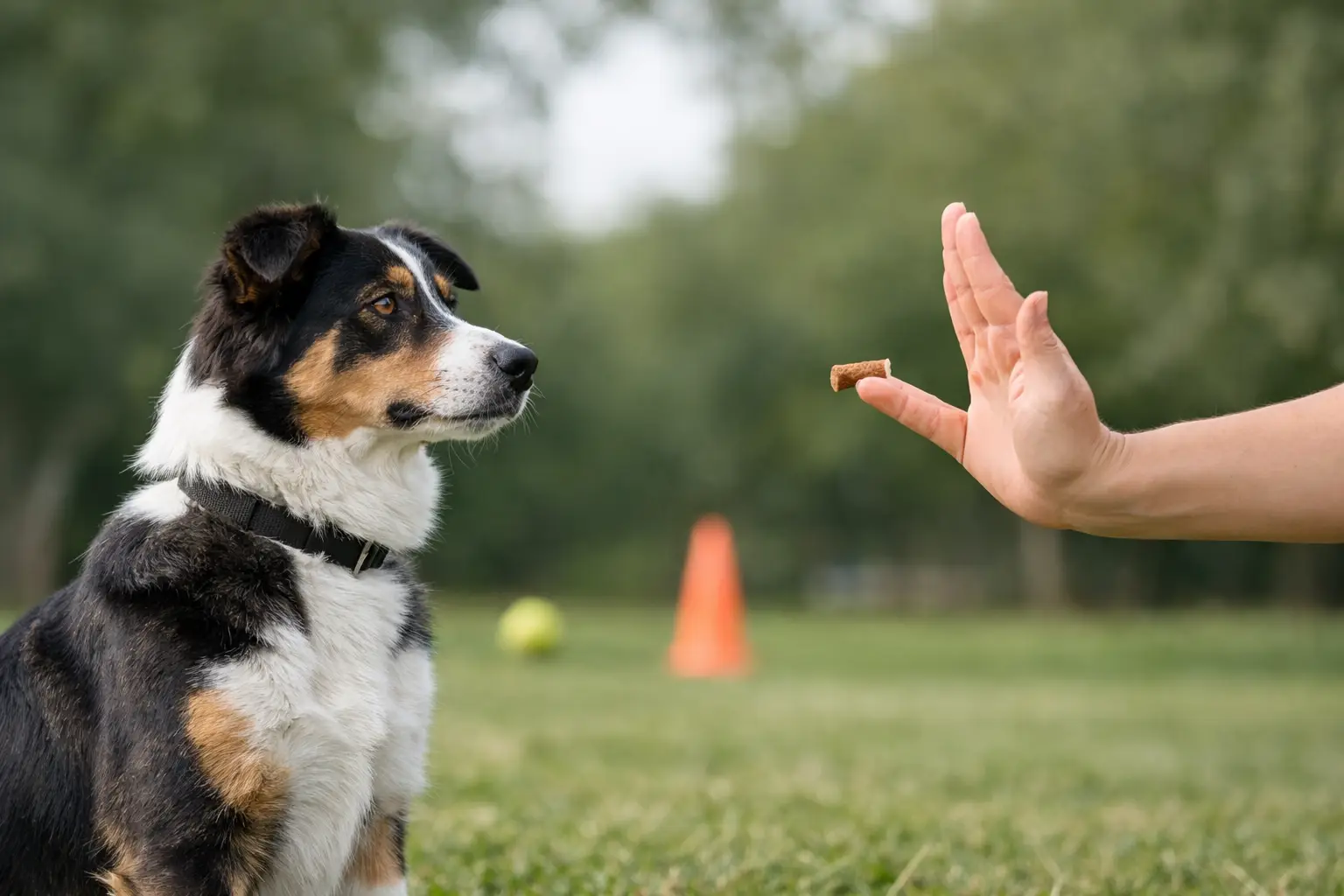
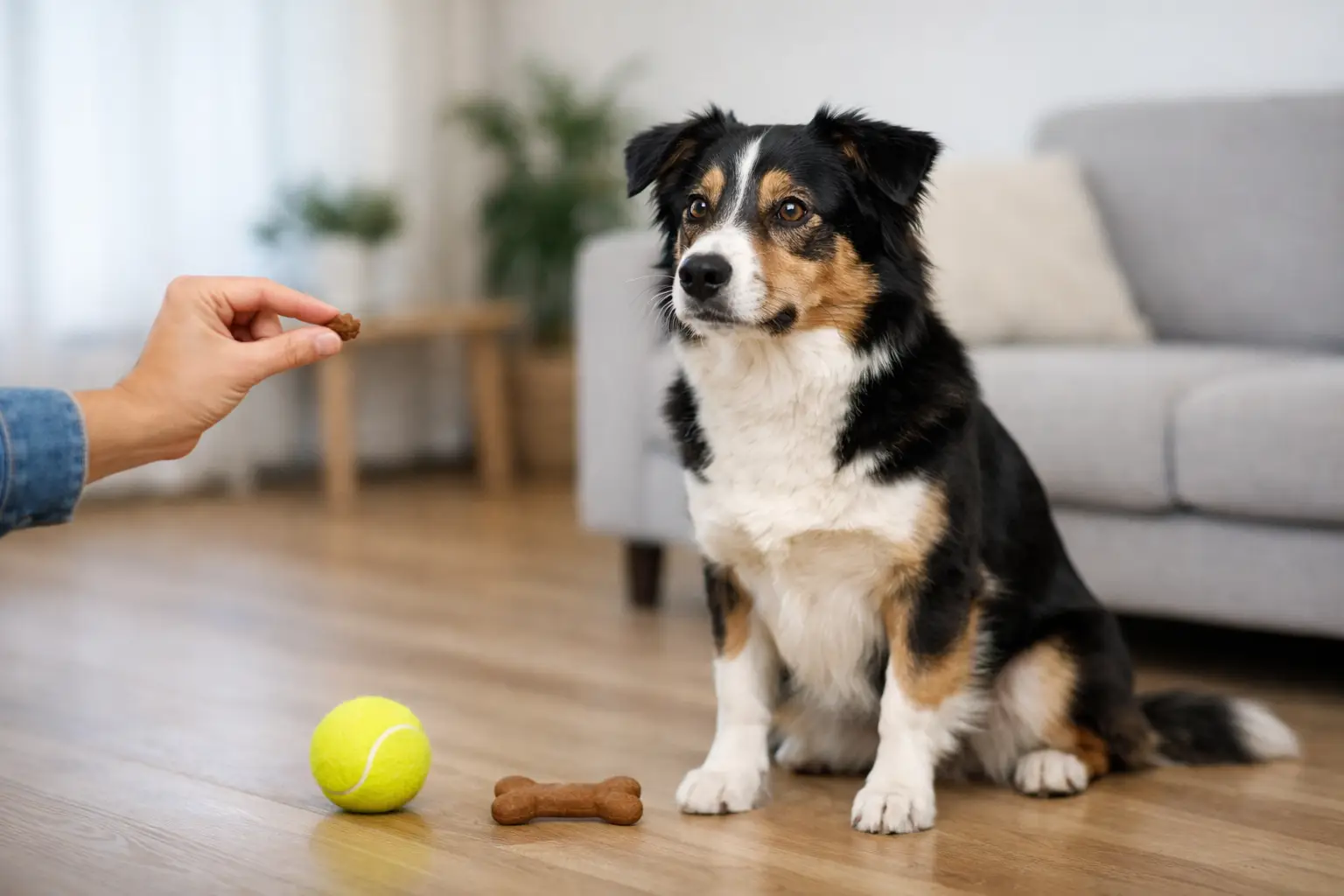
Start with a treat in your closed hand. Let your dog sniff, lick, or paw if needed, but do not open your hand. The moment your dog backs off or looks away, mark and reward from the other hand.
That detail matters. Your dog learns that disengaging from temptation earns reinforcement. Later, you can progress to food on the floor, toys, and real-life distractions.
Mat work and settling
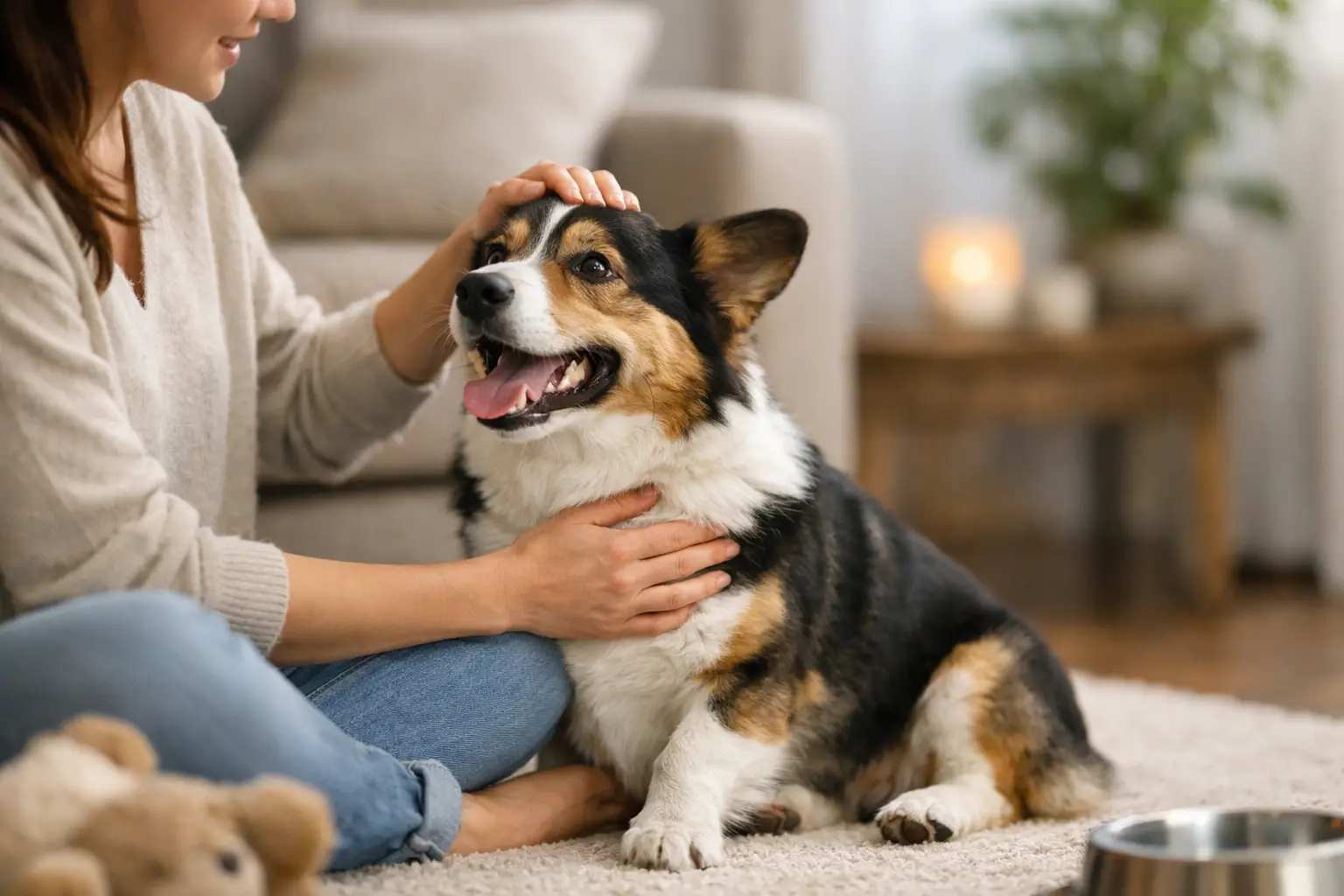
Impulse control is not only about active restraint. It is also about turning off. Teaching your dog to go to a mat and relax can help with barking, pacing, begging, and overexcitement when guests arrive.
Reward your dog for going to the mat, then for staying there, then for soft, relaxed body language. If your dog can only hold it for three seconds, that is your starting point. Build from there.
Waiting for the game to start
Before throwing the ball, opening the back door, or starting tug, ask for a calm pause. If your dog explodes, the game stops. If your dog can wait, even briefly, the fun starts.
This is one of the fastest ways to teach self-control because the reward is highly meaningful to the dog. The trade-off is that high-arousal dogs may struggle at first, so keep your criteria realistic.
Why dogs fail at impulse control training
If you feel like you have tried this before and nothing changed, the problem is usually not effort. It is structure.
Many dogs are asked to be calm in situations that are already too intense. A dog that cannot stay composed in the kitchen will not suddenly show perfect restraint at the front window when another dog walks by. You have to build the skill in easier places first.
Consistency also matters more than long sessions. If jumping sometimes gets attention and sometimes gets corrected and sometimes gets ignored, your dog gets mixed information. If calm behavior always works, progress comes faster.
Reinforcement is the other piece owners underestimate. If your dog thinks chasing the squirrel is better than listening to you, that is honest feedback. You need better timing, better rewards, or an easier setup.
How to train impulse control around real distractions
Once your dog understands the game at home, start adding distractions gradually. This is where many owners skip ahead and lose reliability.
How to train impulse control in the real world
Take one known exercise and increase difficulty one layer at a time. Practice doorway waits when someone walks past. Practice leave it with a toy on the floor. Practice settling on the mat while you cook dinner.
If your dog can succeed, reward generously. If your dog falls apart, do not keep repeating the same failure. Make it easier right away.
This is especially important with adolescent dogs and high-drive dogs. They often know the behavior but struggle to perform it when arousal spikes. That does not mean the training failed. It means the distraction level outpaced the dog’s skill.
What impulse control can and cannot fix
Impulse control training helps with jumping, barking for attention, charging doors, snatching food, rough play, poor greetings, and some forms of leash chaos. It can also make obedience more reliable because your dog learns to think before acting.
But it is not a cure-all. If your dog has serious fear, aggression, or full-blown reactivity, impulse control should be part of the plan, not the whole plan. A fearful dog is not simply lacking manners. In those cases, you need training that addresses the emotional side of the behavior too.
That is why context matters. A dog barking at dinner may need structure. A dog barking at strangers may need a more complete behavior program.
The fastest way to get results
Keep your sessions short, attach training to daily routines, and stop rewarding frantic behavior by accident. That alone changes more than most owners expect.
If you want faster progress, focus on the moments your dog cares about most. Meals, walks, greetings, play, doors, and freedom are high-value opportunities. When your dog learns that calm behavior controls access to those things, self-control starts to make sense.
You do not need perfection. You need repetition your dog can understand. At Optimist Dog, that is the difference we care about most – simple training that works in real life, even if your dog has a long history of making bad choices.
A dog with better impulse control is easier to live with, easier to guide, and much more capable of making good decisions when life gets exciting. Start with one daily routine, make the rule clear, and let your dog practice winning.
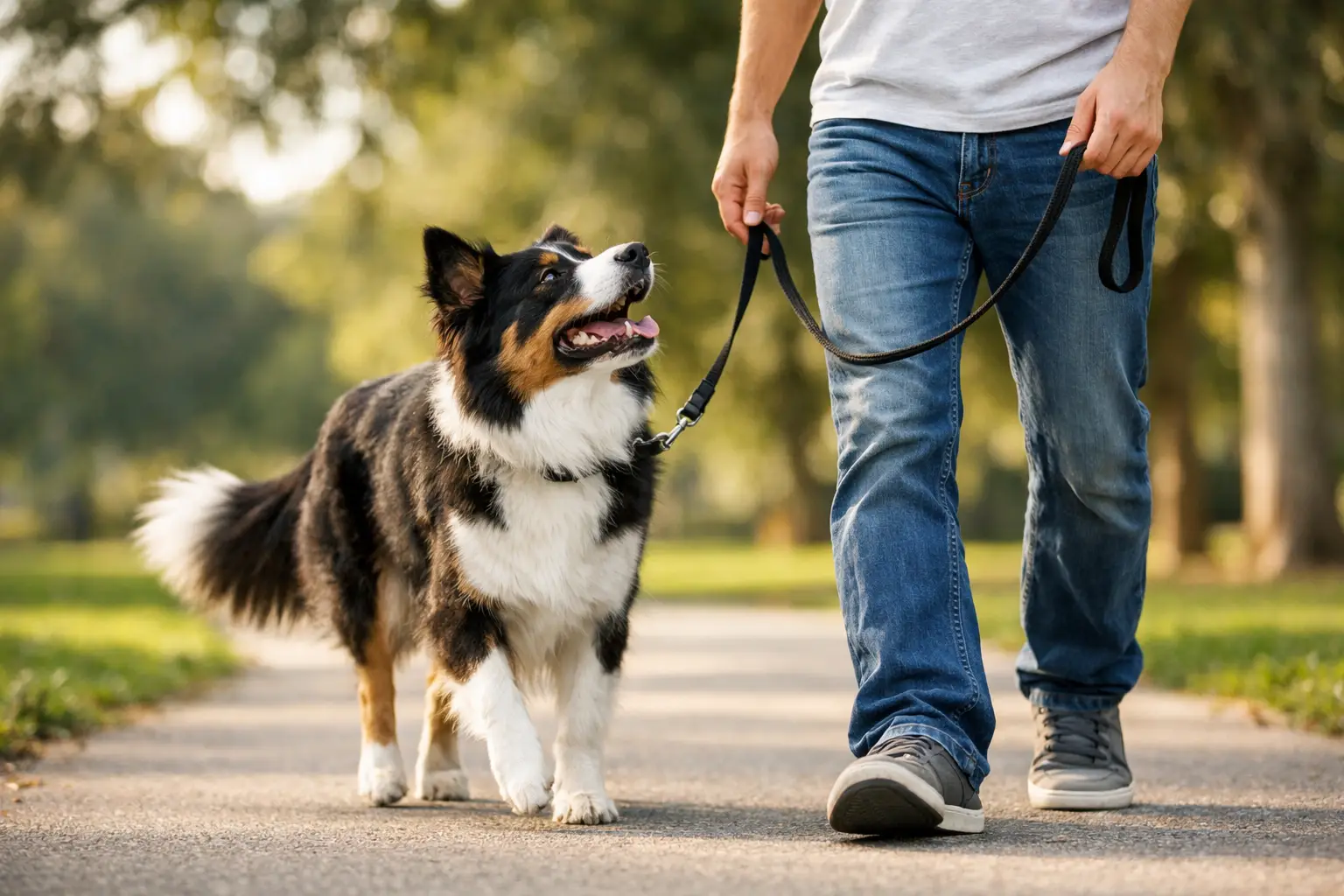
Learn how to teach loose leash walking with simple, proven steps that stop pulling, build focus, and make everyday walks calmer and safer for you today.




Comments (5)