Helping You Raise a Calm, Happy & Well-Behaved Dog
Guide to Training Stubborn Dogs Fast
Sara Michael,
Sharing is caring 😉
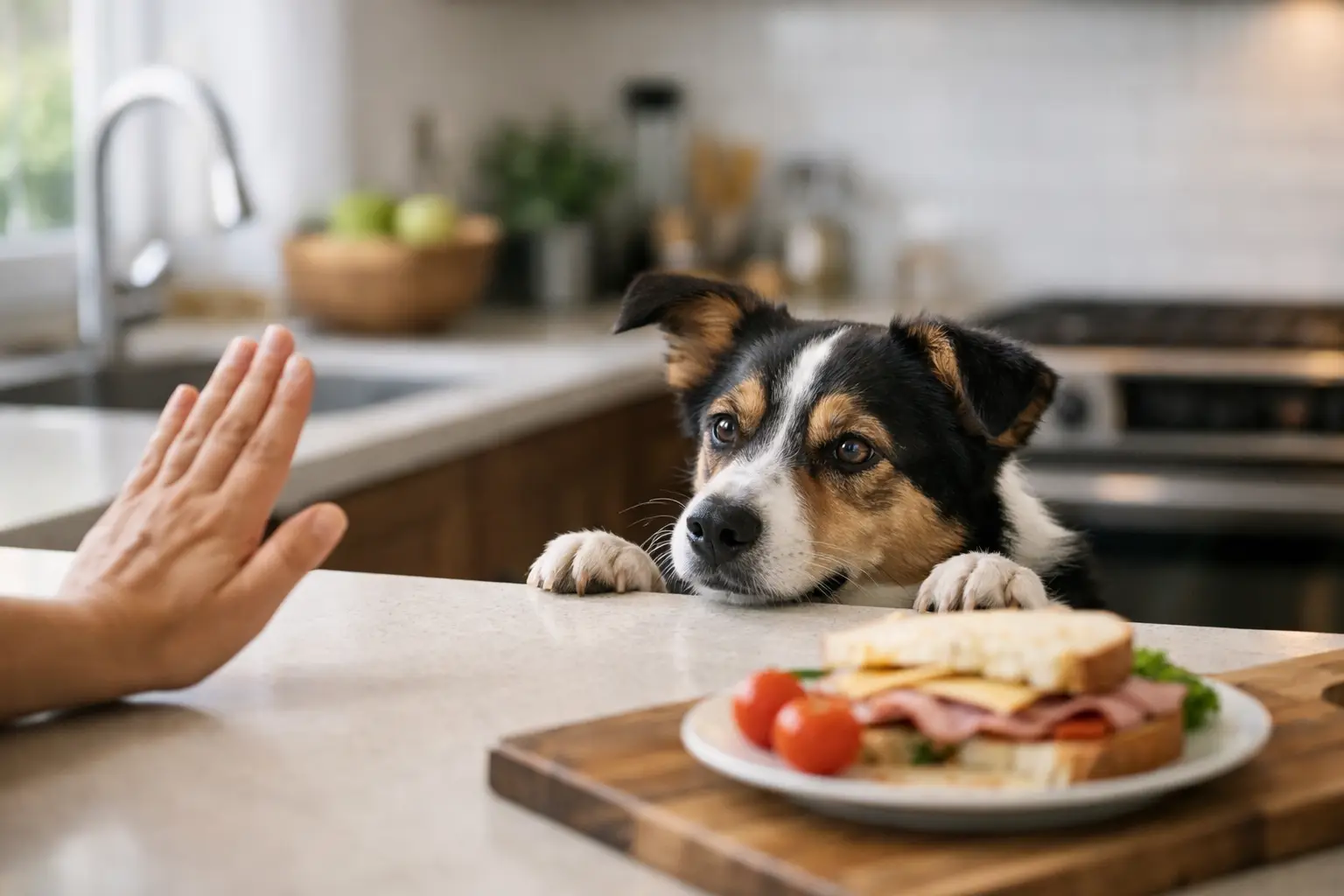
If your dog listens perfectly in the kitchen and then acts like you do not exist in the yard, you are not dealing with a dog who is trying to win a battle. You are dealing with a dog who has learned that obedience is optional in some moments. That is why a real guide to training stubborn dogs has to focus less on labels and more on what the dog has actually been taught, practiced, and rewarded for.
Most so-called stubborn dogs are not hard cases. They are undertrained, inconsistently handled, overexcited, distracted, or accidentally reinforced for ignoring commands. That is good news, because those problems can be fixed. With the right structure, most owners can get faster progress than they expect.
When owners say their dog is stubborn, they usually mean one of three things. The dog does not respond quickly, the dog responds only when it feels like it, or the dog responds in one place but not another. None of that automatically means the dog is dominant, spiteful, or impossible to train.
Dogs repeat what works. If your dog has learned that coming when called ends the fun, but ignoring you leads to more sniffing, pulling, or chasing, then ignoring you has value. If you repeat commands five times before enforcing them, your dog learns the first four do not matter. If you ask for a sit while your dog is overstimulated and have never practiced under distraction, the failure is usually in the training setup, not the dog’s attitude.
That shift matters. Once you stop seeing the dog as the problem and start looking at the pattern, training gets clearer and a lot less emotional.
A guide to training stubborn dogs starts with control, not conflict
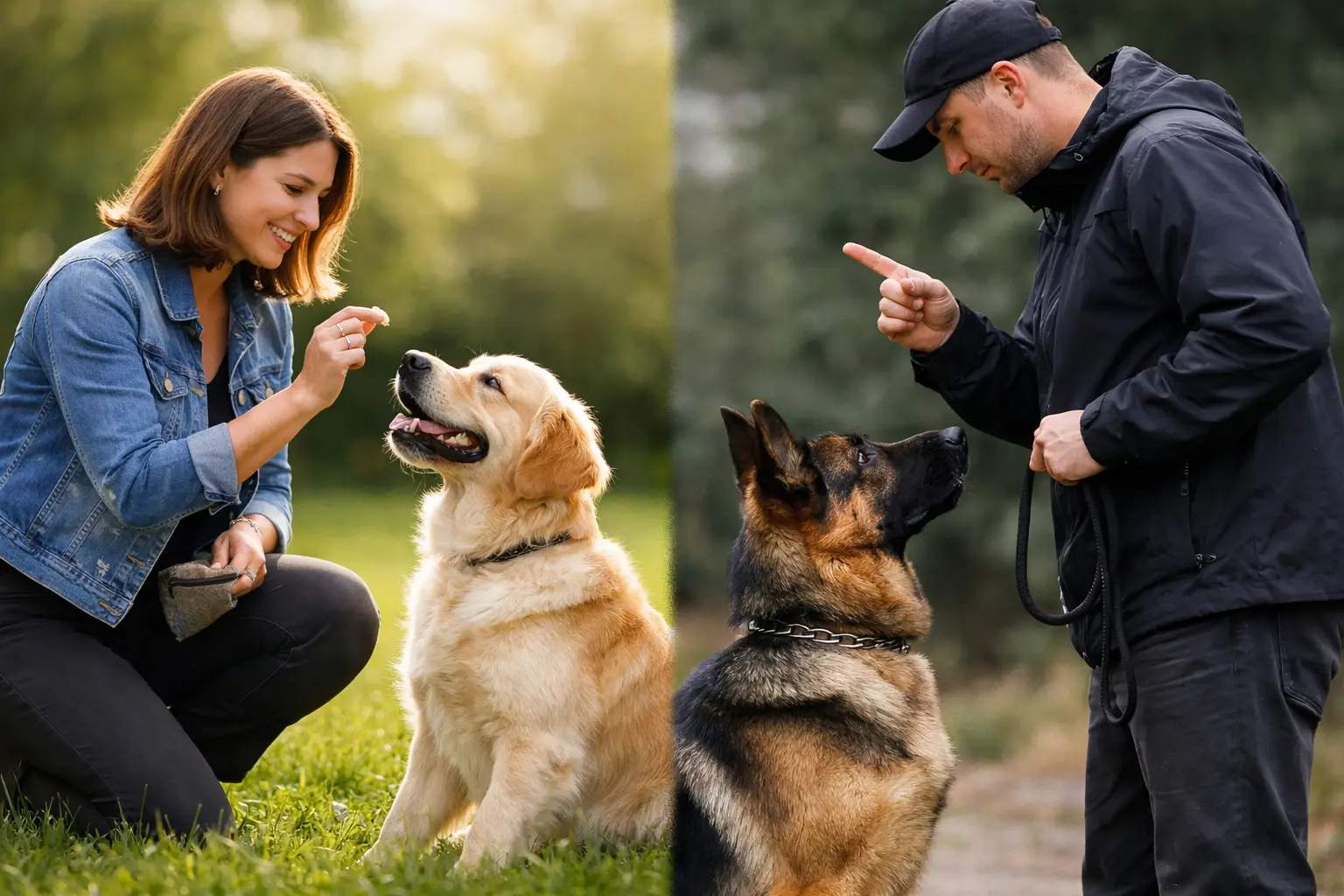
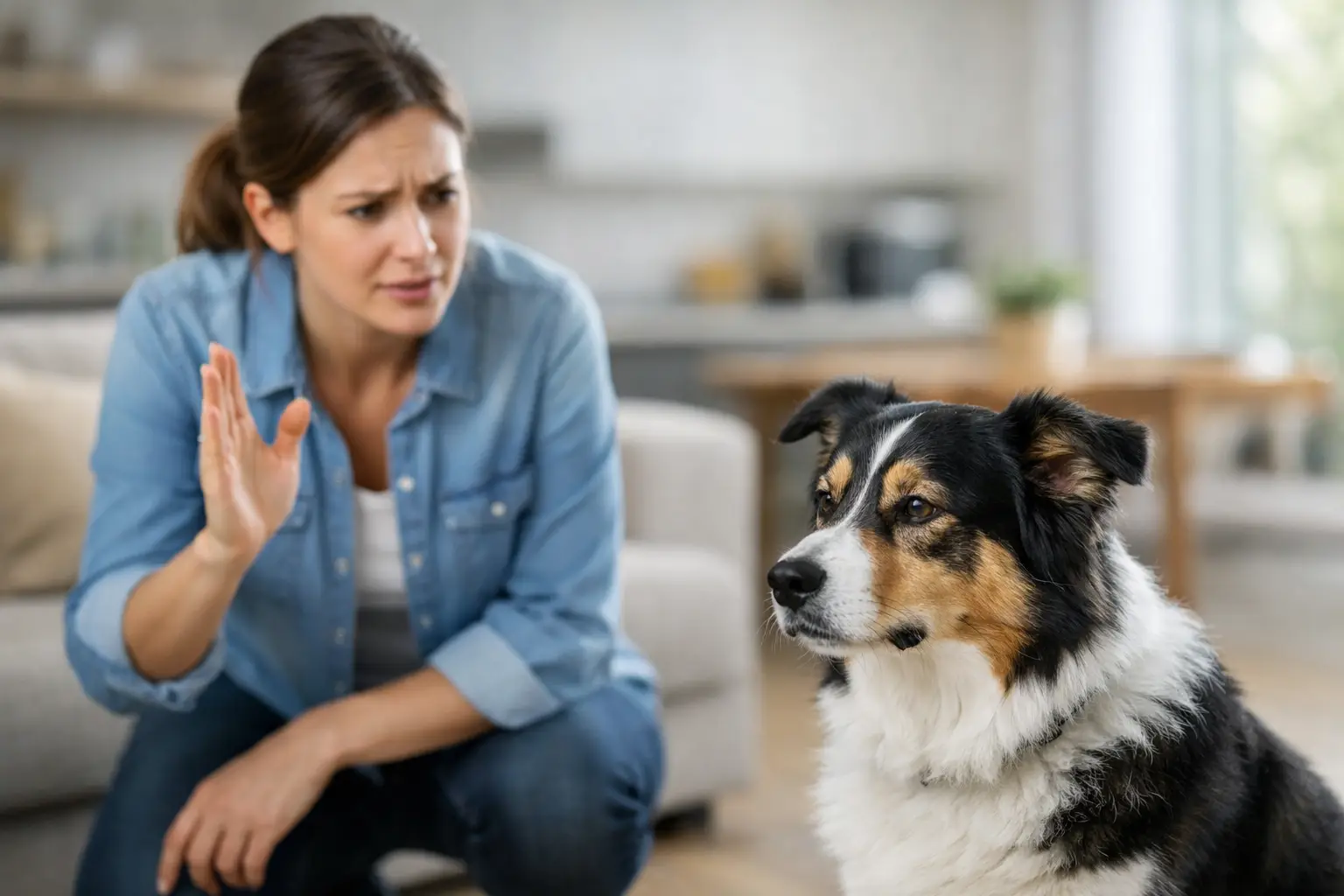
Many frustrated owners respond by getting louder, more repetitive, or more emotional. That usually makes a resistant dog slower, not faster. Stronger pressure without clarity often creates avoidance, confusion, or selective hearing.
Instead, start by tightening the structure around the dog. Use a leash indoors if needed. Limit free access to distractions. Keep training sessions short enough that your dog can succeed. Make commands mean one thing every time.
This is where a lot of progress happens. Not because the dog is being overpowered, but because the dog is finally getting a clear, consistent picture. Training works best when your dog understands the behavior, sees a reason to do it, and learns that follow-through happens every time.
The 5 rules that change stubborn behavior
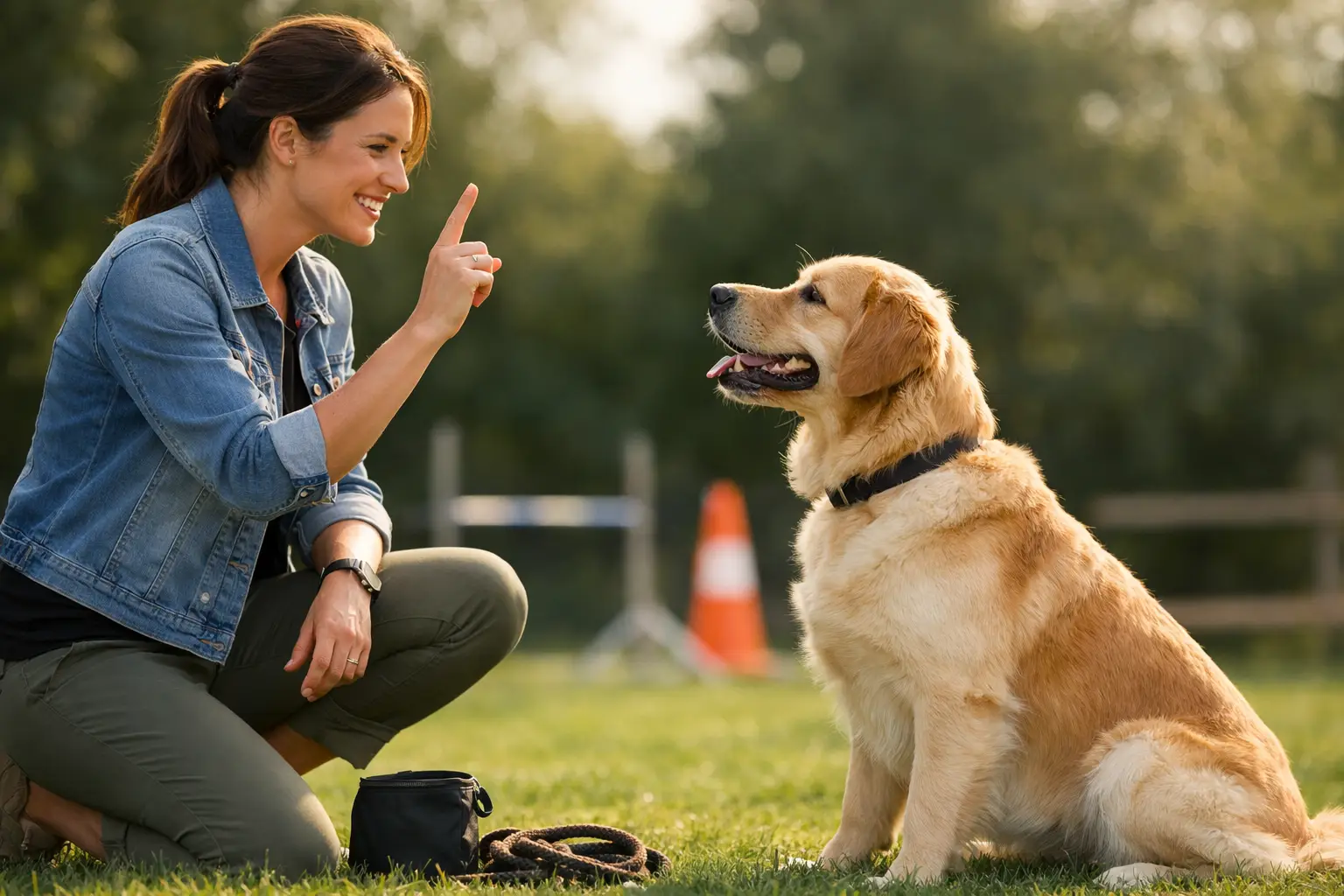
First, give the command once. If you say sit, mean sit. Repeating cues teaches your dog to wait you out.
Second, reward what you want fast. Timing matters more than most owners realize. If your dog sits and you praise five seconds later, you may be rewarding fidgeting, not sitting.
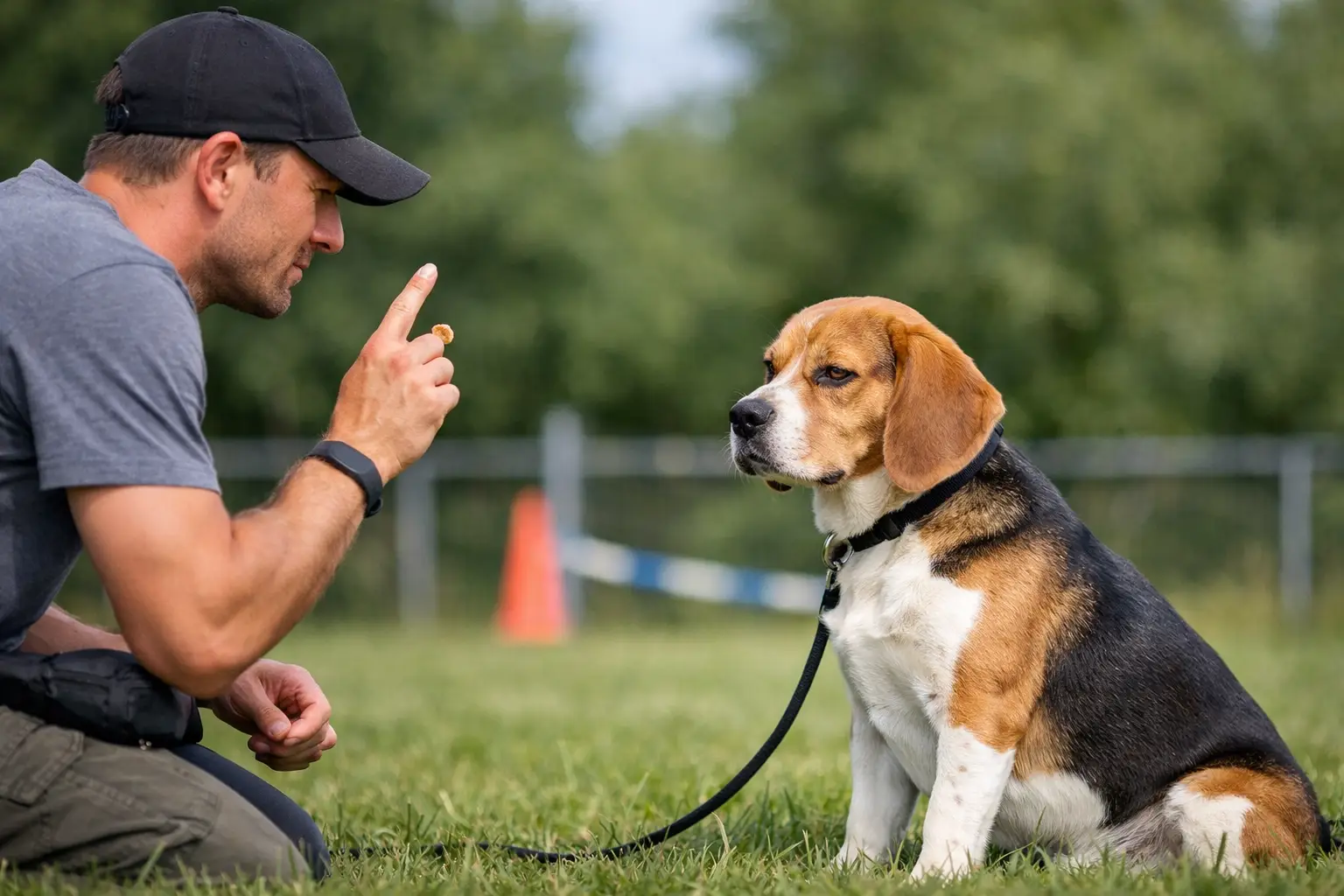
Third, do not bribe your dog through every repetition. There is a difference between using food as a training reward and waving it around to beg for cooperation. Teach the behavior first, then reward the response.
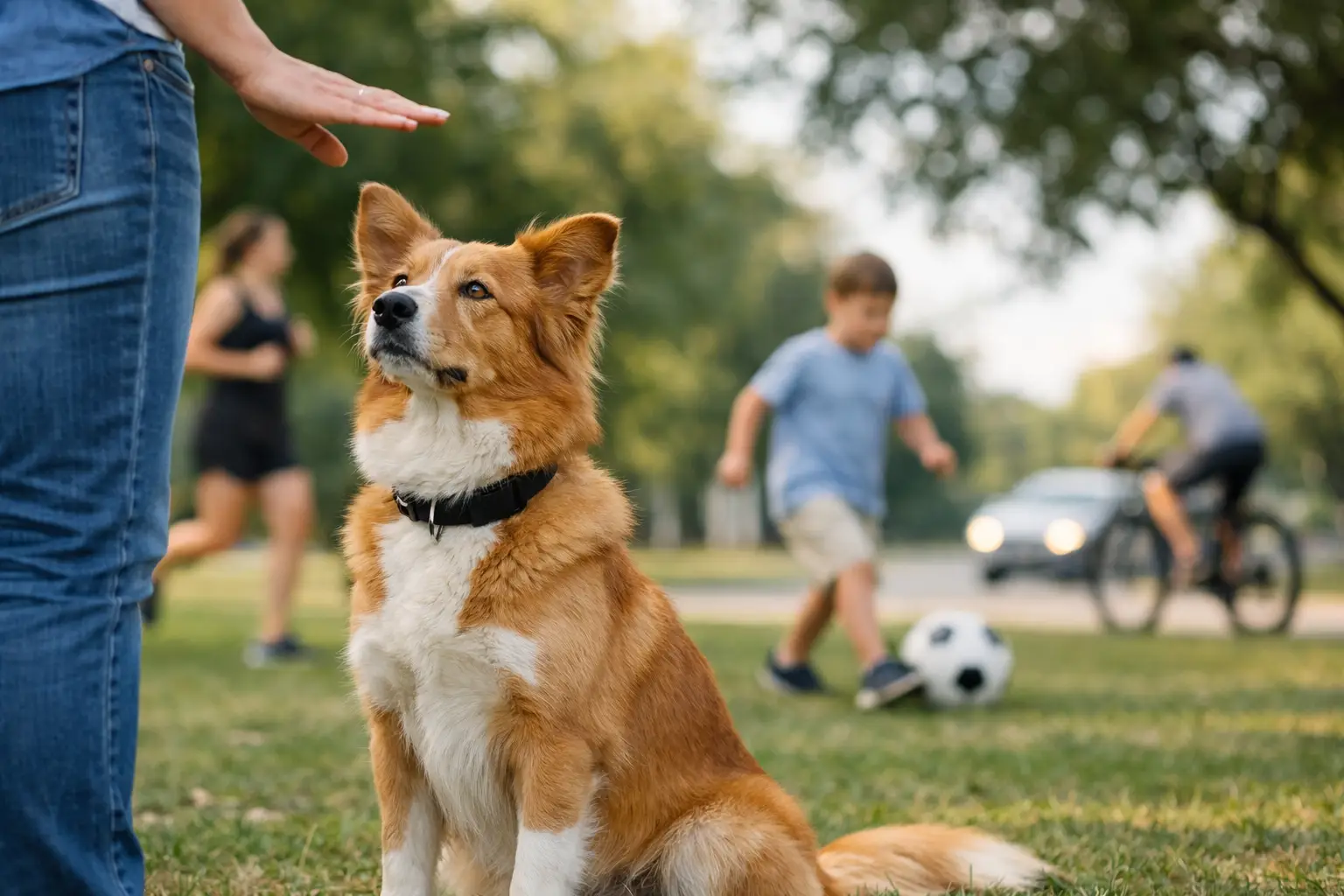
Fourth, practice at the right difficulty. If your dog can down in the living room but not at the park, the park is not proof your dog is stubborn. It is proof the training has not been generalized.
Fifth, follow through calmly. If you ask for a known command, help your dog complete it. That might mean guiding with the leash, resetting the position, or removing the chance to ignore you and run off. Calm consistency beats frustration every time.
How to train a stubborn dog without getting stuck
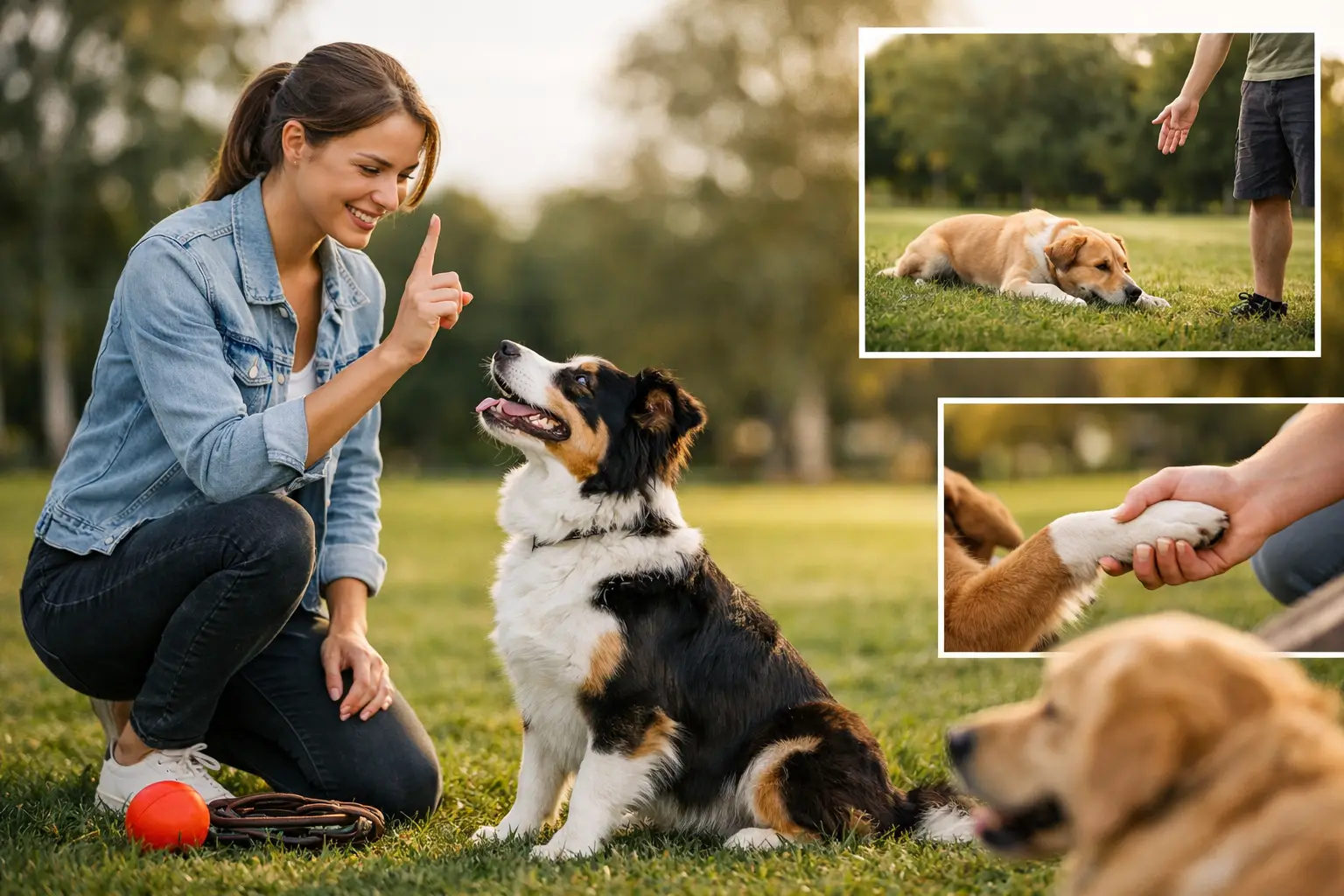
Start with one or two behaviors that matter every day, such as sit, down, place, come, or leash walking. Do not try to fix everything in one week. Owners often lose momentum because they bounce between barking, jumping, pulling, and recall without building reliability in any one area.
Work in short sessions, usually five to ten minutes. That is enough if you are focused. Ask for simple wins first, reward them, then stop before your dog mentally checks out. For many stubborn dogs, ending on success builds better momentum than pushing until there is a fight.
Use a predictable routine. Dogs learn faster when training is part of daily life, not a random event. Practice before meals, before going outside, before greeting people, and before getting on the couch if that privilege is allowed. Everyday moments become training reps.
This matters because obedience should not live only inside a formal session. A dog that sits only when treats come out has not learned reliability. A dog that sits before real-life rewards is learning that listening works everywhere.
Build obedience in layers
Teach the behavior clearly first. Then build duration, meaning how long your dog holds it. Then build distance, meaning how far away you can be. Then build distraction, meaning how well your dog can perform around exciting things.
Owners often skip straight to distraction and then decide the dog is stubborn. If your dog cannot hold place for 20 seconds in a quiet room, expecting success around visitors is unrealistic. Layered training is slower in the beginning, but it creates results that hold up.
Make the right choice easier
Management is not failure. It is part of good training. If your dog steals socks, stop leaving socks out during the training phase. If your dog ignores recall in the unfenced yard, use a long line. If your dog loses its mind at the window, block the view while teaching calmer behavior.
You are not surrendering. You are removing the chance for your dog to rehearse the exact habits you are trying to stop.
Common mistakes in training stubborn dogs
One of the biggest mistakes is talking too much. Dogs do not need speeches. They need clear markers, consistent expectations, and good timing. Too many words blur the message.
Another mistake is asking for behavior the dog does not truly know. A dog that performs for food in one room is still in early training, even if it looked solid for three days. Reliability has to be earned through repetition in new environments.
The next mistake is inconsistency between family members. If one person enforces no jumping and another rewards excited greetings, the dog gets mixed information. Stubborn behavior often survives because the household is not unified.
There is also the issue of accidental payoff. Many bad habits continue because they work. Barking gets attention. Pulling gets forward movement. Refusing to come delays the end of play. When you change the outcome, behavior starts to change.
When food works and when it does not
Food is useful because it speeds up learning and helps create positive engagement. But if your dog obeys only when the treat is visible, the problem is usually not the food itself. It is how it is being used.
Use food after the response, not as a constant lure forever. Mix in praise, play, access to the environment, and life rewards. For some dogs, getting released to sniff is powerful. For others, a ball or tug is more motivating than food. A practical guide to training stubborn dogs has to account for the dog in front of you, not just one reward system.
It also depends on the behavior. A high-distraction recall may need stronger rewards than a sit in the hallway. That is normal. Not every command has the same value or difficulty.
What to do when your dog blows you off
Do not turn it into a debate. If your dog ignores a known cue, calmly interrupt the freedom to ignore it. Reset, simplify, and get compliance at a level your dog can handle. Then reward the success.
For example, if your dog will not come from 30 feet away in the yard, shorten the distance and use a long line. If your dog will not down when guests are over, move farther from the action and lower the difficulty. Training should stretch your dog, not overwhelm your dog.
Progress is not always linear. Some days look great and the next day feels messy. That does not mean the system failed. It usually means the environment, timing, or difficulty level changed. Stay steady.
When stubborn behavior is actually stress or confusion
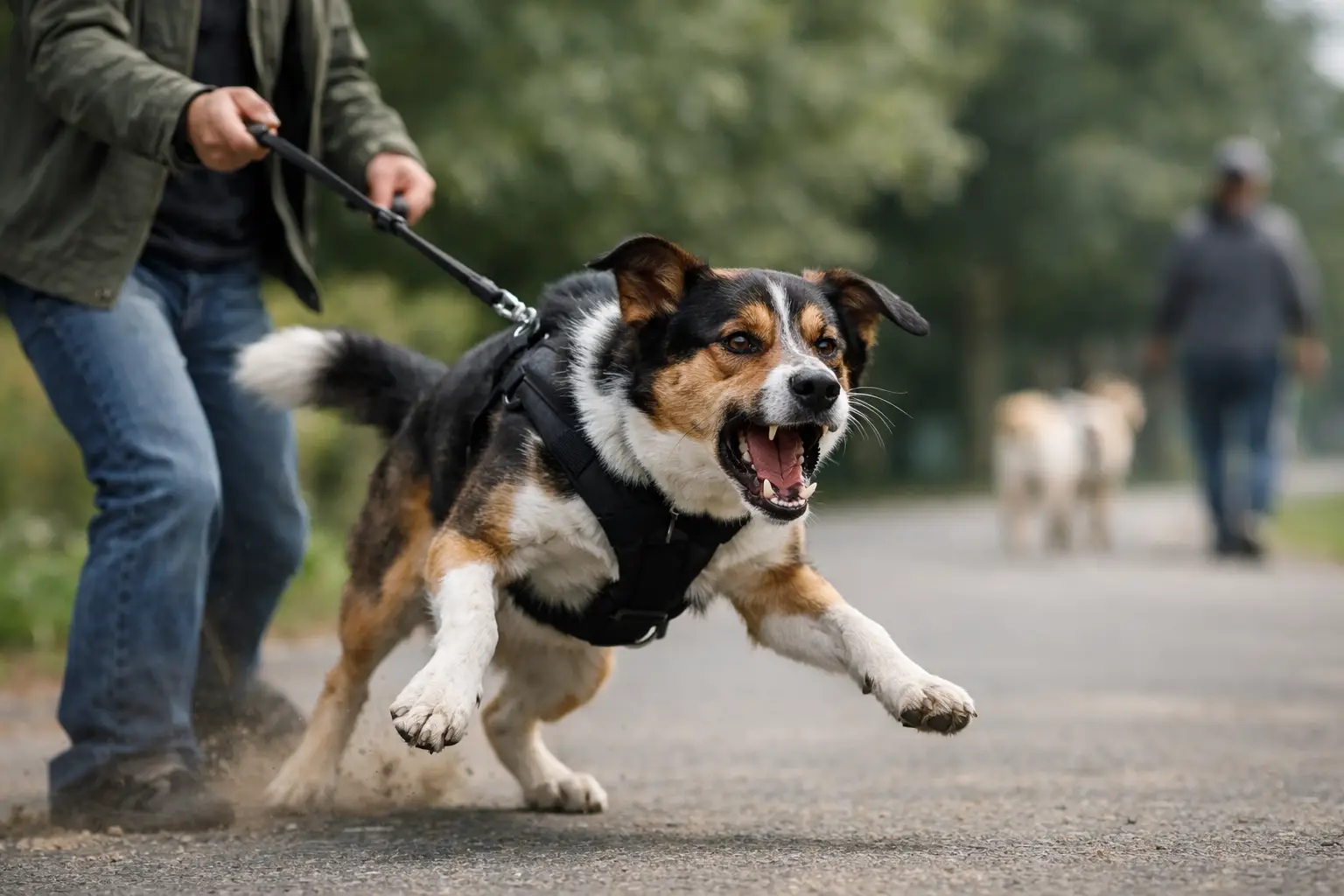
Not every refusal is defiance. Some dogs shut down because they are nervous. Some get wild because they are overstimulated. Some freeze because the training is unclear. If your dog seems frantic, avoidant, or unusually slow, step back and evaluate the setup.
A confident, solution-focused trainer does not assume every problem needs more pressure. Sometimes the fastest fix is clearer communication, lower distraction, better reward timing, or shorter sessions. If your dog has a history of fear, aggression, or severe reactivity, a more structured plan is often needed.
That is where a step-by-step system can save you time. Instead of guessing, you move from foundation work to real-world obedience in the right order.
The encouraging truth is that stubborn dogs are often very trainable once the rules become clear. They are not waiting for a miracle. They are waiting for consistency. Give them that, stay calm, and keep showing them the right answer until it becomes a habit.
Learn how to teach dog calmness with simple daily training that reduces barking, jumping, and overexcitement without confusing your dog at home each day.
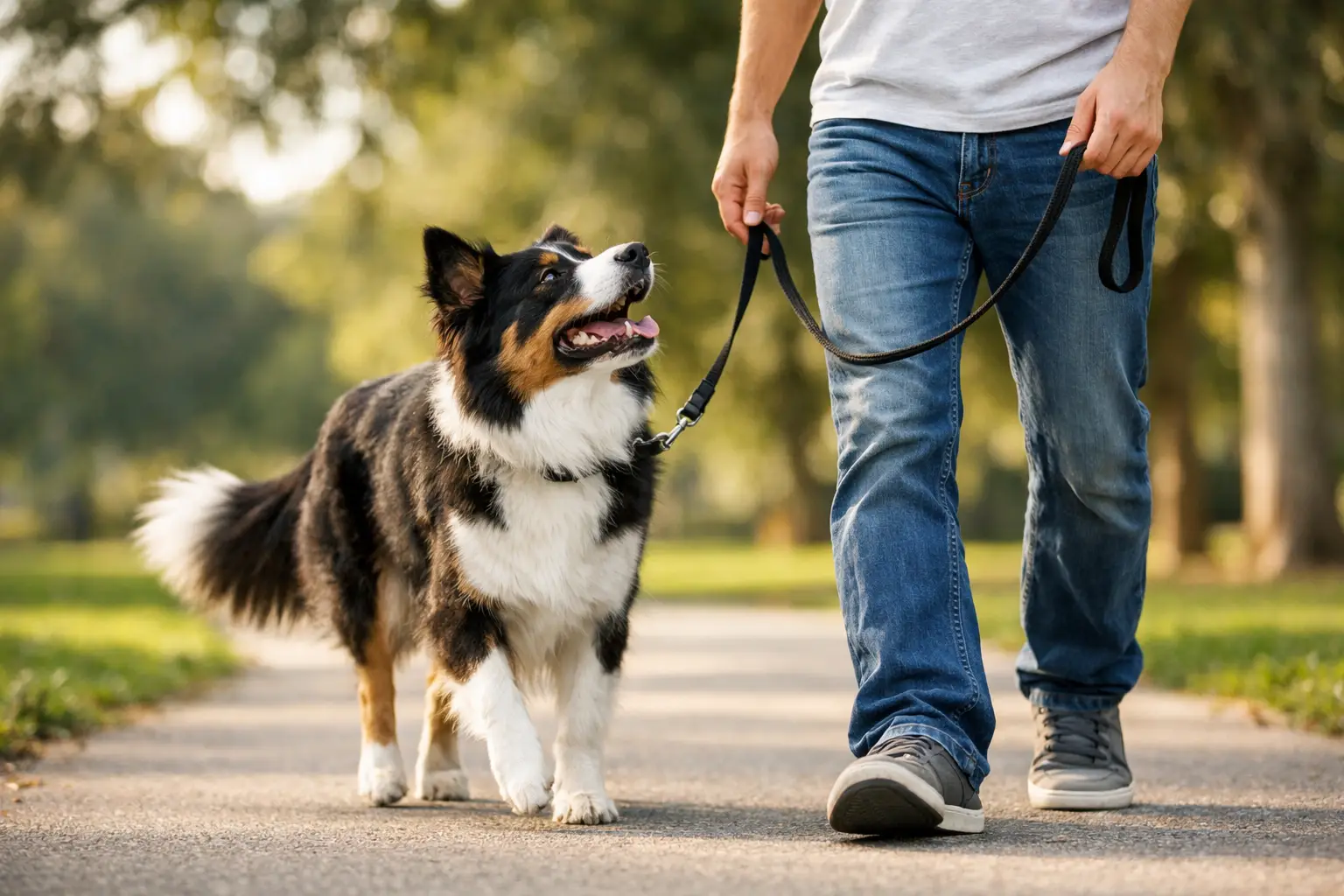
Learn how to teach loose leash walking with simple, proven steps that stop pulling, build focus, and make everyday walks calmer and safer for you today.