Helping You Raise a Calm, Happy & Well-Behaved Dog
How to Stop Leash Pulling for Good
Sara Michael,
Sharing is caring 😉
Your walk should not feel like waterskiing behind your dog. If you’re searching for how to stop leash pulling, the fix is usually not more strength, harsher corrections, or hoping your dog grows out of it. Pulling is a training problem, and training problems get better when you make the right behavior clear, repeatable, and worth your dog’s effort.
Most dogs pull for one simple reason: it works. They lean forward, the leash tightens, and they still get to move toward the grass, the mailbox, the squirrel, or the next smell. From your dog’s point of view, pulling has a long history of paying off. That means the goal is not just to tell your dog “no.” The goal is to change what pays.
A loose-leash walk is not natural for most dogs. Fast movement, new scents, people, dogs, and open space all push your dog to go forward. Puppies do it because they are curious. Adolescent dogs do it because they are excited and impulsive. Adult dogs do it because they have practiced it for months or years.
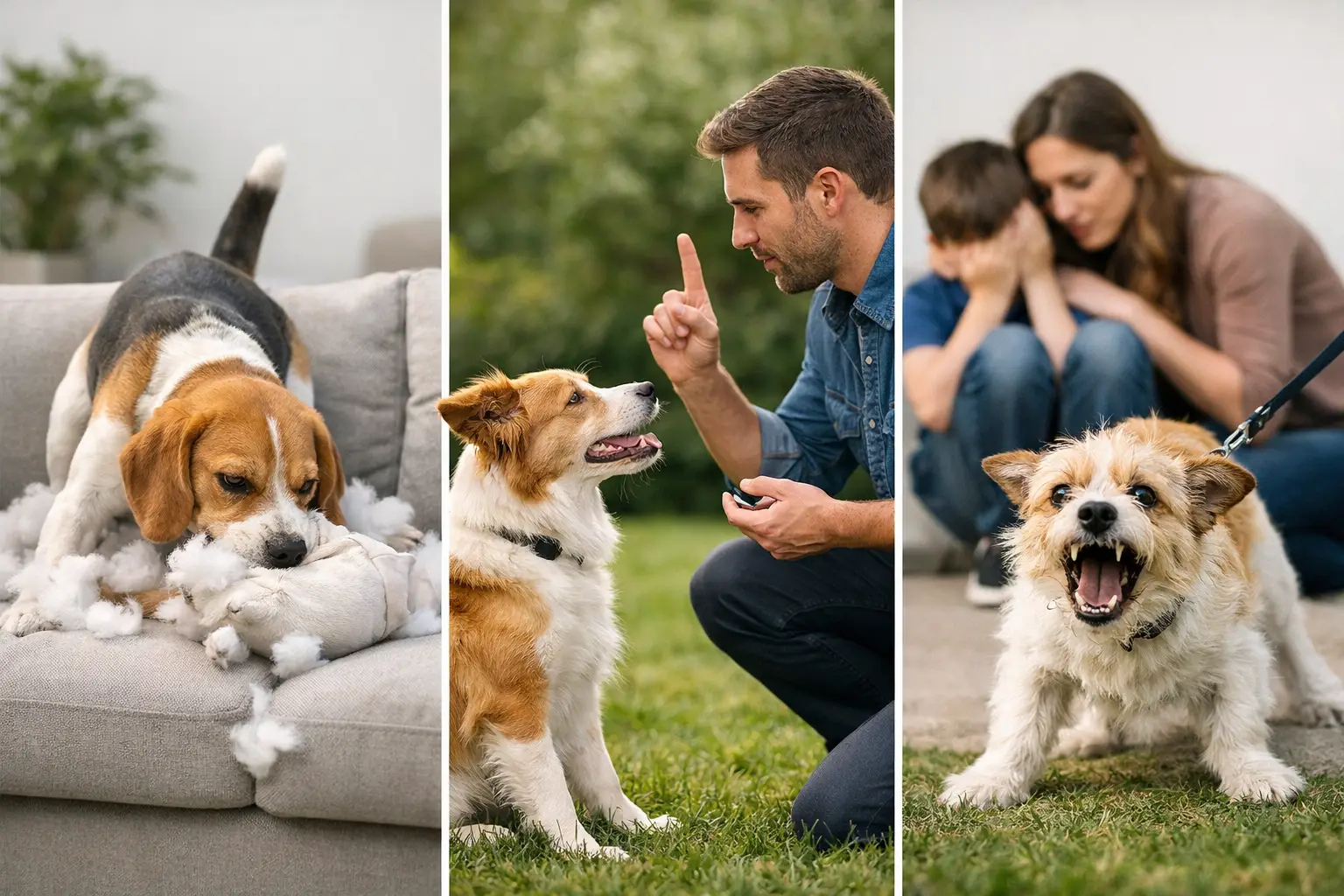
There is also a big difference between a dog who is merely excited and a dog who is anxious or overstimulated. An eager dog may pull toward everything. A nervous dog may surge, scan, and hit the end of the leash because the environment feels too intense. If you miss that difference, training gets slower because you end up treating stress like disobedience.
That is why a better question than “How do I make my dog stop pulling?” is “What is driving the pulling right now?” Excitement, habit, lack of clarity, excess energy, and stress can all be part of it. The solution is still training, but the pace and setup should match the dog in front of you.
How to stop leash pulling with a simple system
You do not need ten techniques. You need one clear rule your dog can understand: tight leash makes progress stop, loose leash makes progress continue.
Start in a low-distraction area like your driveway, hallway, backyard, or a quiet patch of sidewalk. If you begin in the middle of your dog’s favorite busy route, you are asking for self-control your dog has not built yet.
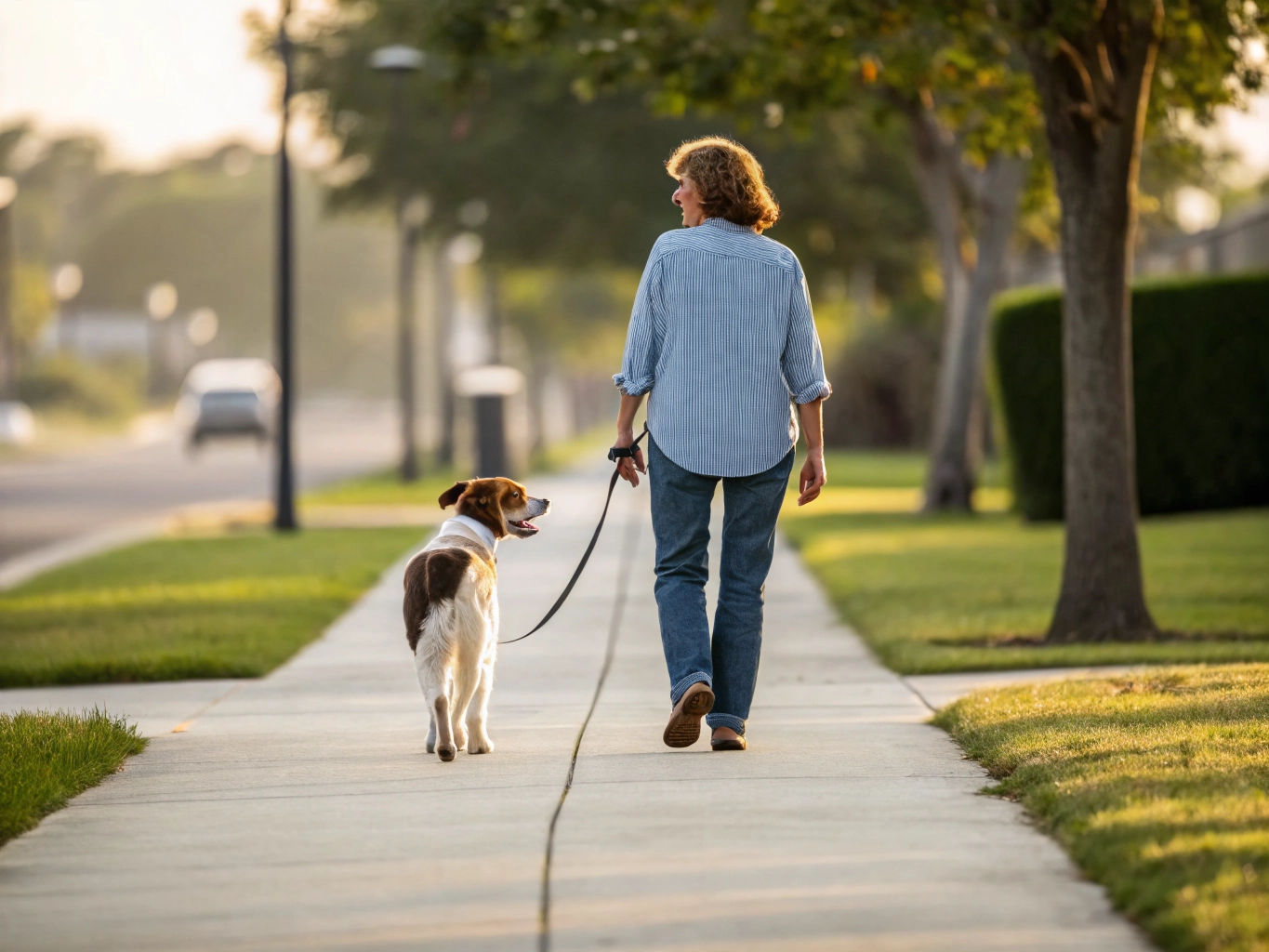
Hold the leash short enough that your dog cannot build momentum, but not so short that your dog feels trapped. The moment your dog moves ahead and creates tension, stop walking. Do not yank back. Do not lecture. Just stop. The leash going tight should be the thing that ends forward motion.
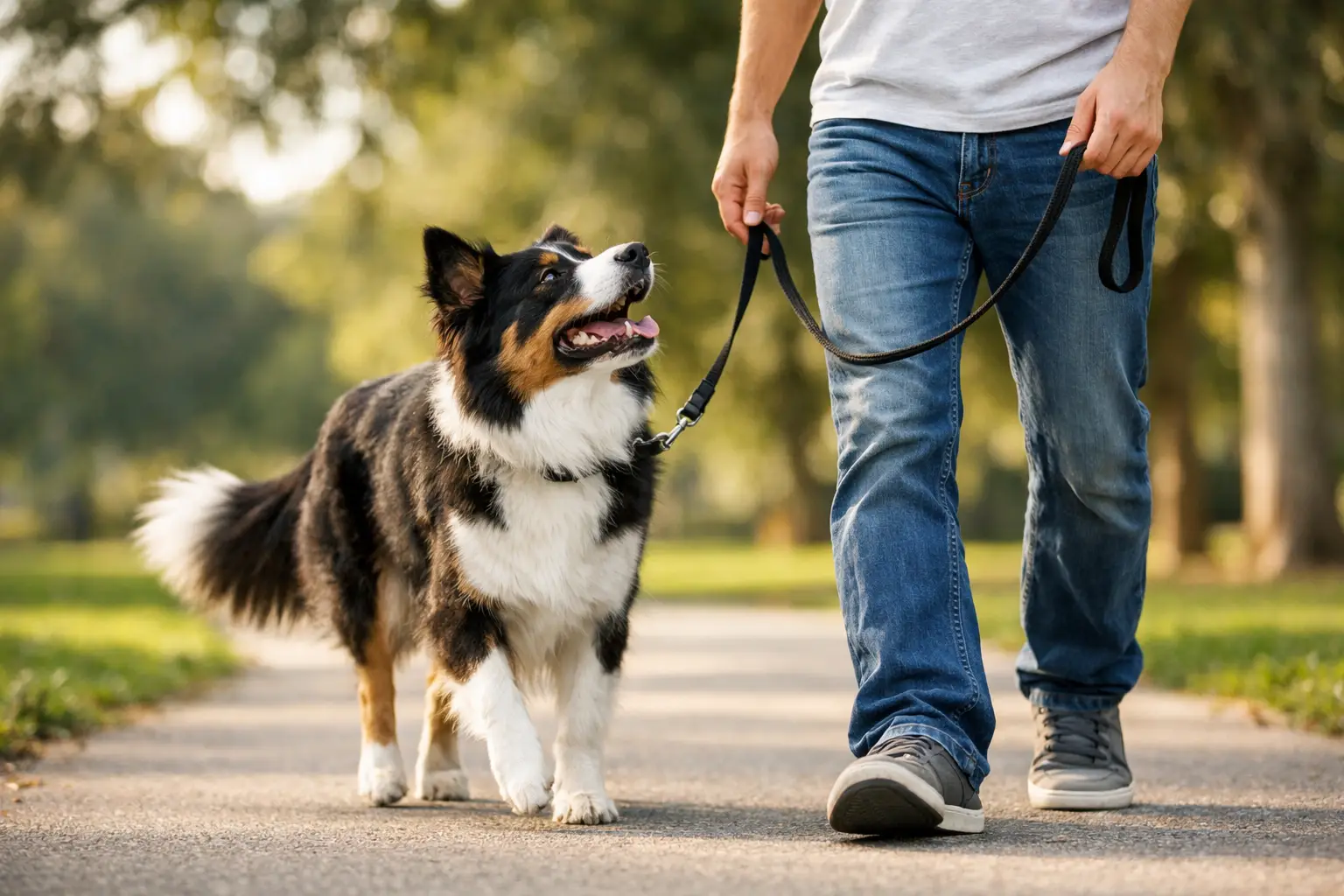
The second your dog releases that pressure by turning back, shifting toward you, or creating slack, move forward again. That forward movement is the reward. If your dog checks in with you, praise warmly and keep going. If your dog stays near your side for a few steps, reward that with food, praise, or access to the environment.
This is where many owners lose progress. They stop when the dog pulls, but then they start walking again while the leash is still tight. That teaches the dog to pull, pause, and pull again. Be precise. Loose leash earns movement. Tight leash stops it.
Reward the walk you want
If you only react when your dog is wrong, training feels like constant correction. It is much faster to show your dog what works.
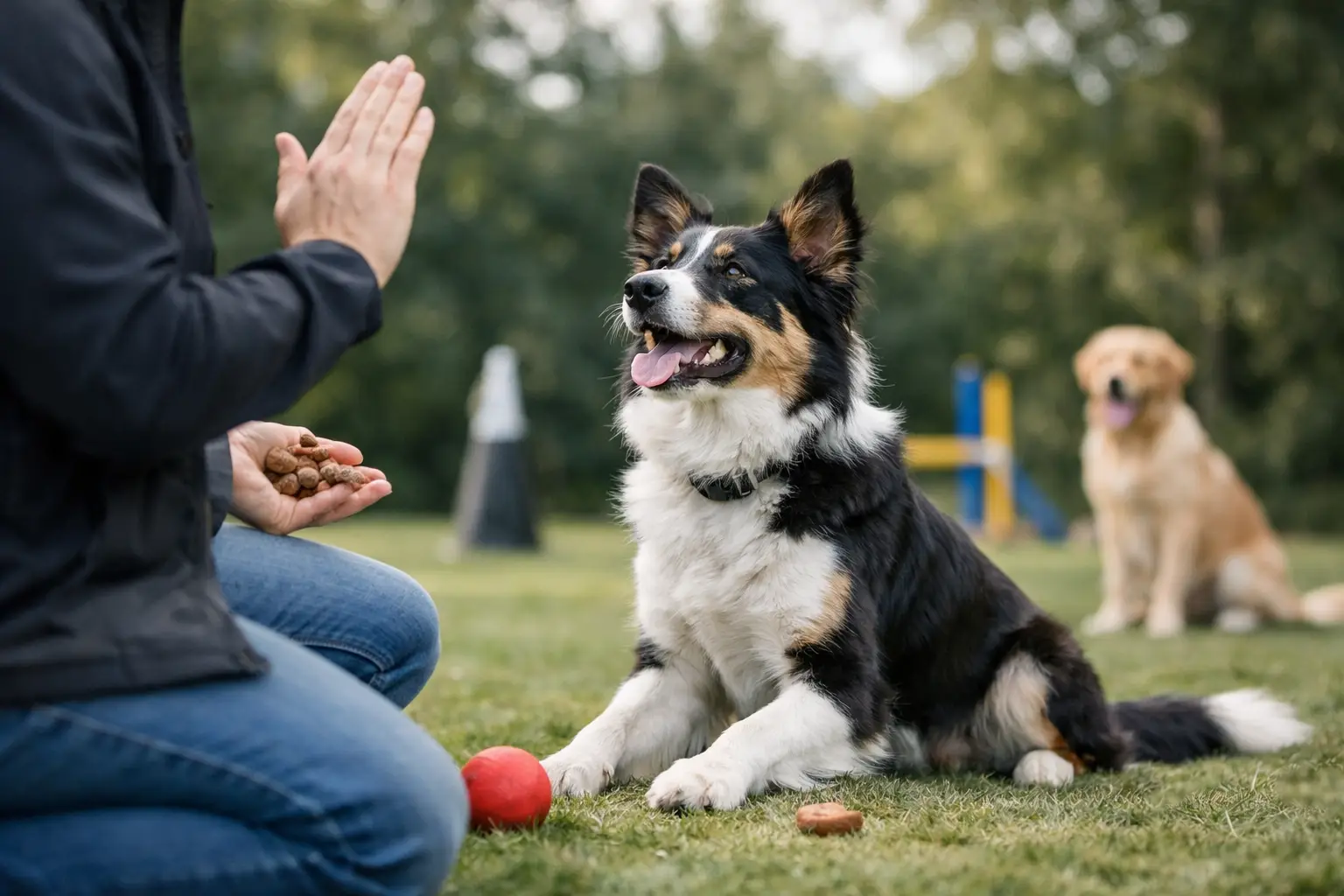
Pay attention to the moments your dog is in position, even briefly. If your dog is next to you with a soft leash, mark it with a simple “yes” or praise and reward. At first, reward often. This is not spoiling your dog. It is building a pattern.
Food rewards help because they let you create a lot of repetition quickly. For some dogs, movement is even more powerful. Reaching a tree, being released to sniff, or continuing down the sidewalk can become the reward. The best results usually come from using both. Give treats for attention and position, then reward your dog by moving forward to something interesting.
If your dog only walks well when food is visible, that is not a sign treats are bad. It is a sign the behavior is not fluent yet. Keep practicing, then gradually space out rewards as your dog improves.
Change direction before your dog commits
One of the fastest ways to clean up walks is to stop walking in a straight line like a passenger. Become active.
When your dog starts to forge ahead, turn and go the other way before the leash goes fully tight. This helps in two ways. First, your dog starts paying attention because your movement matters. Second, it interrupts the habit of dragging you forward to every interesting thing.
Your timing matters here. If your dog is already lunging hard toward something exciting, a direction change may be too late. In that case, create more distance first. Better decisions happen when your dog is under control, not over threshold.
This is also why short training walks often work better than long frustrating ones. Ten focused minutes can teach more than forty minutes of rehearsing bad habits.
Use the right gear, but do not expect gear to train the dog
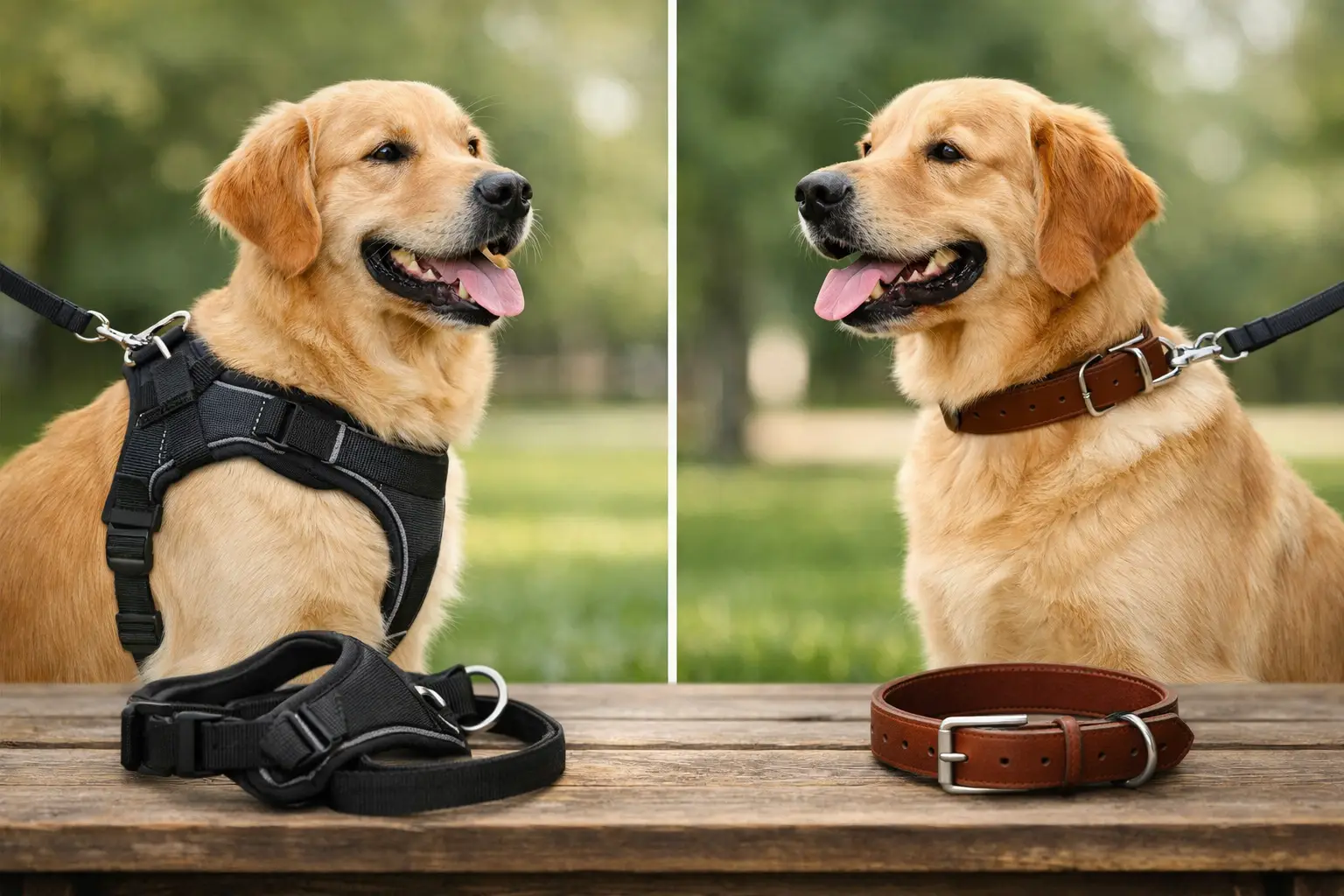
Equipment can help, but it is not the whole answer. A standard flat collar is fine for many dogs, but a front-clip harness often gives owners more control without putting pressure on the neck. For strong pullers, that can make practice safer and more consistent.
What gear should not do is become your plan. A tool might reduce pulling in the moment, but if your dog still believes that charging ahead works, the behavior will show up again. Training changes the habit. Equipment only supports it.
Skip retractable leashes for this process. They teach the dog that tension is normal and that pulling creates more freedom. That is the exact opposite of what you are trying to build.
Common mistakes that keep dogs pulling
The biggest mistake is inconsistency. If your dog pulls for twenty steps and still gets to the fire hydrant, the pulling was rewarded. Dogs learn from outcomes, not intentions.
The second mistake is asking for too much too soon. Owners often practice once in the living room, then head straight to a crowded park. If your dog cannot focus in that environment, it does not mean the training failed. It means the environment is harder than your dog’s current skill level.
Another common problem is trying to tire the dog out with the very walk that is falling apart. Yes, exercise matters. But if your dog is exploding out the front door every day, you may need to take the edge off first with a little play, basic obedience, or food puzzle work before expecting a clean walk.
Finally, avoid turning the walk into a steady stream of nagging. Repeating “heel, heel, heel” while your dog ignores you does not create clarity. A clear consequence and a clear reward do.
What to do if your dog pulls toward dogs, people, or squirrels
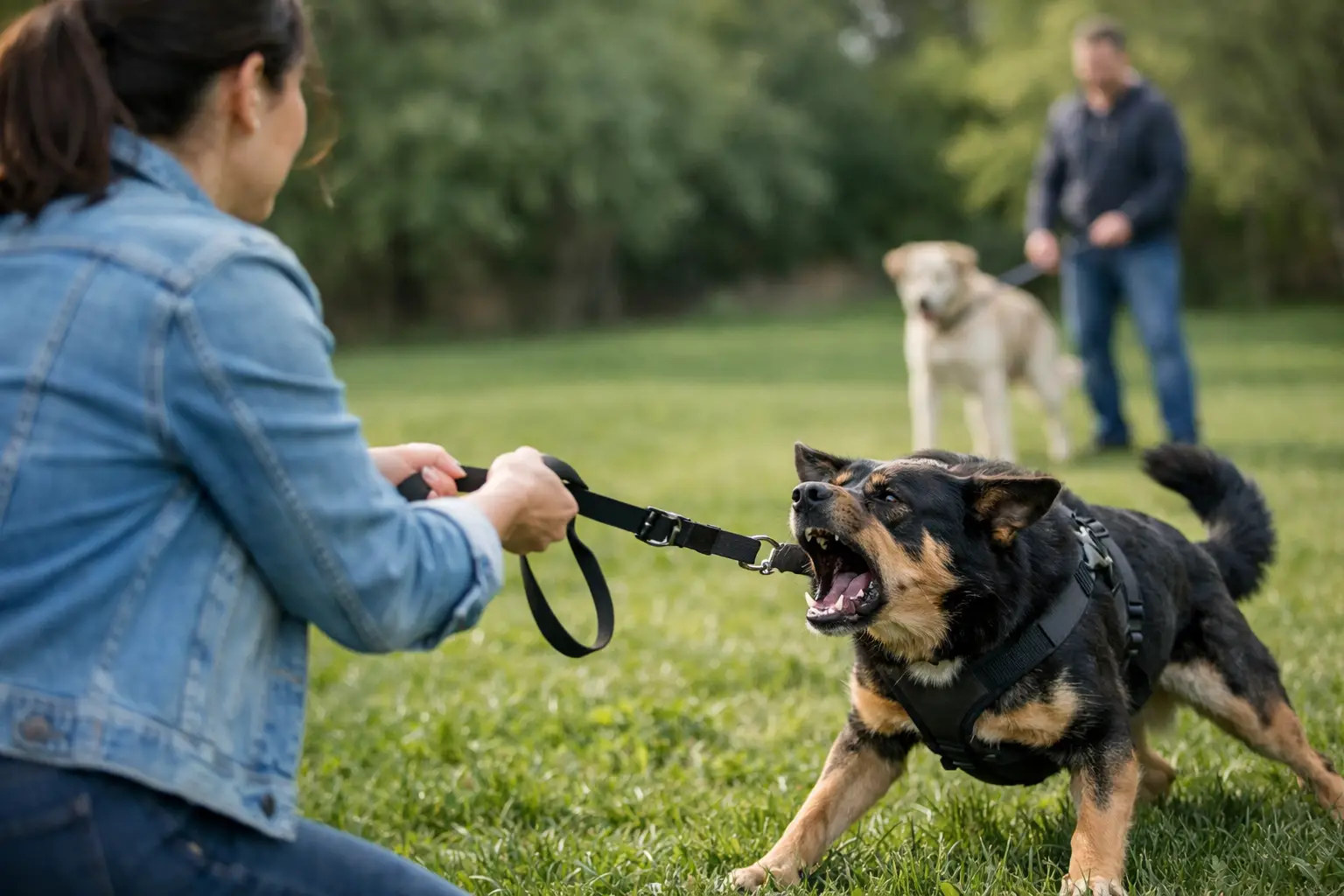
This is where “how to stop leash pulling” gets more specific. Pulling toward distractions is not always just bad leash manners. Sometimes it is overexcitement. Sometimes it is frustration. Sometimes it is fear.
If your dog loses its mind around dogs or people, create more distance and work there. Reward attention on you. Reward calm behavior. Let your dog succeed at a level where it can still think.
Do not force your dog closer just because you want to prove a point. If your dog is locked in, barking, whining, or lunging, learning is already dropping off. Distance is not giving in. Distance is what makes training possible.
For prey triggers like squirrels, your first job is management. Notice them before your dog does when possible. Increase distance, change direction, and reward your dog heavily for choosing you. If your dog is already at full speed, your window was missed. Reset and try again earlier next time.
How long it takes to fix leash pulling
That depends on how long your dog has practiced it, how consistent you are, and how difficult your walking environment is. Some dogs improve noticeably in a few sessions. Others need several weeks of steady work before walks feel easy.
The good news is that owners usually see progress before the behavior is perfect. The leash gets looser more often. Check-ins happen faster. Recovery after distractions improves. Those are real wins. Do not ignore them just because your dog is not finished yet.
If you have tried random tips and nothing has stuck, that usually means you need more structure, not more force. A dog that pulls is not stubborn beyond help. More often, the rules have been unclear or inconsistent. Once the pattern changes, the walk changes.
At Optimist Dog, we like training that ordinary owners can actually use day after day. That is what works. Keep your rule simple, practice where your dog can succeed, and be more consistent than the habit you are trying to replace. Your dog does not need a perfect walk tomorrow. Your dog needs enough clear reps to understand that staying with you is what gets them where they want to go.
Learn how to calm an overexcited dog with simple routines that reduce jumping, barking, and wild energy while building better self-control at home now.



Comments (8)