Helping You Raise a Calm, Happy & Well-Behaved Dog
Beginner Guide to Puppy Obedience That Works
Sara Michael,
Sharing is caring 😉
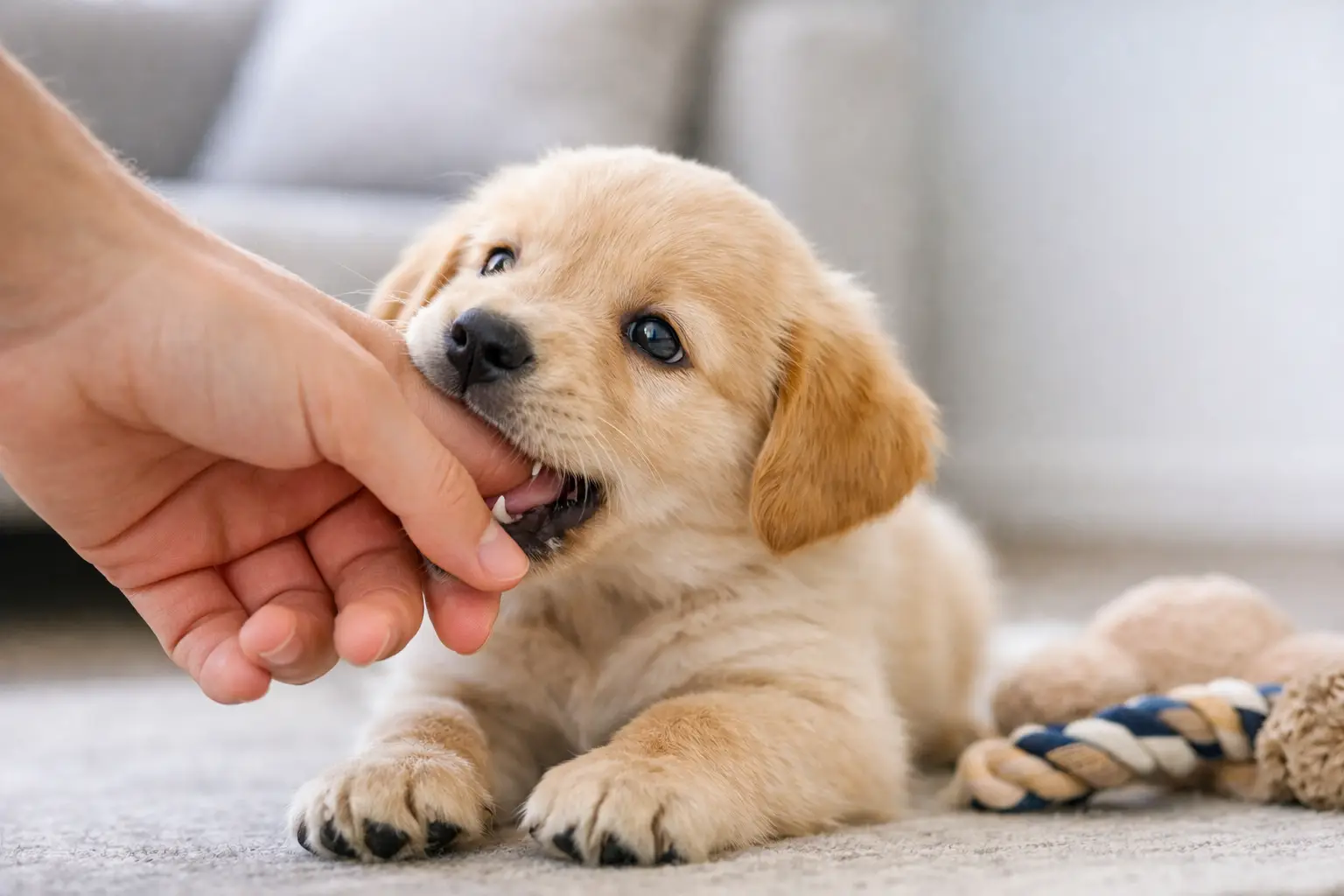
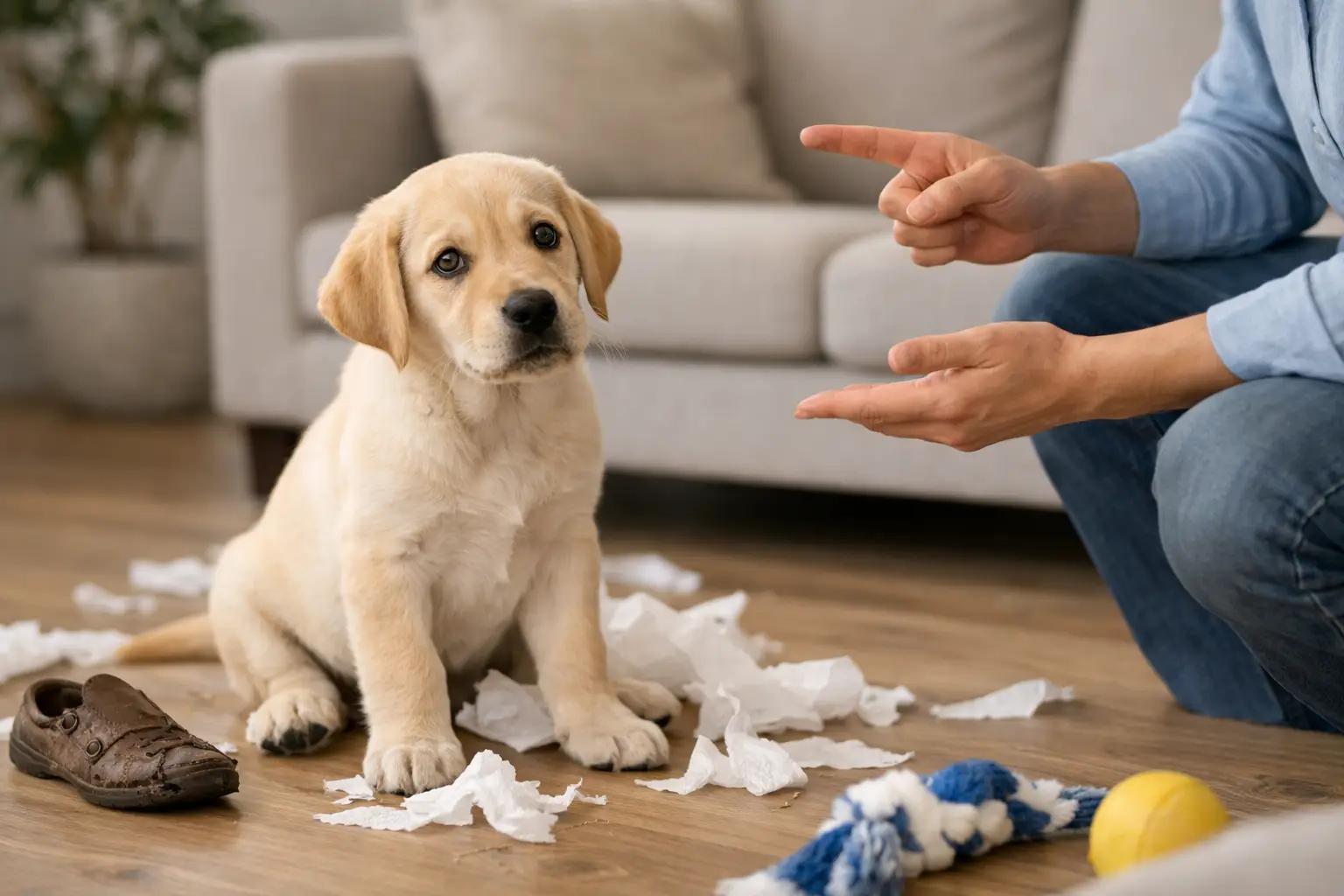
The first week with a puppy can feel like chaos with fur. One minute they are asleep in your lap, and the next they are biting your shoes, ignoring their name, and sprinting away with a sock. A good beginner guide to puppy obedience should make that stage feel manageable, not confusing. The goal is not a perfect puppy in seven days. The goal is clear structure, fast wins, and habits that make good behavior easier every week.
Puppy obedience is not just teaching commands. It is teaching your dog how to live with you. That means learning to pay attention, follow simple guidance, settle down, and make better choices around everyday distractions.
This matters because most behavior problems do not start as big problems. They start small. A puppy that ignores their name today can become the adolescent dog that blows off recall later. A puppy that practices jumping, biting, and dragging you on leash gets better at those things too. Training early does not need to be harsh or complicated. It just needs to be consistent.
For beginners, that is good news. You do not need special talent. You need a plan your puppy can understand.
The best beginner guide to puppy obedience starts with 3 rules
Before you teach sit, down, or stay, set the foundation. These three rules will speed up everything else.
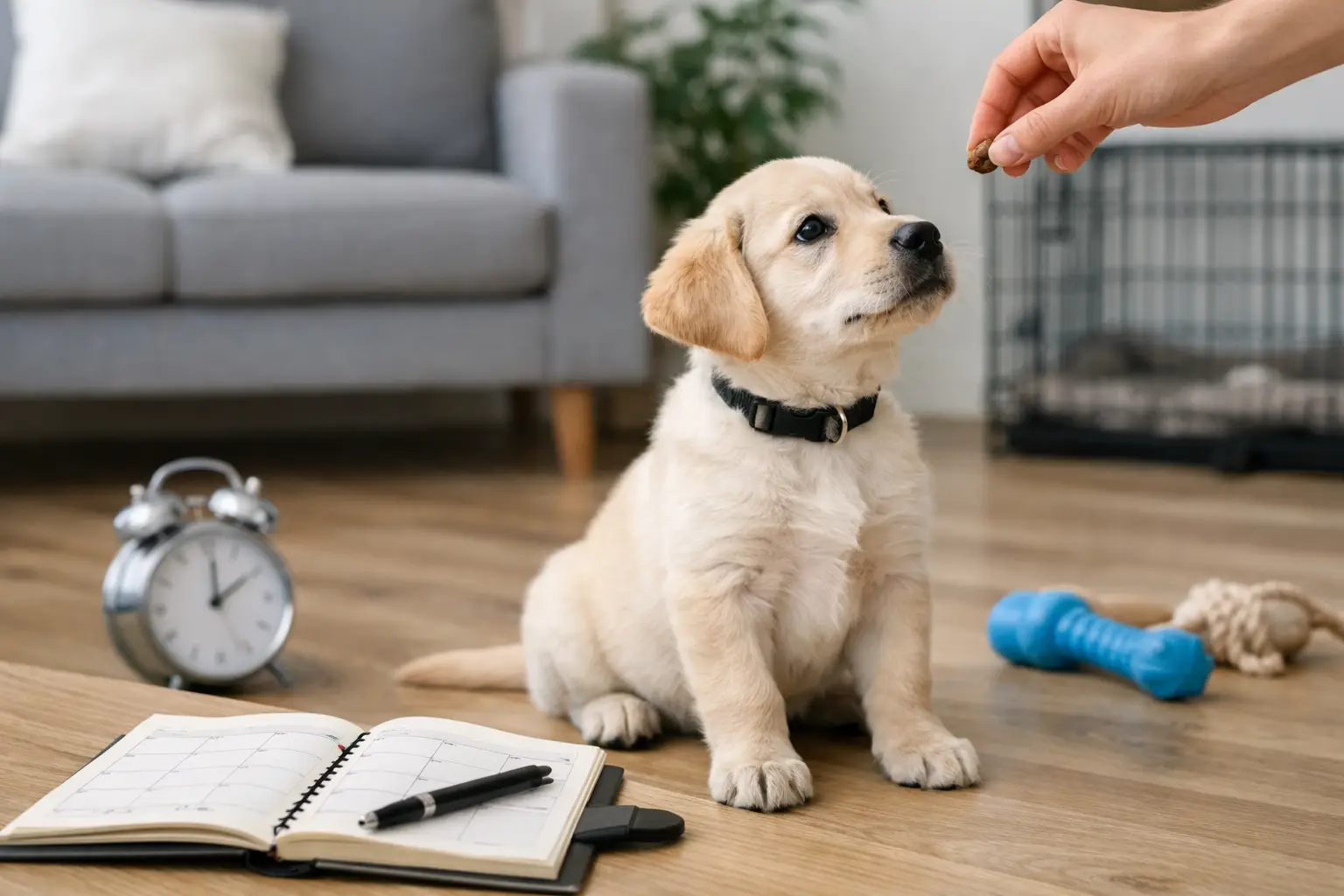
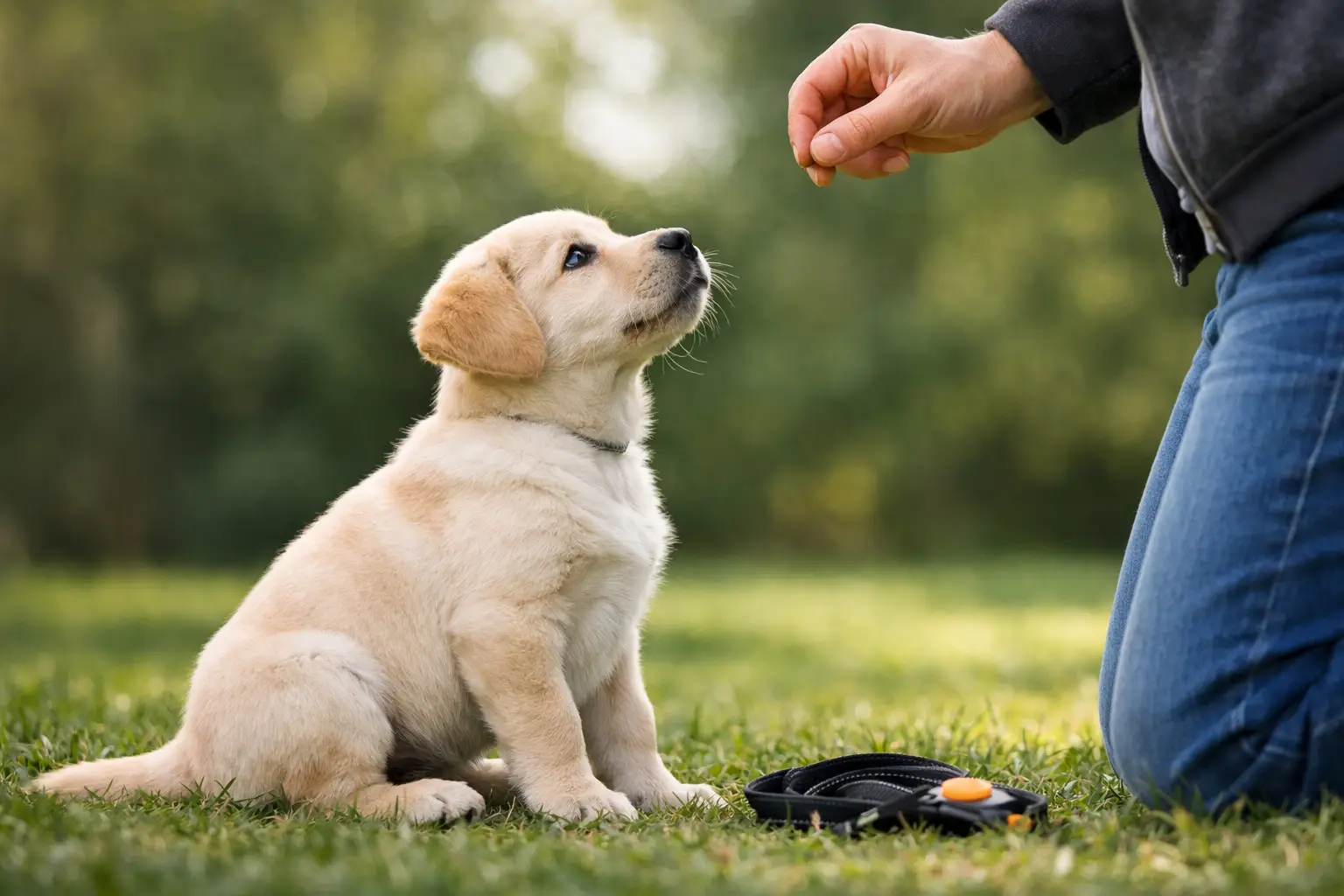
First, reward what you want right away. Puppies learn from timing. If your puppy sits and you praise five seconds later, they may think they are being rewarded for standing up or barking. Be quick. Mark the behavior with a cheerful yes, then reward.
Second, prevent bad reps. If your puppy gets to ignore you ten times in a row, that becomes part of their training too. Use a leash indoors when needed, close doors, pick up tempting objects, and keep sessions simple enough that your puppy can succeed.
Third, train in tiny sessions. Most puppies do best with one to three minutes at a time. Short training works because their attention is short. You are building momentum, not testing endurance.
Start with attention before commands
A lot of owners rush into cue words. Sit. Stay. Come. But if your puppy is not tuned in to you, those words mean very little.
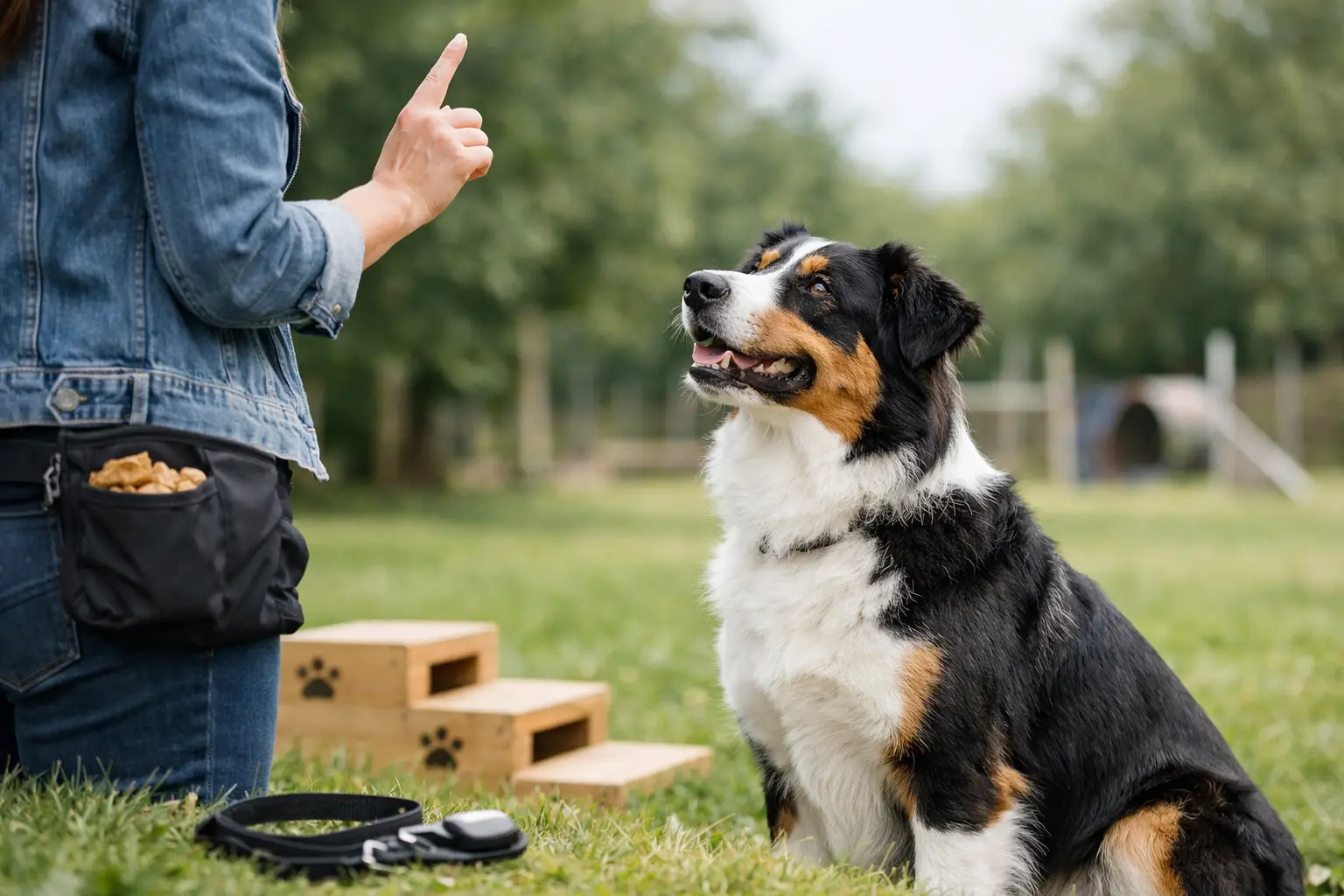
Start by teaching that paying attention pays off. Say your puppy’s name once. The moment they look at you, mark it and reward. Do this in the kitchen, in the yard, and during normal life. You are building a habit of checking in.
This may look too simple to matter, but it matters a lot. Attention is the engine behind obedience. Without it, every command feels like a negotiation.
Once your puppy is reliably looking at you when you say their name, you can begin adding basic skills.
Teach these puppy obedience basics first
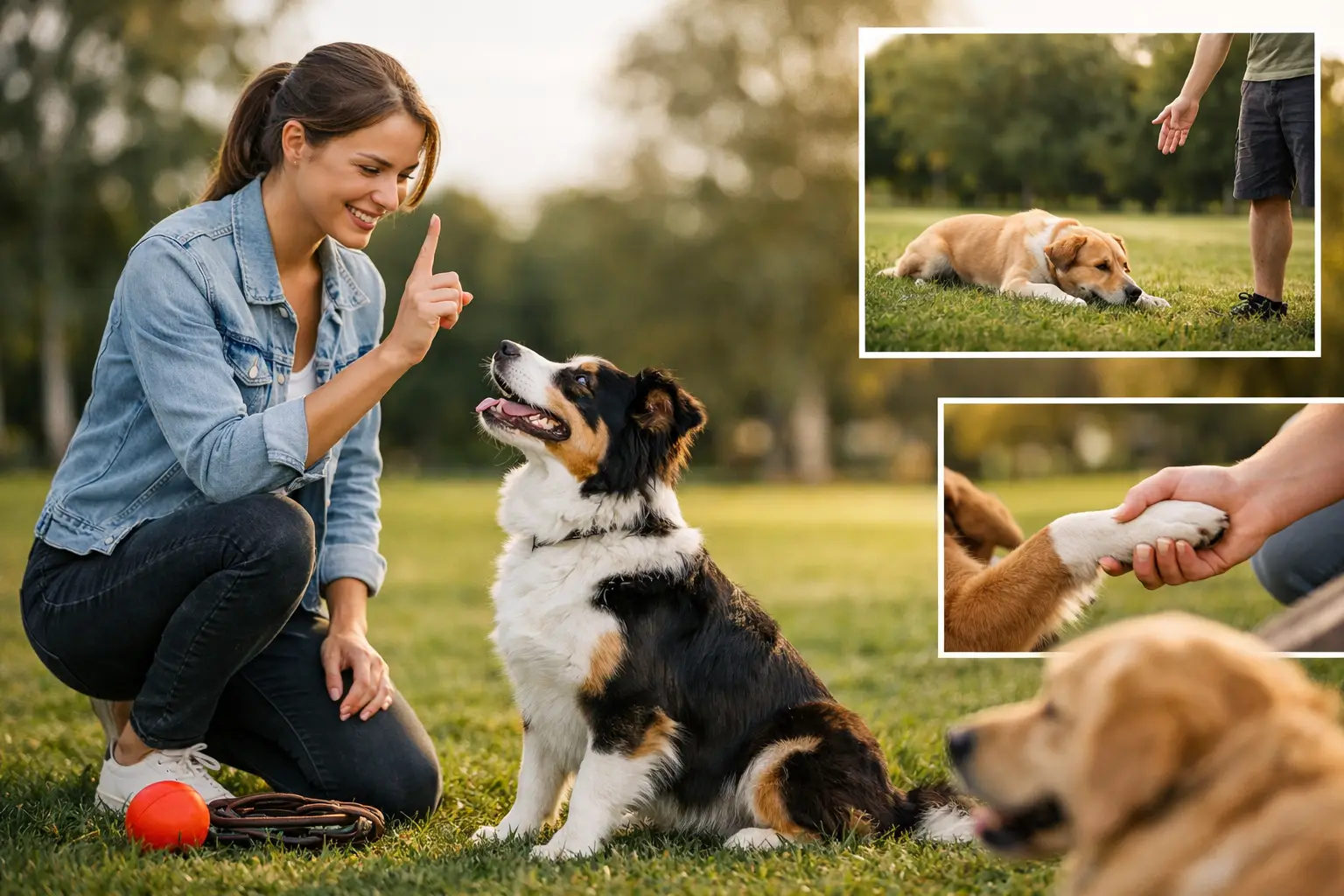
Sit
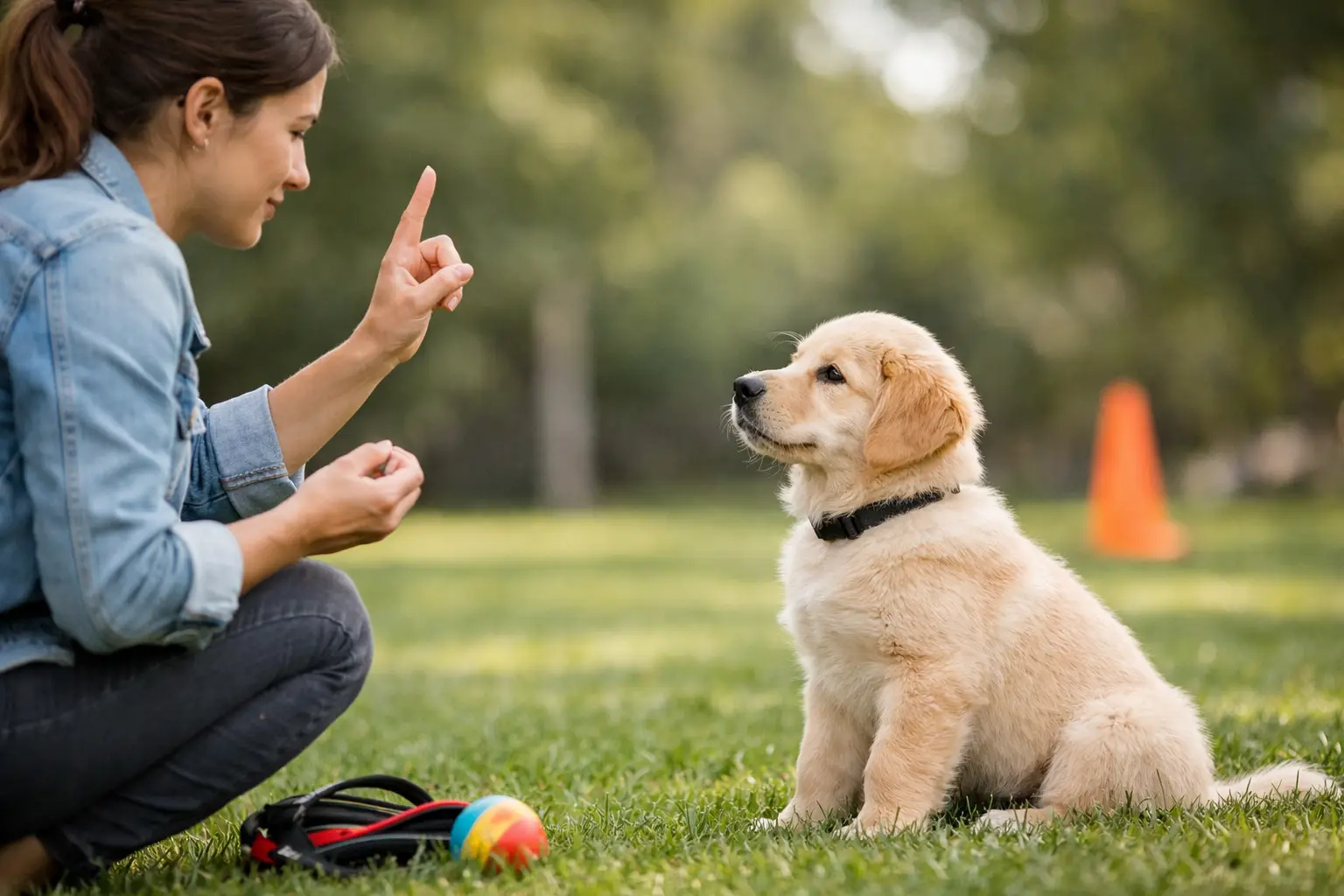
Sit is often the easiest first behavior because many puppies offer it naturally. Hold a treat near your puppy’s nose and slowly move it up and back. As their head follows the treat, their rear usually drops. The second they sit, mark and reward.
Do not repeat the cue over and over. Wait until the motion is predictable, then add the word sit just before the movement. After a few short sessions, start using sit in real life, like before meals or before going outside. That is how a trick becomes obedience.
Come
Recall is one of the most valuable skills your dog will ever learn, and one of the easiest to weaken by accident. In the beginner stage, make coming to you feel amazing.
Start at close range. Crouch down, say your puppy’s name and come in a happy tone, then reward generously when they reach you. Back away a little to encourage movement. Keep it fun.
The trade-off here is important. You want to practice often, but not when your puppy is unlikely to succeed. Do not start recall in the middle of a major distraction and expect a great result. Build it gradually so the cue stays strong.
Down
Down helps with calmness, but it can be harder than sit for some puppies. Lure from the nose down to the floor, then slightly out. When elbows hit the ground, mark and reward. Some puppies get this quickly. Others pop back up or try to nibble your hand. Be patient and keep sessions short.
Stay, but keep it realistic
Many beginners ask for too much too early. A puppy stay is not a one-minute freeze while you walk across the room. At first, stay may only mean one second of stillness. That is fine.
Ask for a sit or down, pause briefly, mark, and reward before your puppy moves. Build duration one small step at a time. If your puppy keeps breaking position, the training is not failing. The step is just too big.
Leash walking
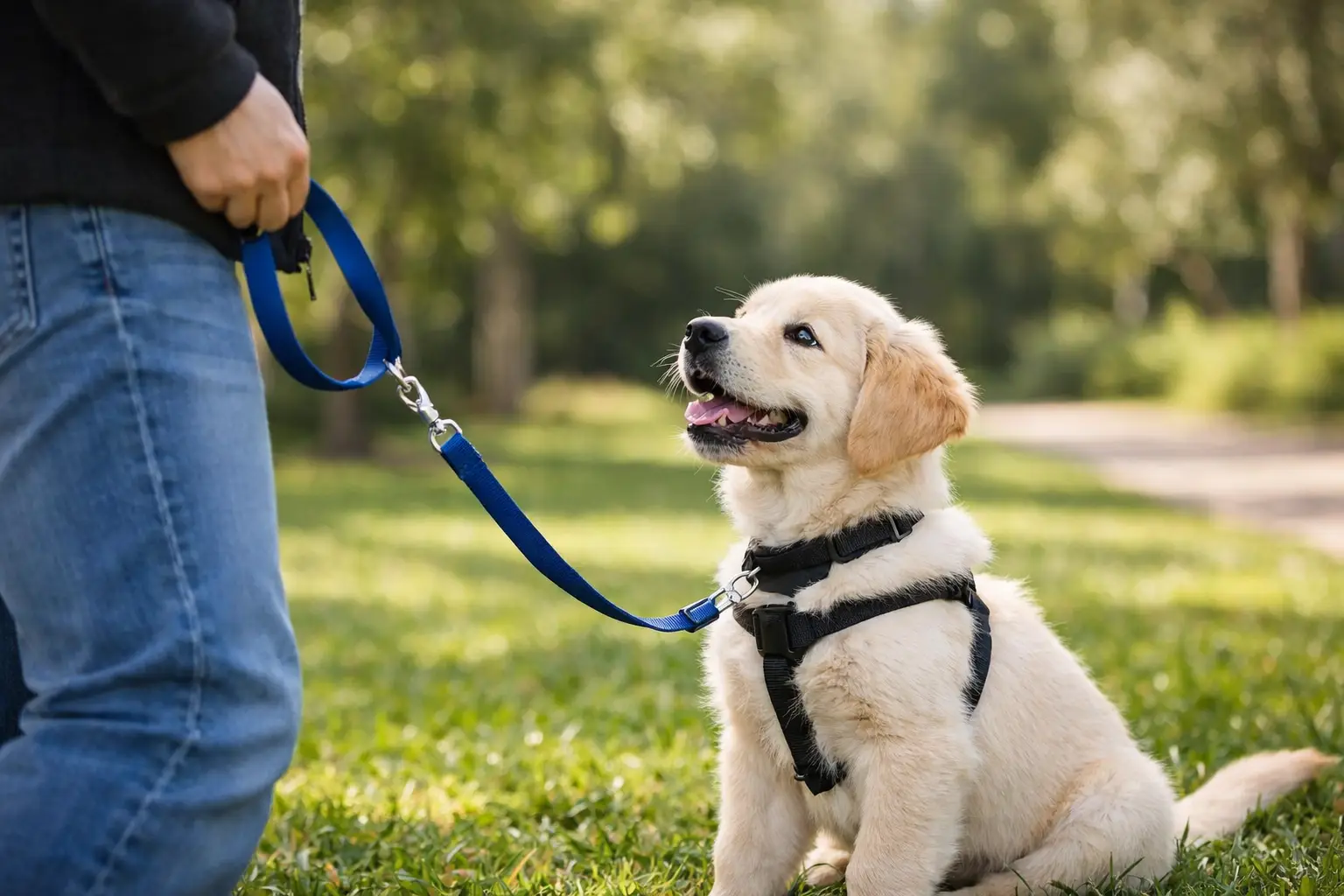
Loose-leash walking starts indoors or in a quiet area, not on a busy sidewalk. Reward your puppy for being next to you with a loose leash. Take a few steps, reward, and stop before they lose focus.
If your puppy pulls, avoid turning the walk into a strength contest. Stop moving, get their attention, and reward position near you. Progress can feel slow here, but early leash habits save you a lot of frustration later.
Use obedience during daily life
The fastest way to build reliable behavior is to stop treating training like a separate event. Your puppy eats every day, goes through doors, gets attention, plays, and goes outside. Those are all training opportunities.
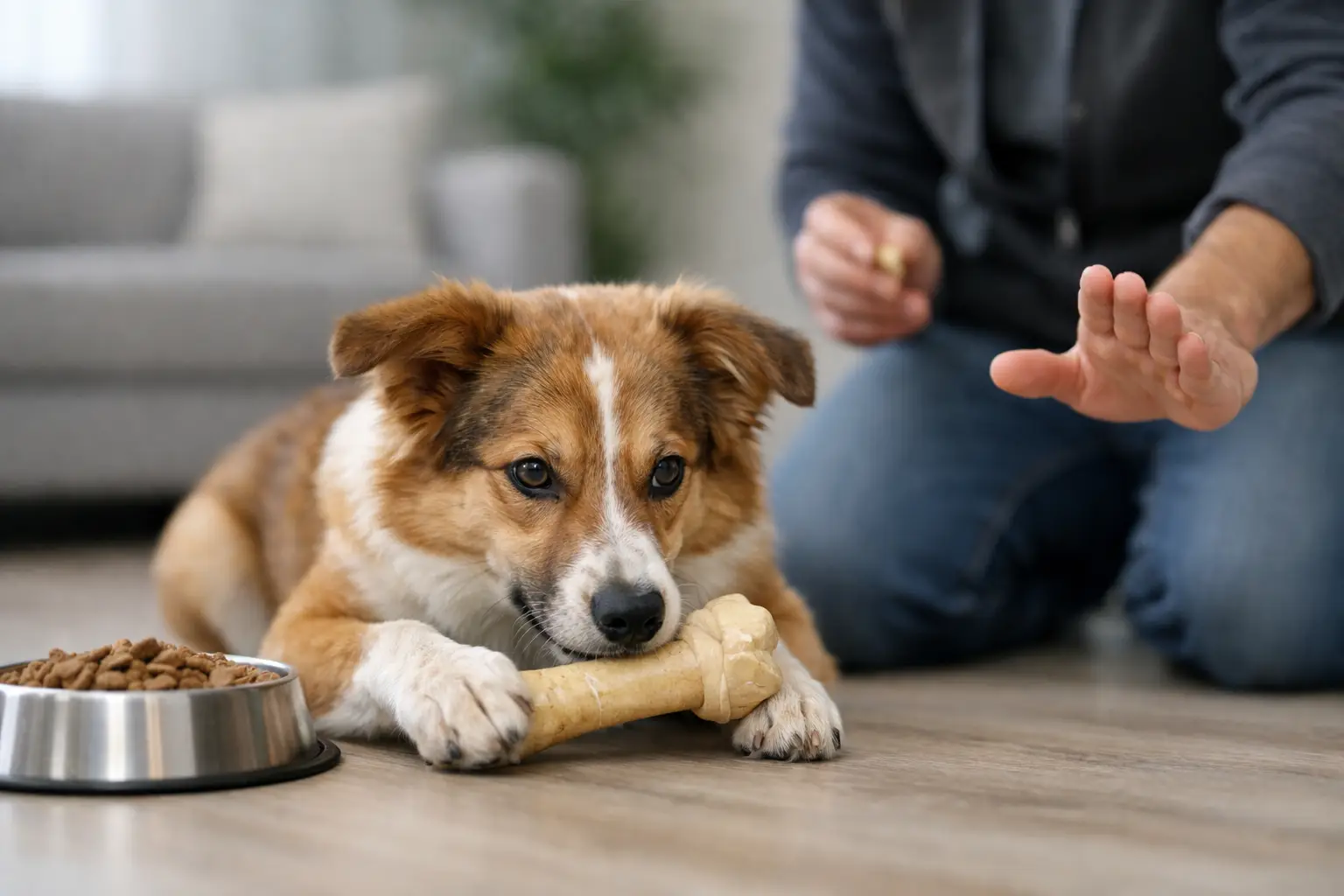
Ask for a sit before putting down the food bowl. Ask for eye contact before clipping on the leash. Reward calm behavior before petting. These little moments add up fast because they happen constantly.
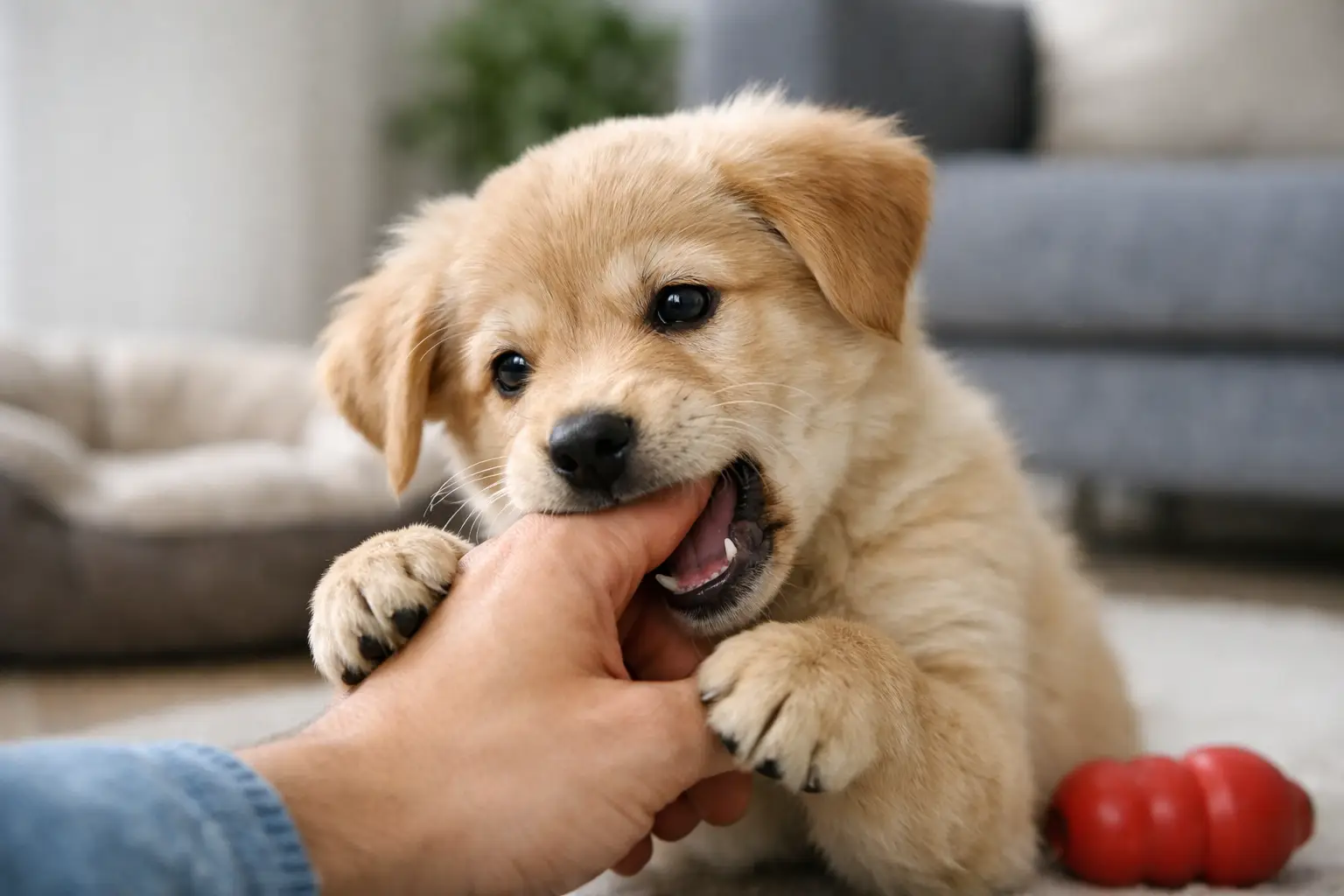
This also helps with common puppy problems. Jumping, nipping, and demand barking often improve when the puppy learns that calm, controlled behavior gets results and frantic behavior does not.
Common mistakes that slow puppy obedience down
One of the biggest mistakes is inconsistency. If jumping is cute one day and not allowed the next, your puppy gets mixed messages. Dogs learn patterns. Clear patterns create faster results.
Another mistake is moving too fast. Owners often see one good sit in the kitchen and assume the puppy knows sit everywhere. They do not. Dogs do not generalize well at first. A behavior learned in the living room may fall apart in the yard. That is normal, not stubbornness.
The third mistake is relying on correction before teaching. A puppy cannot be expected to follow rules they do not understand yet. Focus on showing the behavior, rewarding it, and preventing unwanted practice. That gives you a dog that learns with confidence instead of guessing.
What to do when your puppy ignores you
If your puppy stops listening, do not assume they are being defiant. Usually one of three things is happening. The environment is too distracting, the puppy is too tired or overstimulated, or the skill is not fully learned yet.
Lower the difficulty. Move to a quieter space, shorten the session, or ask for an easier version of the behavior. Success builds speed. Repeated failure builds frustration for both of you.
It also helps to look at basics outside formal training. Is your puppy getting enough sleep? Many puppies act wild and unresponsive when they are overtired. Are you using rewards your puppy actually cares about? Dry kibble may work in a calm room but not outdoors. Better motivation often means better obedience.
How long puppy obedience takes
Most owners want a timeline, which makes sense. You want to know when things get easier. The honest answer is that it depends on your puppy, your consistency, and how often you practice in real life.
You can usually see early progress fast. Many puppies learn name response, sit, and simple recall games within days. Reliable obedience takes longer because reliability comes from repetition in different places, not from one good training session.
Think in phases, not finish lines. First your puppy learns the skill. Then they learn to do it with mild distractions. Then they learn to do it when life gets interesting. That is how obedience becomes dependable.
A simple routine for beginners
If you want structure without overwhelm, keep it basic. Do two or three short training sessions a day. Practice one or two obedience skills each session. Use daily routines to reinforce behavior. Keep rewards easy to deliver and expectations realistic.
That is enough to make real progress. You do not need hour-long drills. You need repetition, clarity, and follow-through.
If you stay patient and consistent, puppy obedience stops feeling random. Your puppy starts looking to you, listening faster, and settling more easily. That shift is what matters most. Start small, stay clear, and give your puppy a system they can actually succeed in.