Helping You Raise a Calm, Happy & Well-Behaved Dog
Puppy Training Schedule That Actually Works
Sara Michael,
Sharing is caring 😉
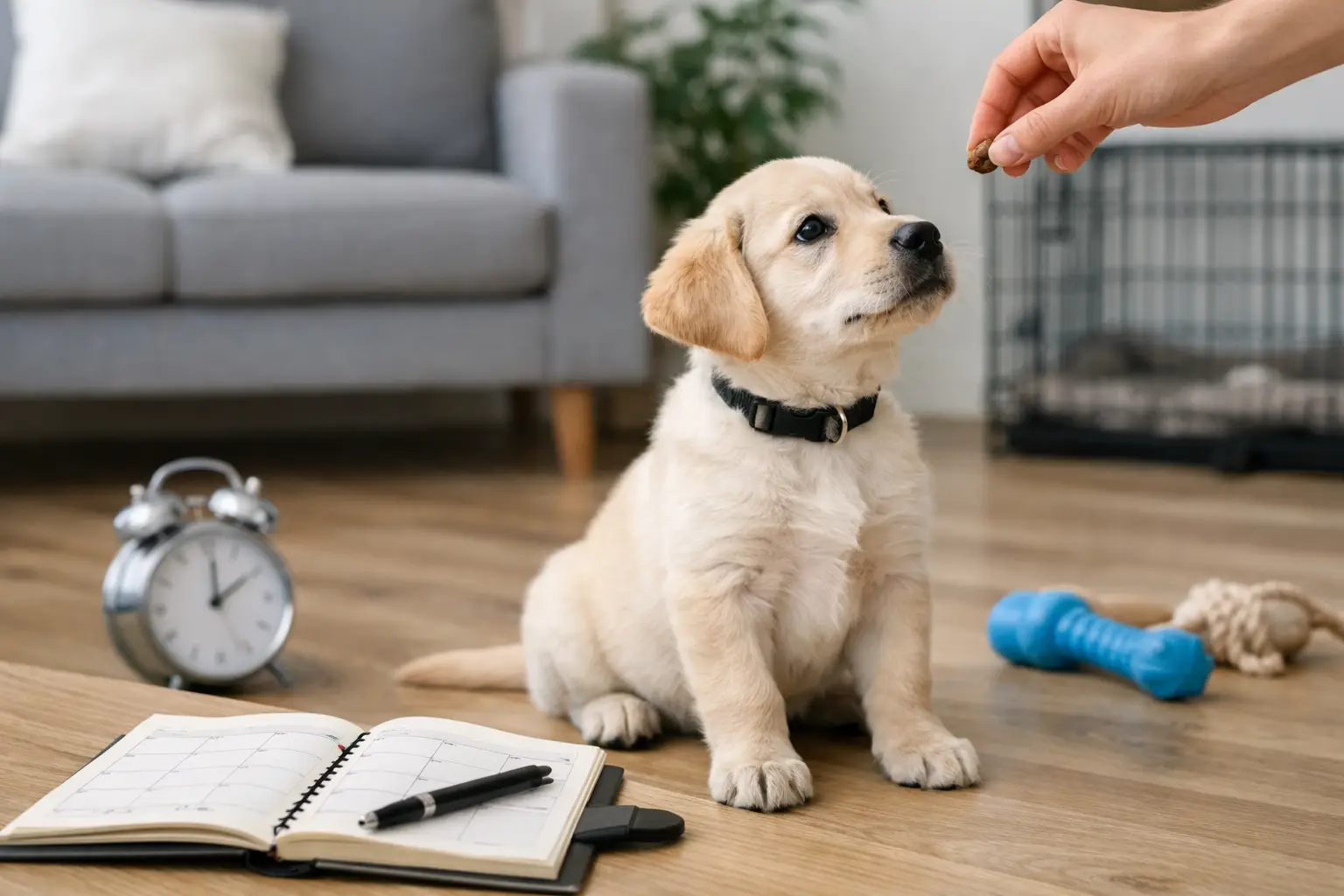
The first week with a puppy usually feels like chaos with fur. One hour they are sleepy and sweet. The next they are biting your shoes, peeing on the rug, and acting like their name is optional. That is exactly why a puppy training schedule matters. It gives your dog clear repetition and gives you a plan you can actually follow when your day gets busy.
Most puppy problems are not caused by stubbornness. They come from inconsistency, bad timing, and expecting too much too soon. A young dog does better with short, predictable training sessions built around sleep, meals, potty trips, and play. When the day has structure, learning gets faster and problem behaviors usually start shrinking on their own.
Puppies learn in patterns. If you practice sitting only when guests come over, your puppy will not get enough repetitions to understand it. If potty trips happen randomly, accidents are going to keep happening. A schedule fixes that by creating frequent chances to reward the right behavior before the wrong behavior becomes a habit.
It also helps you stay realistic. A 10-week-old puppy cannot train like a 6-month-old adolescent. Attention span is short. Bladder control is limited. Energy comes in bursts. Good training respects that instead of fighting it.
The goal is not to pack every hour with drills. The goal is to create a rhythm your puppy can succeed in. That means short sessions, clear expectations, and enough rest. Overtired puppies look wild, mouthy, and unfocused. Many owners think they need more exercise when what the puppy really needs is a nap.
What to include in your puppy training schedule
A strong daily plan covers five things: potty training, crate training or safe confinement, obedience basics, social exposure, and rest. If one of those is missing, you usually feel it fast.
Potty training is the non-negotiable piece. Young puppies need to go out after waking up, after eating, after play, and often between those events. Crate time or supervised confinement prevents your puppy from rehearsing accidents and destructive habits. Obedience basics such as name response, sit, down, come, leash walking, and settling should happen in short bursts instead of one long lesson.
Social exposure matters too, but this is where many owners get sloppy. Socialization does not mean letting your puppy meet every dog at the park. It means carefully showing them the world while keeping experiences safe and positive. New sounds, surfaces, people, car rides, grooming handling, and calm observation all count. And then there is sleep. Most puppies need far more sleep than owners expect, often 16 to 20 hours a day.
A simple daily puppy training schedule
Your exact times will depend on work, family, and your puppy’s age, but the order matters more than the clock. Think in blocks.
Morning block
Your puppy should go outside as soon as they wake up. Do not stop to make coffee first. Carry them if needed. Reward heavily for going in the right place.
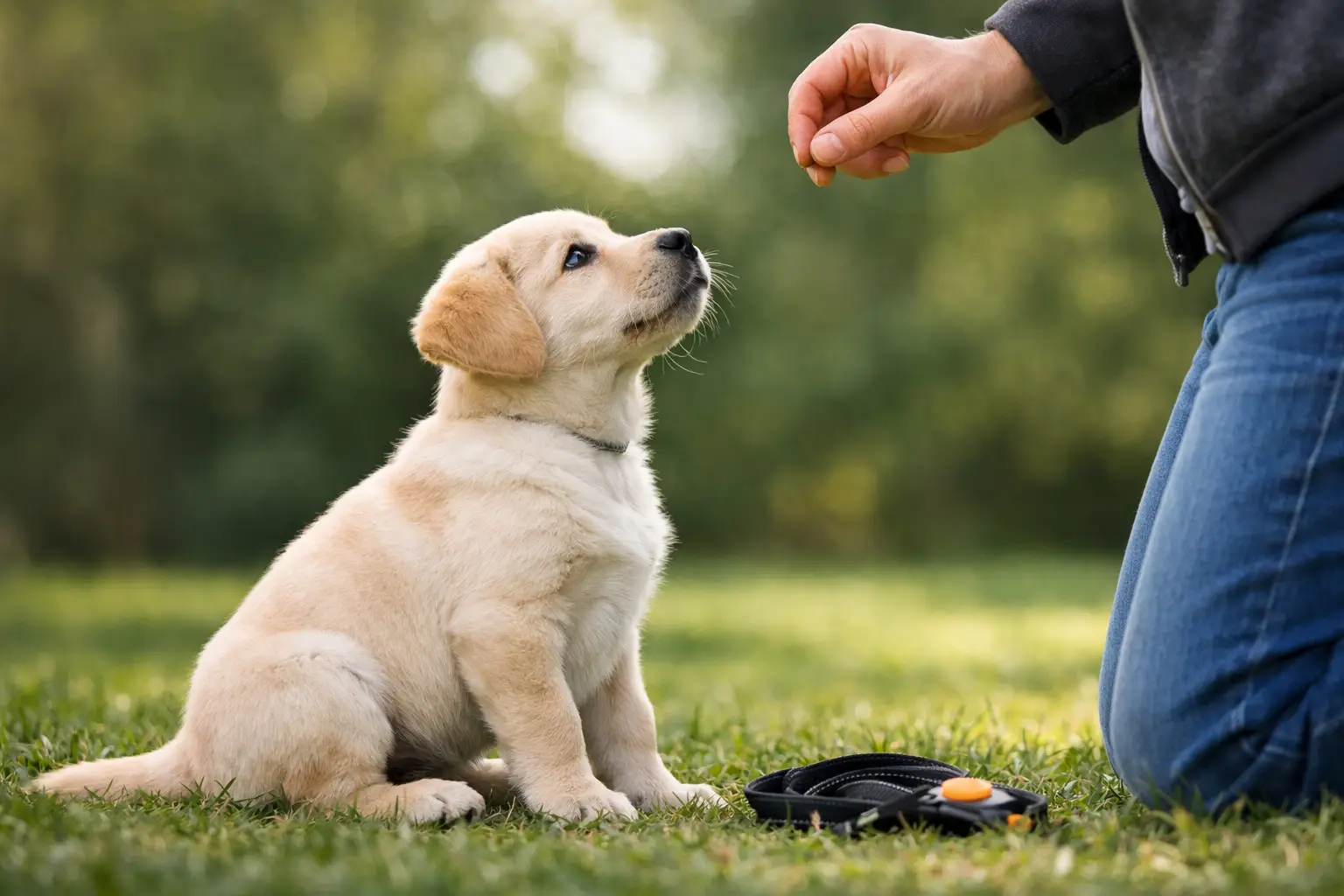
After that, give them a few minutes to move around, then feed breakfast. Right after the meal, take them out again. This is also a great time for a 3 to 5 minute training session. Keep it simple. Practice their name, sit, come from a short distance, or following a food lure into down.
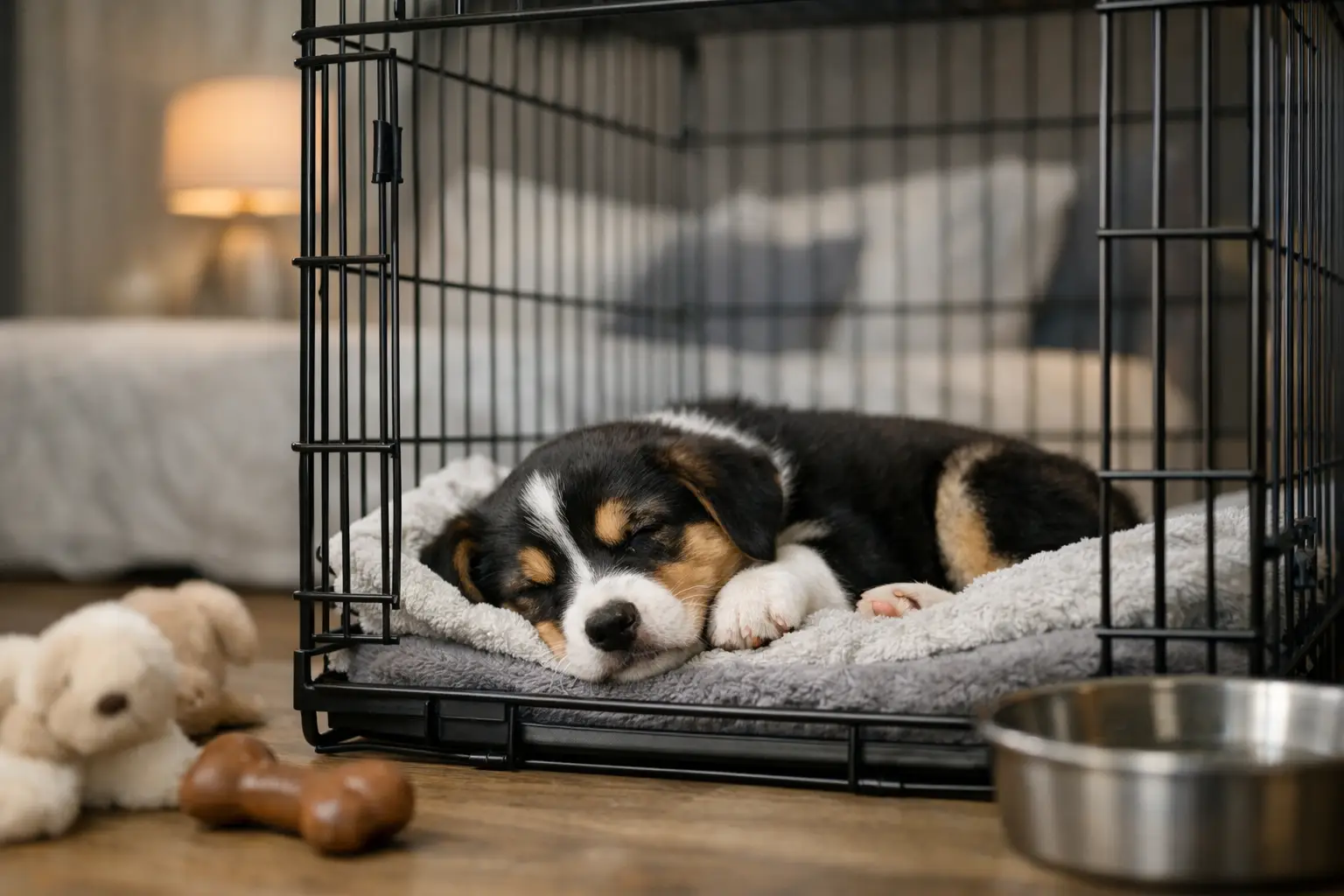
Once that is done, give your puppy a little supervised play or a short walk if age and vaccinations allow for it. Then it is time for rest. Many puppies do best with a nap in a crate or pen after morning activity.
Midday block
When your puppy wakes up, it is outside again. Then give them a short session focused on one skill. This could be leash pressure practice in the yard, handling their paws and ears, or rewarding calm behavior on a mat.
Midday is also a smart time for controlled social exposure. Let your puppy watch people from a distance, hear household noises, or explore a new surface like grass, gravel, or a wobble board. Keep sessions short and positive. End before your puppy gets overwhelmed.
After some activity, your puppy needs another rest period. This is where many accidents and biting frenzies start if owners keep the puppy awake too long.
Evening block
Feed dinner, then head out for another potty trip. Do a short training session before your puppy gets too tired. Evening is a great time to work on impulse control, such as waiting at a door, trading toys, or settling with a chew near the family instead of zooming through the house.
You can add a little play here, but avoid turning the evening into a free-for-all. If your puppy gets extra wild at night, that is usually a sign they are overtired or overstimulated. Wind the day down with calm activity, one final potty break, and a predictable bedtime.
How long each session should be
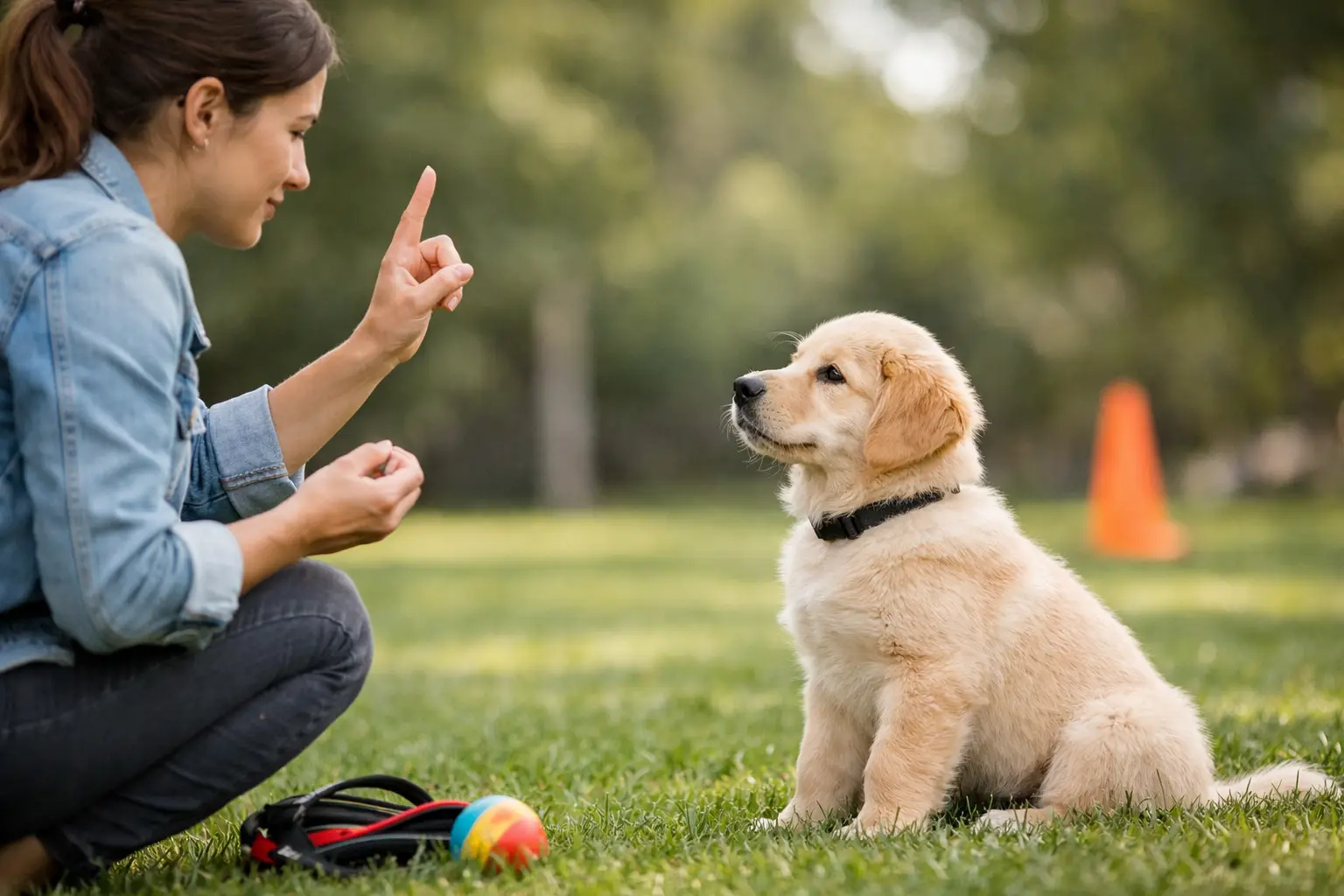
Short wins. For most young puppies, 3 to 5 minutes of focused work is plenty. You can do that several times a day and get far better results than one 20-minute session.
If your puppy is still engaged, you can sometimes go a little longer. But do not wait for them to fail before ending. Stop while they are succeeding. That keeps training upbeat and prevents the sloppy reps that confuse dogs.
The same rule applies to social exposure. A good experience that lasts two minutes is more useful than a stressful one that drags on for fifteen.
What to train by age
8 to 12 weeks
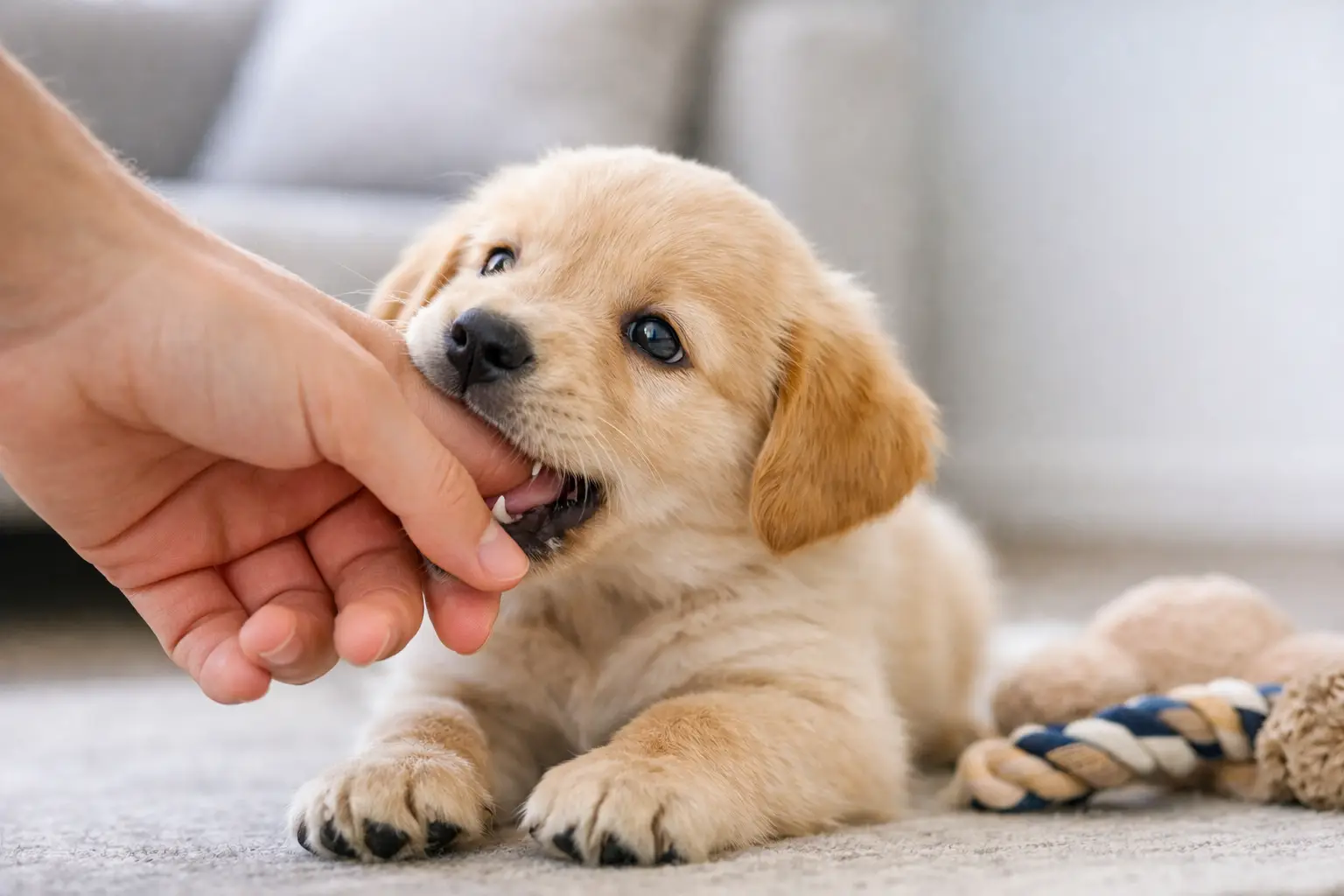
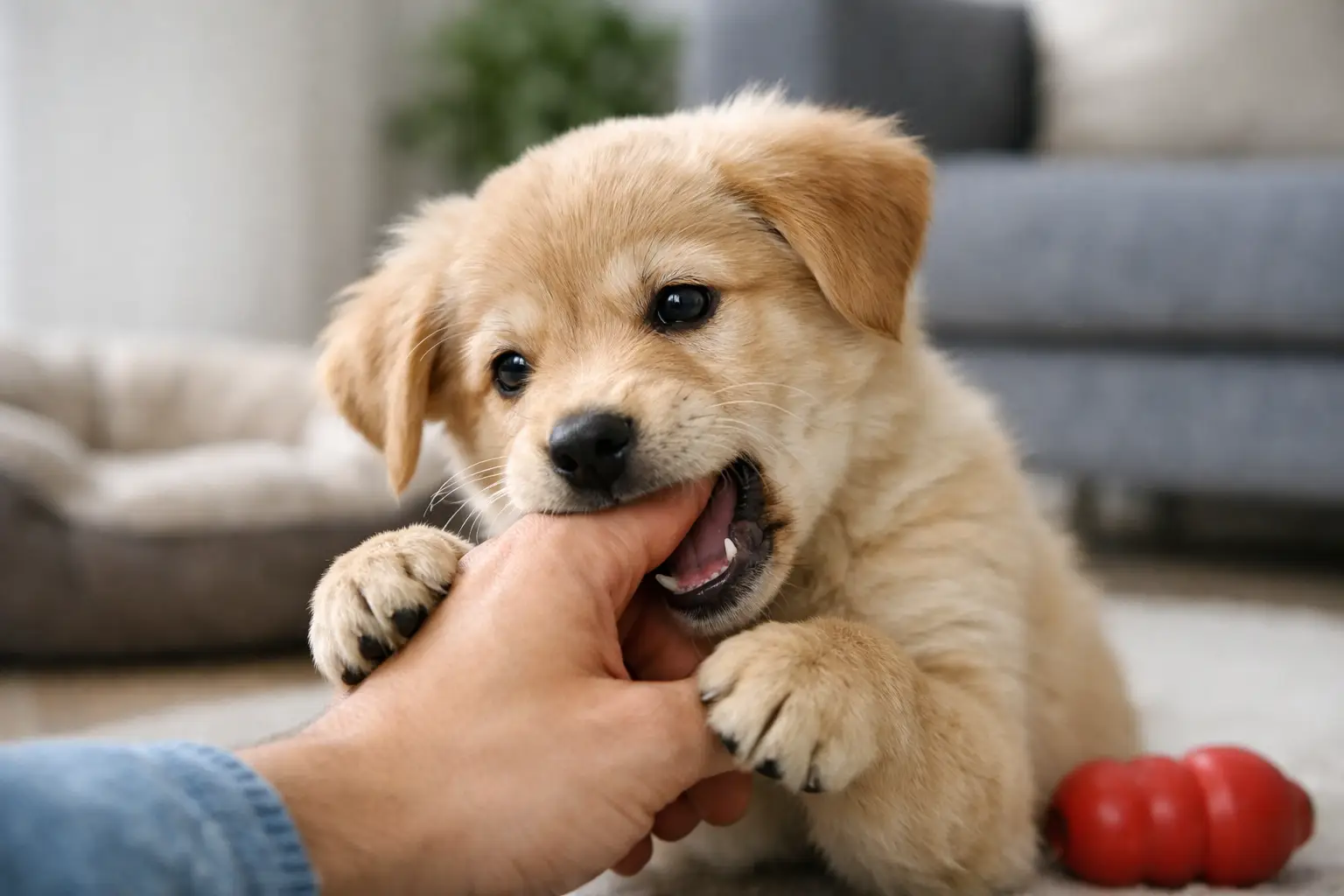
This stage is about foundations. Focus on potty routine, crate comfort, name recognition, bite inhibition, gentle handling, and very basic cues like sit and come. Keep expectations low and consistency high.
This is also the key window for social exposure. Introduce your puppy to normal life in a controlled way. New people, sounds, objects, and environments matter now. The goal is confidence, not intensity.
3 to 4 months
Now you can build a little more structure. Add leash walking basics, down, place or mat work, waiting politely for food, and longer periods of calm in a crate or pen. Your puppy can handle slightly more challenge, but short sessions still work best.
This is often when owners start getting frustrated because the puppy feels bolder and nippier. Stay consistent. Do not mistake normal puppy testing for a serious behavior problem. Clear routines and repetition still fix most of it.
5 to 6 months
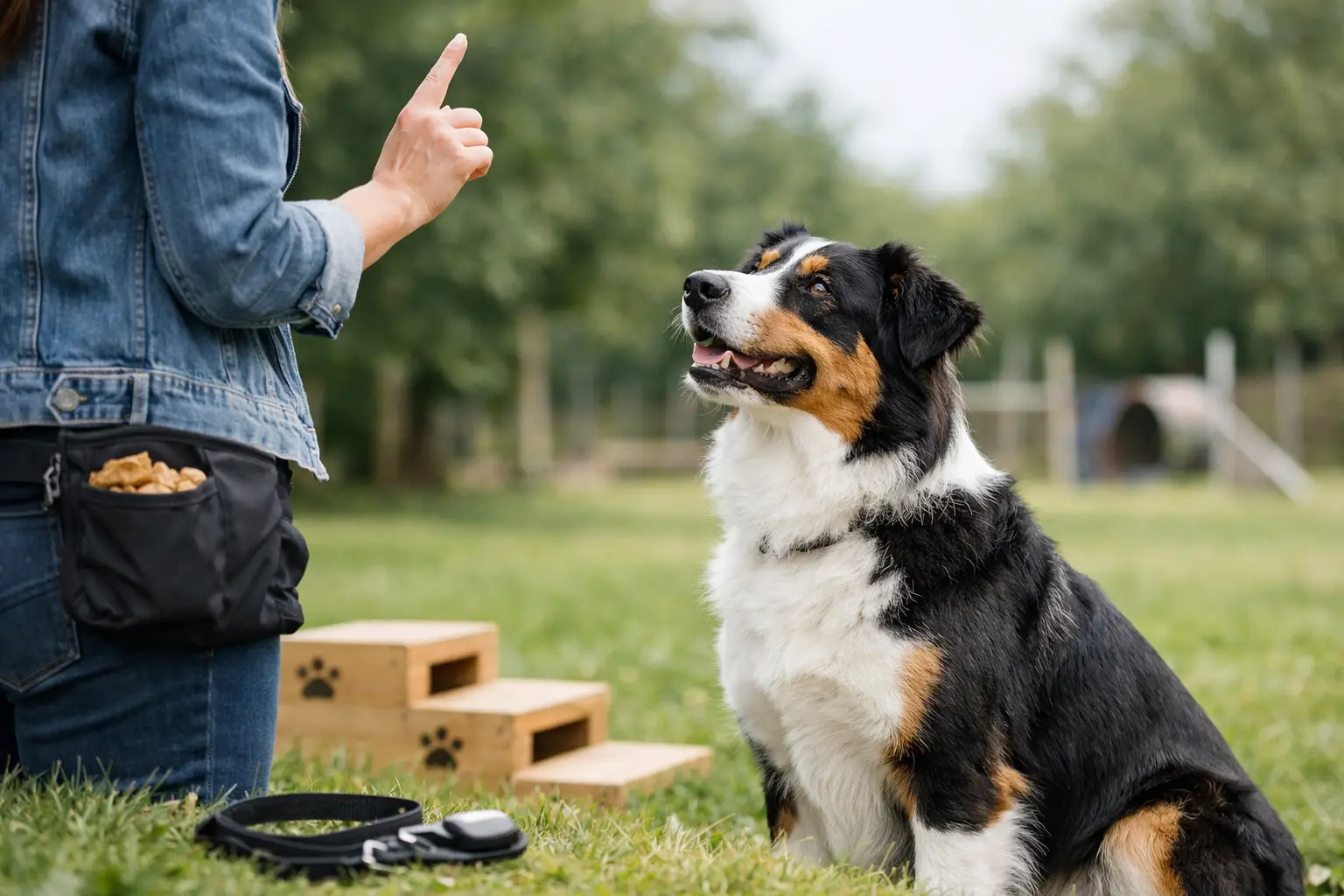
At this point, your puppy training schedule should include more proofing. Practice cues in different places. Work around mild distractions. Reinforce coming when called, settling indoors, and walking politely past things that excite them.
This age can bring selective hearing. That does not mean training stopped working. It usually means the dog needs more structure and follow-through in harder situations, not less.
Common mistakes that slow progress
One big mistake is training only when problems show up. If you only work on calm behavior once your puppy is already barking, biting, or jumping, you are late. Good training happens before the problem starts.
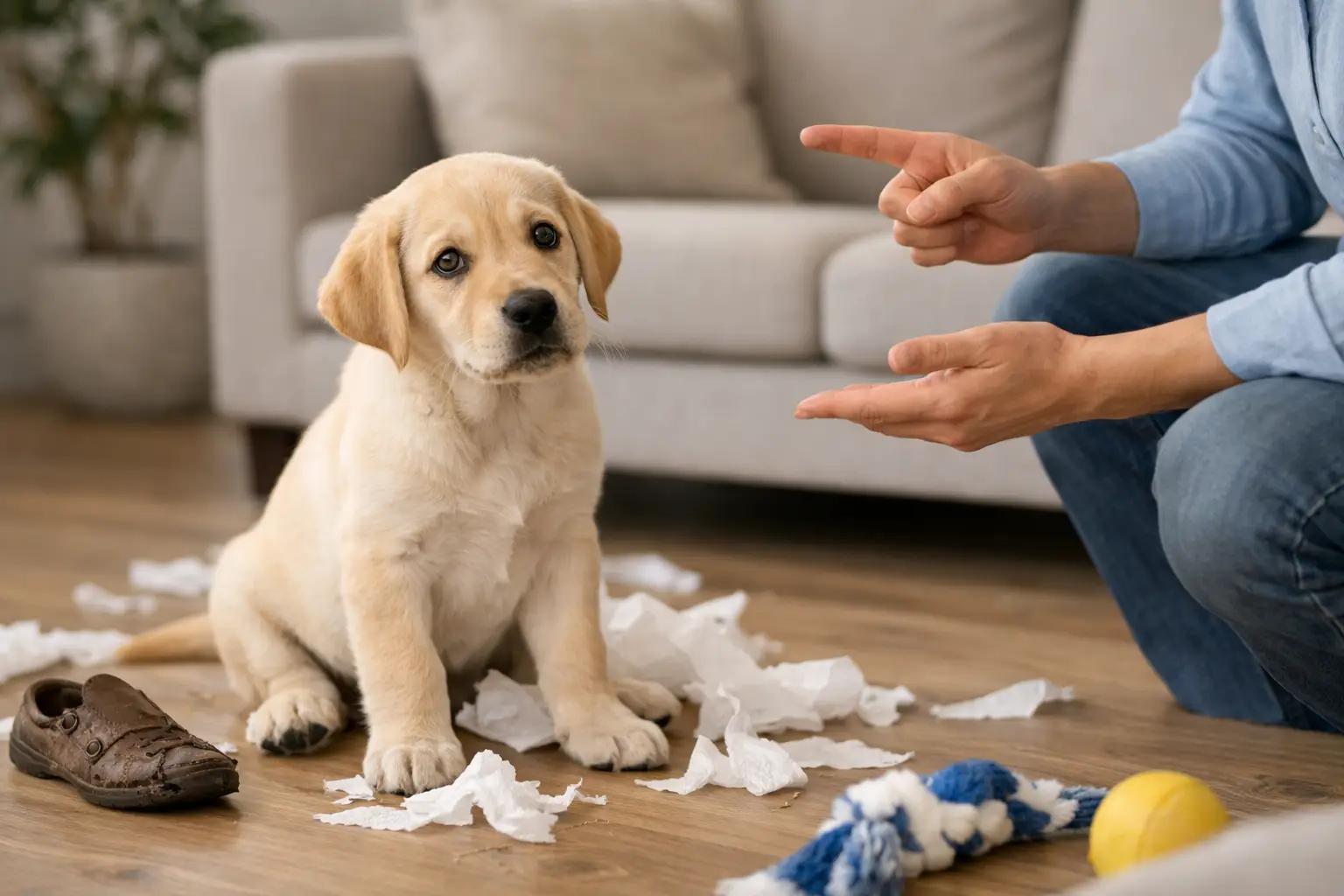
Another mistake is giving too much freedom too early. If your puppy is having accidents, chewing furniture, or ignoring you, they probably need tighter management, not more chances to make bad choices. Crates, pens, tethers, and close supervision are training tools, not punishments.
Many owners also overcomplicate things. You do not need a huge command list in week one. A few skills done well beat ten skills done inconsistently. Start with the behaviors that matter most in daily life and build from there.
Finally, avoid comparing your puppy to dogs online. Some puppies are bold, some are sensitive, some are busy, and some are naturally easier. The right schedule is the one that your dog can succeed with consistently.
How to make the schedule realistic
The best plan is not the perfect one. It is the one you will follow on a normal Tuesday.
If you work full-time, build your schedule around the moments you can control. Morning, evening, and a structured midday break can be enough if you stay consistent. If you have kids at home, keep the rules simple so everyone handles the puppy the same way. Mixed signals slow everything down.
It also helps to pair training with routines you already have. Ask for a sit before meals. Practice name response before going outside. Reward calm behavior while you watch TV. Training does not always need a formal setup. Small reps throughout the day add up fast.
If you want faster results, track what is happening for one week. Write down potty accidents, nap times, meal times, biting spikes, and when training goes best. Patterns show up quickly. Once you can see the pattern, you can adjust the schedule instead of guessing.
A good puppy training schedule does not make life rigid. It makes progress predictable. Your puppy starts understanding what works, you stop reacting to every little problem, and the whole house gets calmer. That is how confidence grows on both ends of the leash. Start simple, stay consistent, and let the routine do more of the heavy lifting than you think.
Does your dog ignore you when you call its name? You call… nothing.Or worse—it runs the other way. This is one of the most frustrating (and dangerous) problems dog owners face. The good news? 👉 You can fix it👉 And build a reliable recall In this guide, you’ll learn how…