Helping You Raise a Calm, Happy & Well-Behaved Dog
How to Control Barking Puppy Behavior Fast
Sara Michael,
Sharing is caring 😉
That sharp little bark at 6 a.m. feels small at first – until it happens at the crate, at the window, during meals, and every time someone touches the door. If you are searching for how to control barking puppy behavior, the goal is not to silence your puppy completely. The goal is to teach when barking works, when it does not, and what to do instead.
That distinction matters. Barking is normal. Puppies bark because they are excited, frustrated, startled, lonely, overtired, or trying to get your attention. If you treat every bark the same way, training gets slow. If you identify why your puppy is barking, progress gets much faster.
Most owners make barking harder to fix by focusing only on the noise. The sound is annoying, but barking is usually a symptom. A puppy that barks in the crate may be tired, under-exercised, confused, or simply used to getting released after making noise. A puppy that barks at people outside may be overstimulated and rehearsing the habit every day.
Puppies also learn fast. If barking gets attention, play, food, eye contact, or freedom, it tends to grow. Even inconsistent rewards can strengthen it. In other words, if barking works once in a while, your puppy has a reason to keep trying.
The good news is that puppy barking is usually very trainable because the pattern is still new. You are not trying to erase years of habit. You are setting clear rules early.
How to control barking puppy problems at the source
The fastest way to improve barking is to stop reacting randomly. Your puppy needs a predictable pattern: calm behavior pays, barking does not.
Start by looking at the situations where barking happens most. Is it the crate, the playpen, the front window, meal prep, visitors, or demand barking for attention? Pick one or two high-frequency situations first. Trying to fix everything at once usually creates confusion for both you and your puppy.
Then make the barking less likely before it starts. A puppy with no outlet, no structure, and too much stimulation will bark more than a puppy with clear routines. That means enough sleep, short walks if age-appropriate, training games, food puzzles, chew time, and planned downtime. A lot of what owners call a barking problem is really an overtired or underguided puppy problem.
This is where trade-offs matter. More exercise helps some puppies, but not all barking comes from extra energy. Some puppies get louder when they are over-aroused. If your puppy gets wild after long activity, focus less on wearing them out and more on building calm between activities.
Step 1: Stop rewarding the barking
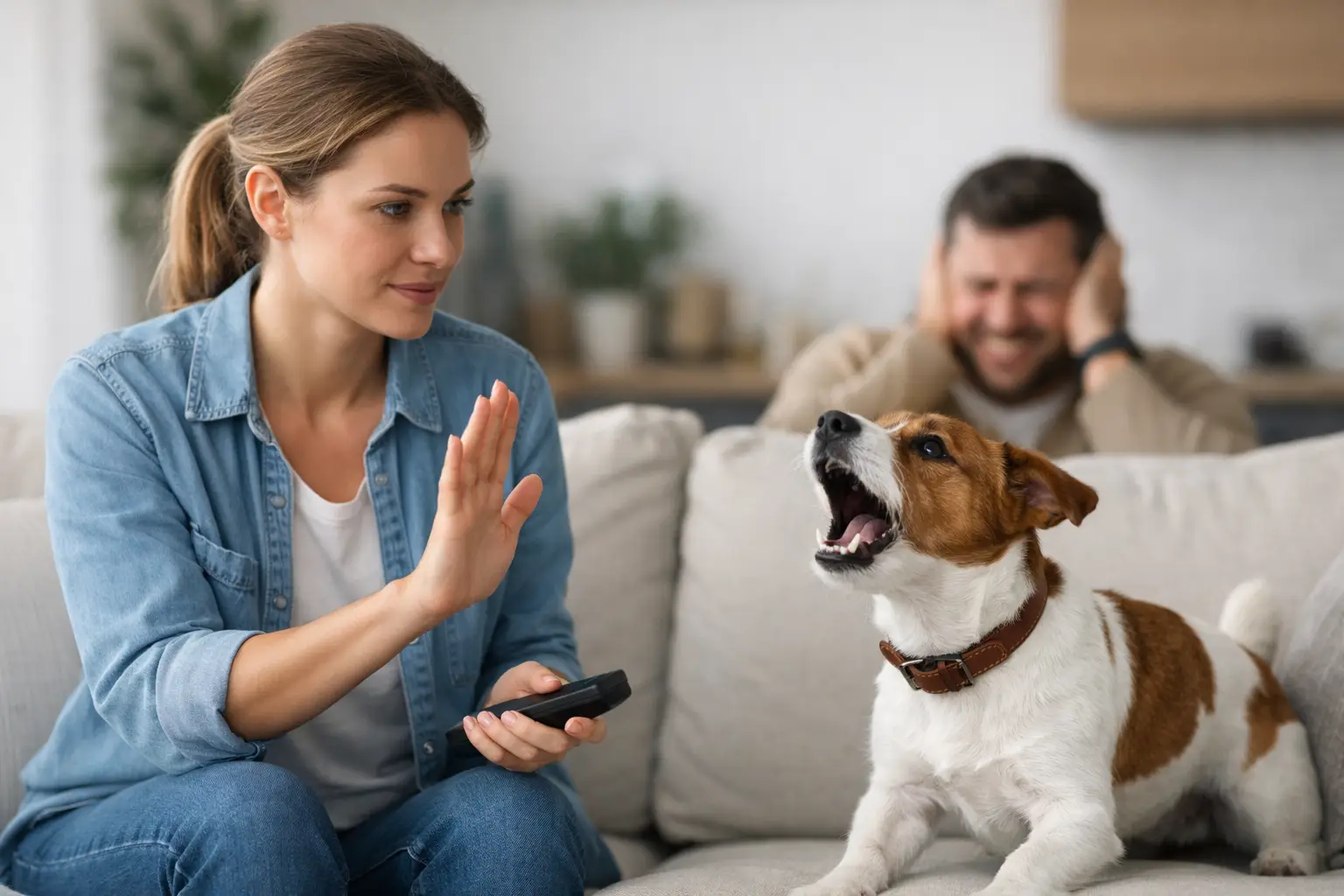
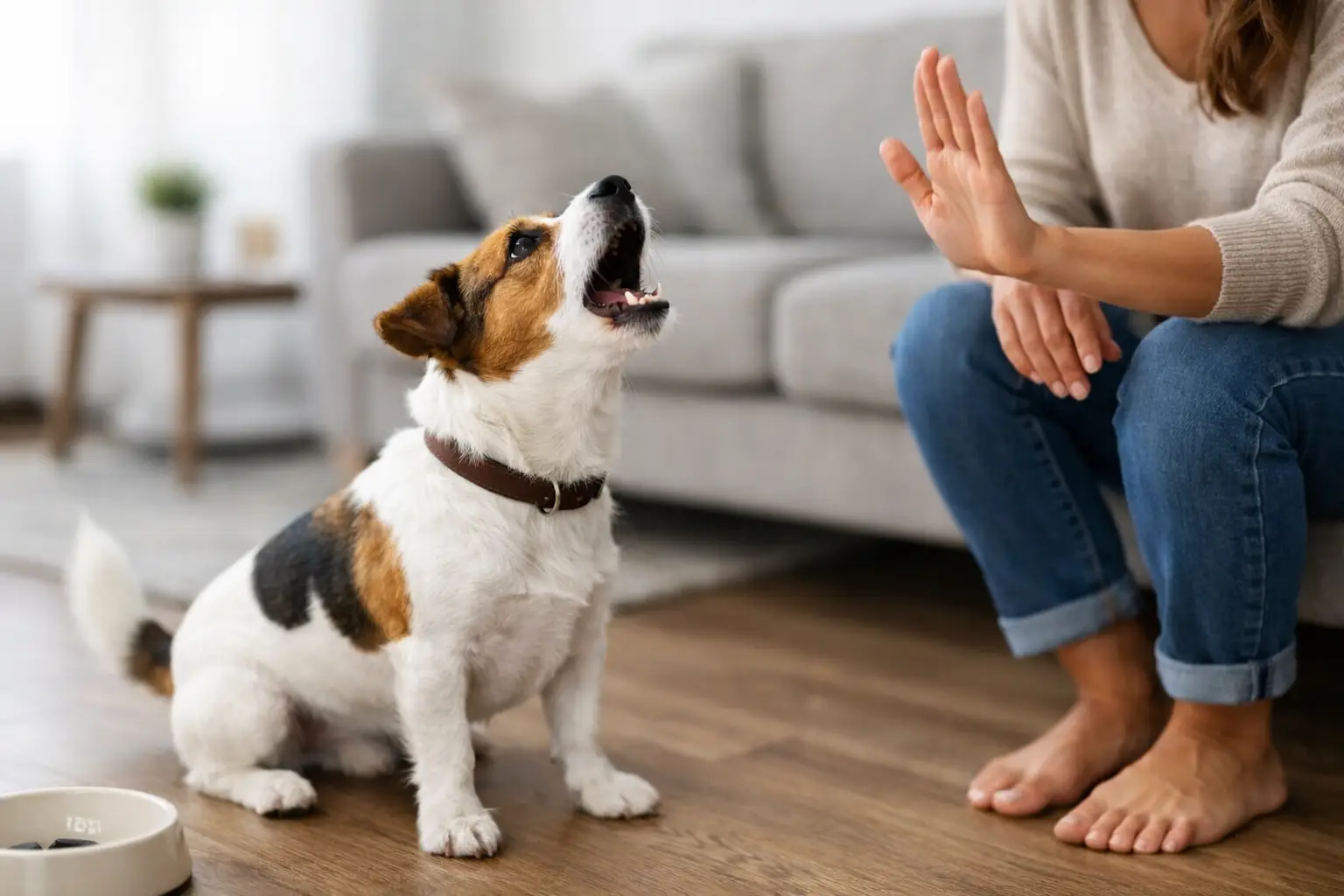
If your puppy barks for attention, your response has to be clear. Do not talk, touch, negotiate, or repeat cues while the barking is happening. Wait for a brief pause, even one second, then reward the quiet with attention, praise, or access to what your puppy wants.
Timing matters more than length at first. Owners often wait for a long stretch of silence, the puppy fails, and everyone gets frustrated. Catch the tiny pause. That is how you show your puppy what works.
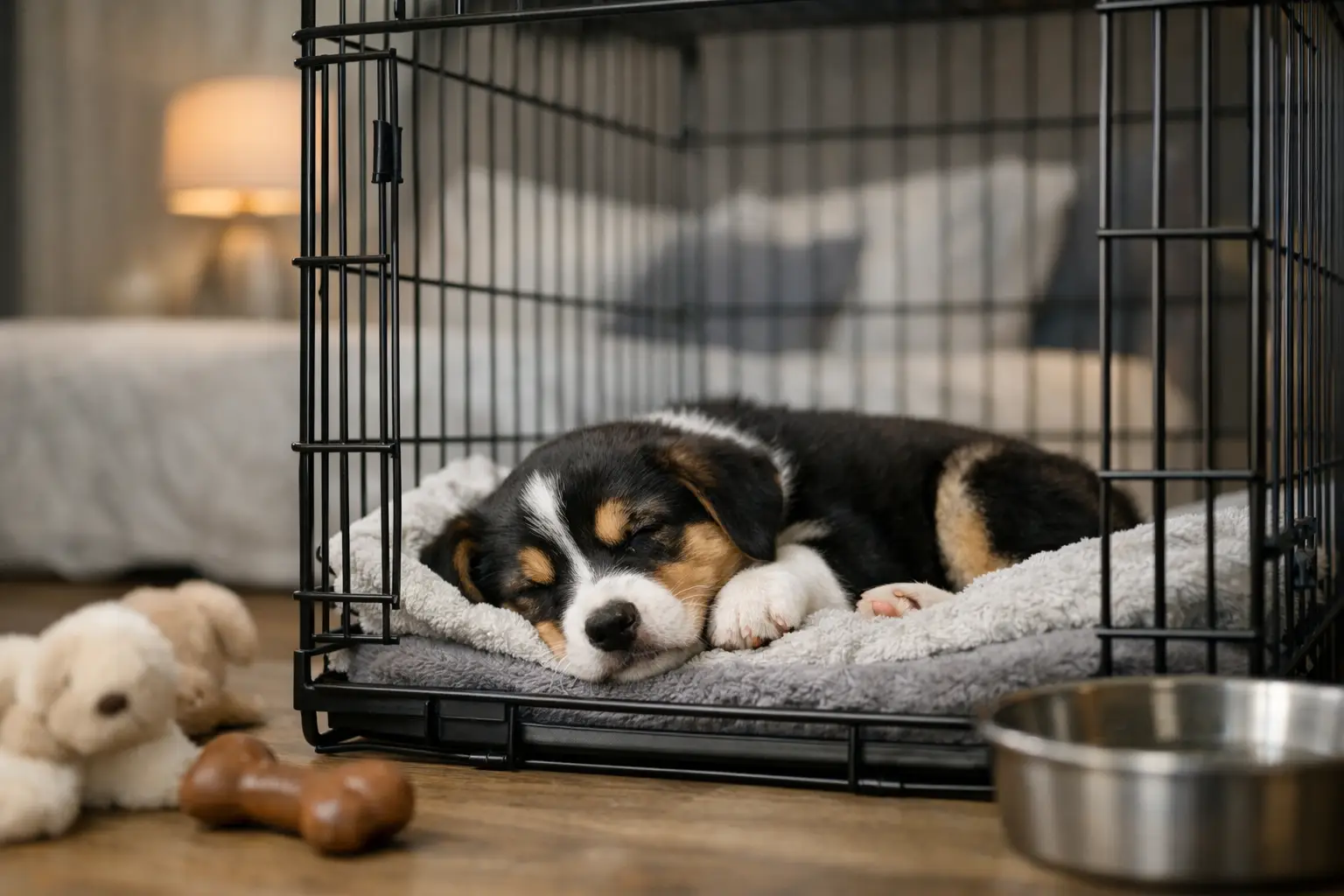
If barking happens at the crate, avoid opening the door during noise unless you truly believe there is a bathroom emergency. If you release a barking puppy, barking becomes part of the exit routine. Instead, wait for a pause, mark the calm moment with a cheerful yes, then open the crate.
Step 2: Teach a quiet pattern, not just a correction
Many owners try to stop barking by saying quiet over and over. That usually turns into background noise. Your puppy needs to learn the behavior that replaces barking.
A simple approach is to teach your puppy that looking at you calmly earns rewards. The moment barking pauses, say yes and give a treat. After several repetitions, your puppy starts checking in instead of continuing to bark. Now you can add the cue quiet right before the pause becomes predictable.
Do not rush the word. If you say quiet while your puppy is in full barking mode and nothing changes, the cue loses meaning. Build the pattern first, then label it.
Step 3: Manage the environment aggressively
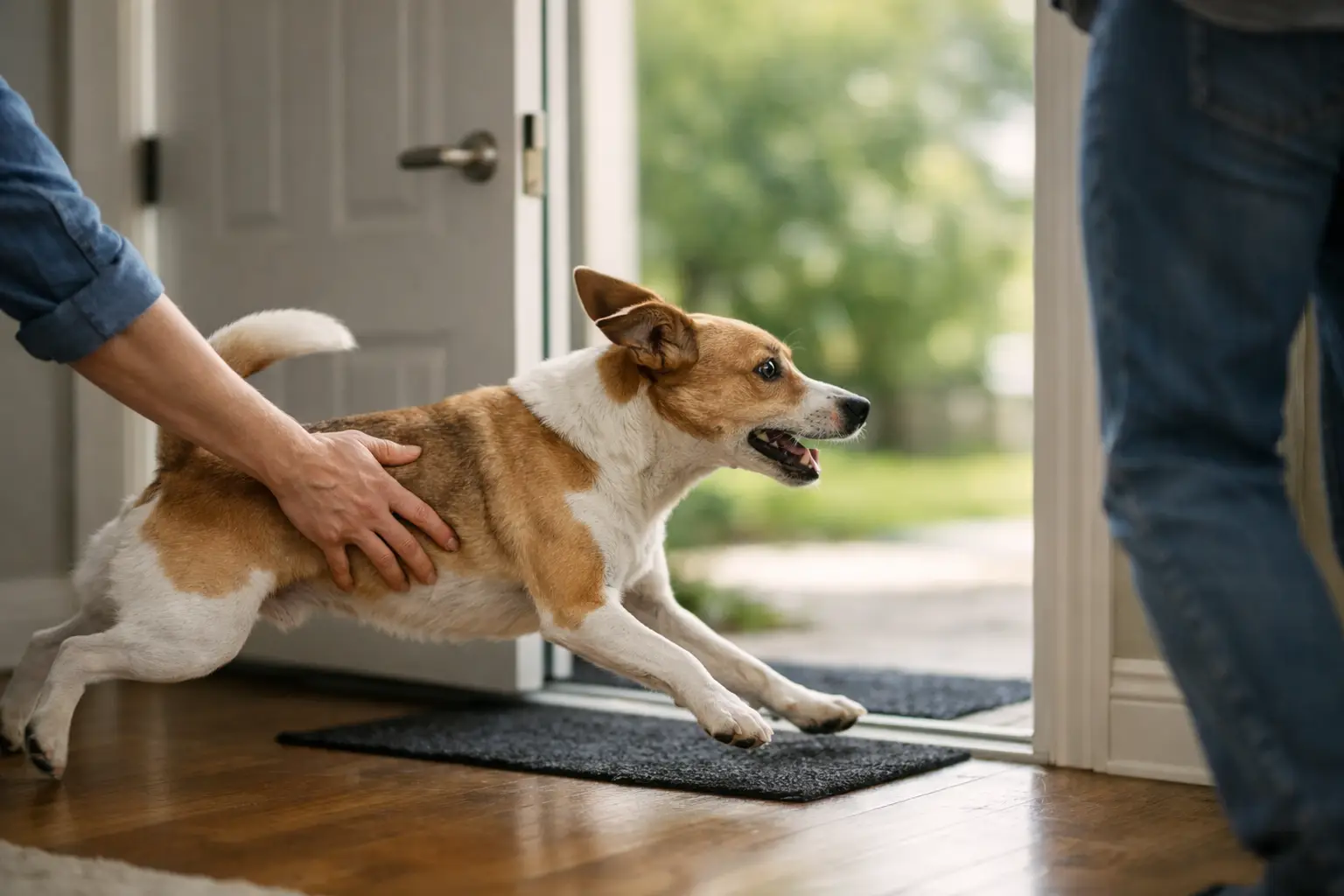
Training goes faster when your puppy cannot rehearse the problem all day. Close blinds if your puppy is barking at people outside. Use a crate cover if visual stimulation keeps setting them off. Put distance between your puppy and the front door when guests arrive. Give a stuffed food toy during predictable trigger times.
Management is not cheating. It is smart training. Every barking episode your puppy practices is another repetition of the habit you are trying to change.
Barking in the crate, playpen, and at night
This is one of the biggest stress points for new owners. Some crate barking is part of adjustment, but there is a difference between protest and panic. Protest usually comes and goes, especially when your puppy has learned that calm gets released and barking does not. Panic is more intense and can include nonstop screaming, drooling, frantic biting at the crate, or inability to settle at all.
If your puppy is panicking, slow down the crate training process. Build positive associations during the day with short sessions, food, chews, and calm exits before distress starts. If it is simple protest barking, consistency usually solves it faster than constant soothing.
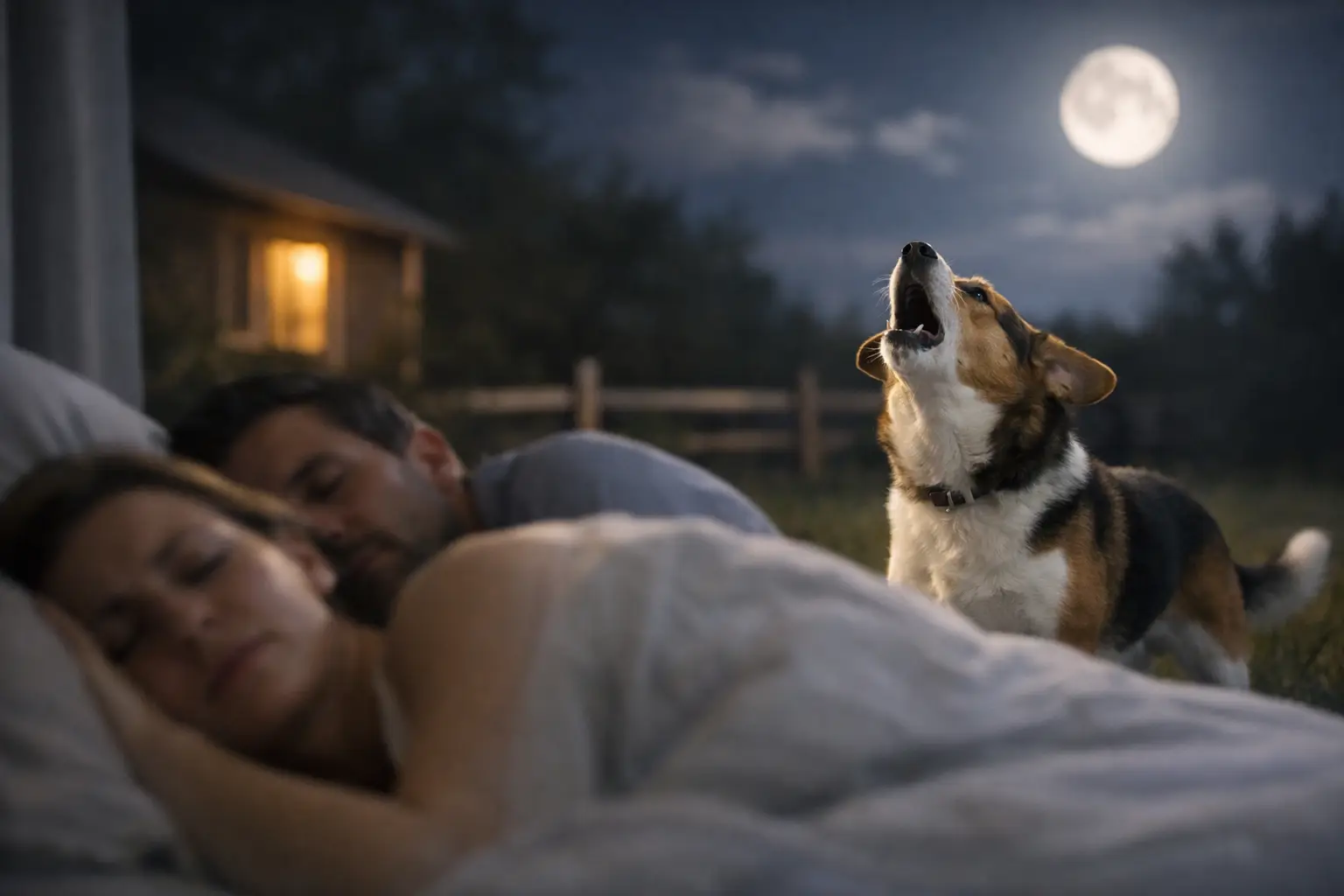
Night barking also depends on age. Very young puppies may need overnight potty breaks. Expecting a tiny puppy to stay quiet for too long is unrealistic. But if your puppy has been taken out, is comfortable, and starts barking for interaction, keep it boring. Quiet potty trip if needed, then straight back to bed.
Barking at people, sounds, and movement
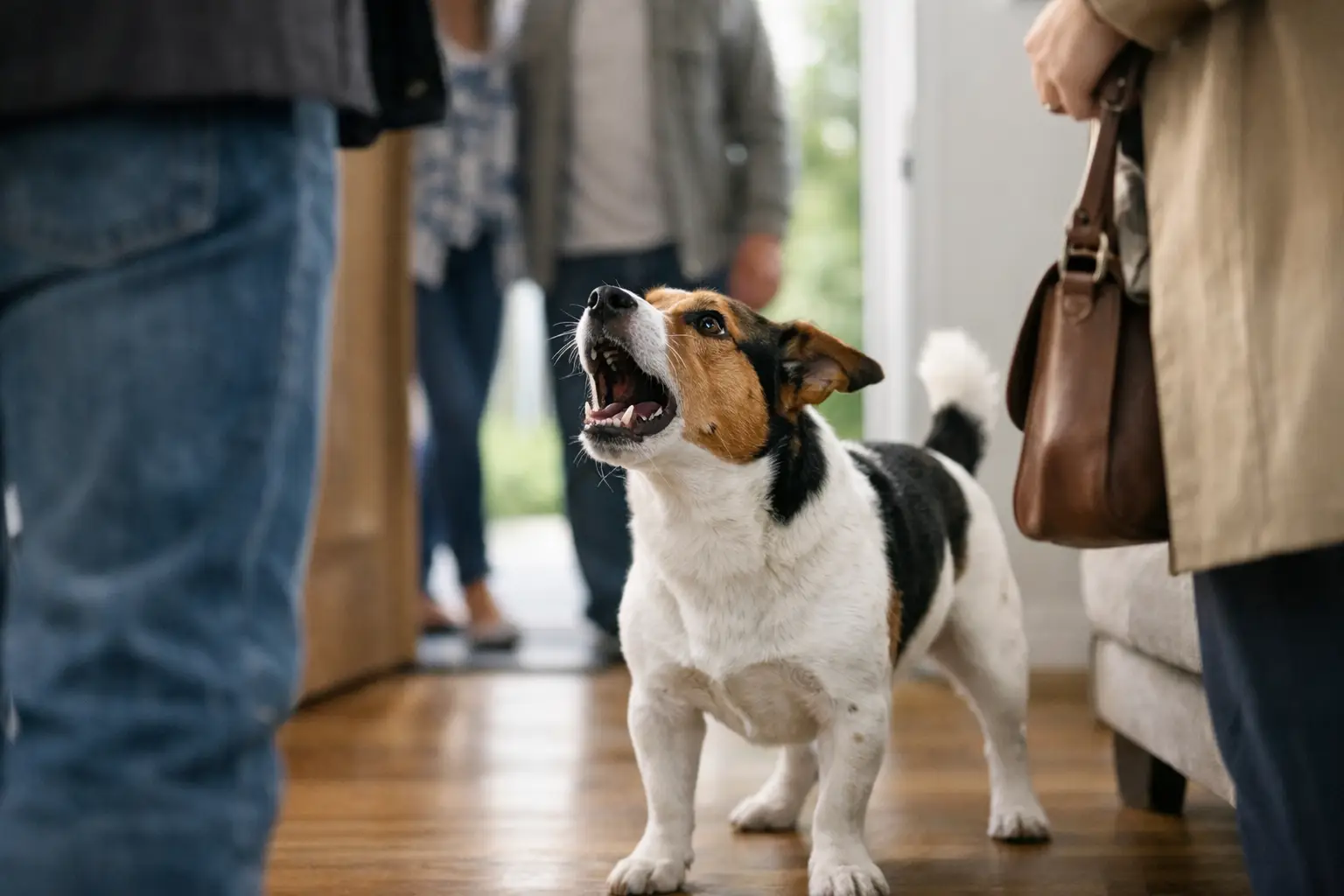
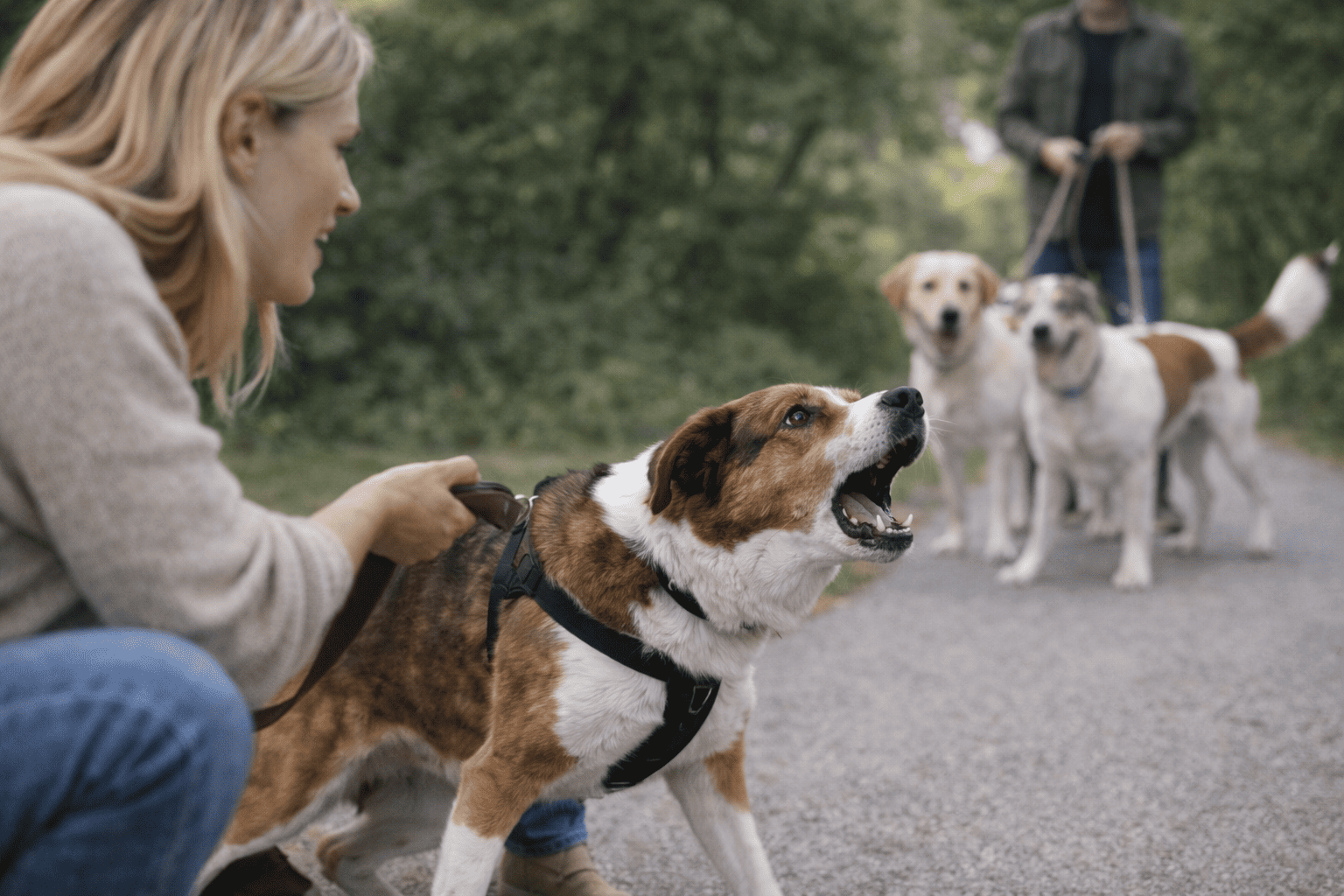
When a puppy barks at strangers, dogs, cars, or noises, the plan changes a bit. This is less about attention-seeking and more about emotional response. Your job is to reduce intensity and create better associations.
Start farther from the trigger than you think you need. If your puppy is already barking, lunging, or refusing food, you are too close. At a manageable distance, notice the trigger, feed treats, and keep sessions short. You are teaching that calm observation pays and that the world is not something to explode at.
This is one of those it depends situations. Some puppies bark because they are nervous. Others bark because they are overly social and frustrated they cannot get closer. The outside behavior can look similar, but the training still starts the same way: create distance, reward calm, and avoid flooding your puppy with more than they can handle.
What not to do
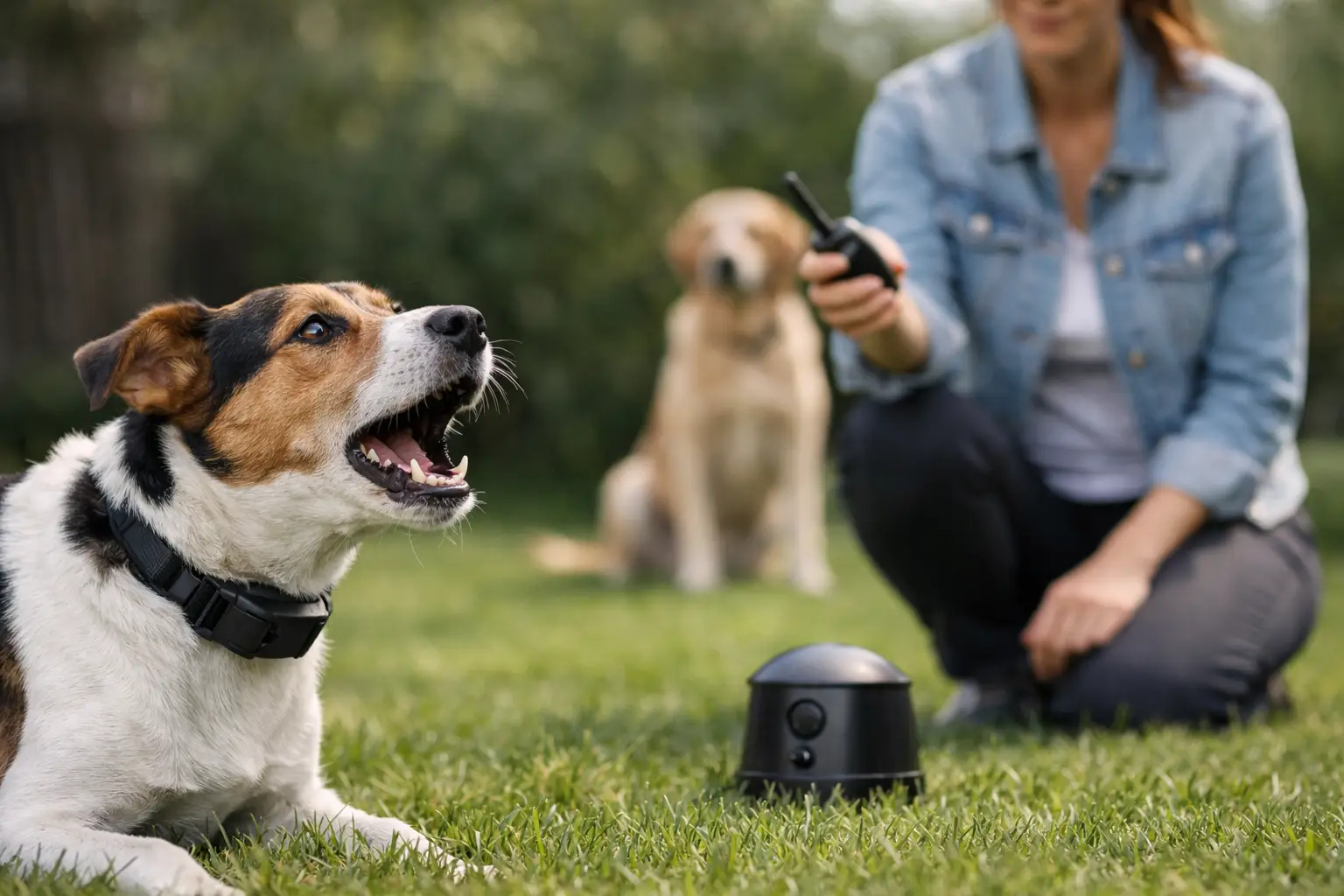
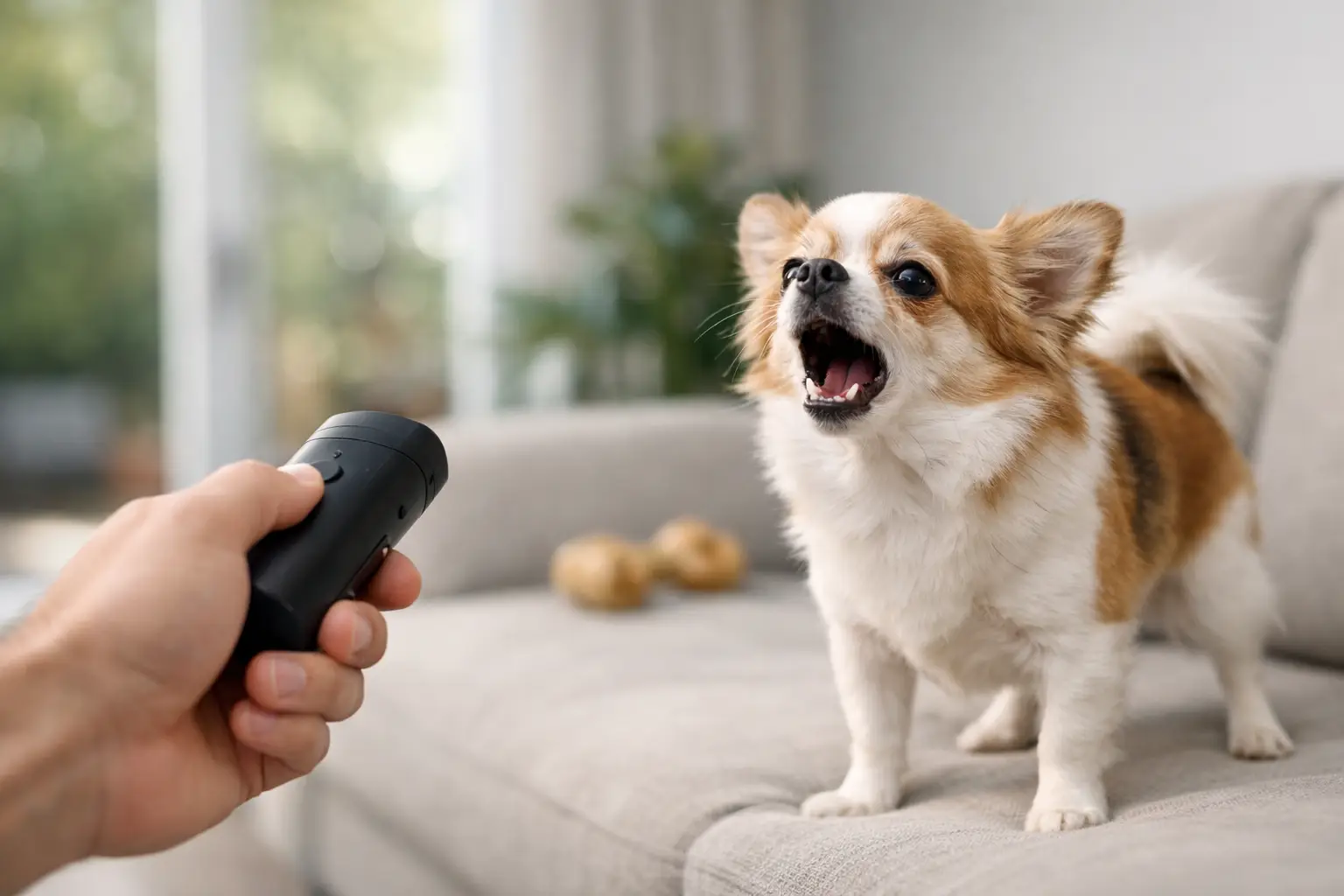
Punishing barking often backfires, especially in puppies. Yelling can sound like you are joining in. Harsh corrections can increase anxiety and make noise around triggers even worse. Tools that suppress barking without teaching an alternative may stop the symptom temporarily, but they do not build understanding.
Just as common is the opposite mistake – giving in. If your puppy barks and you offer attention, pick them up, toss treats randomly, or open barriers to make the sound stop, you may accidentally train more barking.
The middle ground works best. Be calm, be clear, and be consistent.
How to make progress faster
If you want faster results, track patterns for three days. Write down when barking happens, what happened right before it, and what your response was. You will usually spot one or two major causes quickly.
Then keep training simple. Reward quiet. Prevent rehearsals. Meet your puppy’s real needs. Practice short sessions daily instead of trying one long session when you are already frustrated.
For many owners, the breakthrough comes when they stop asking, How do I make my puppy stop barking right now? and start asking, What is my puppy learning from this moment? That shift changes everything.
A puppy that learns calm gets attention, barking does not open doors, and strange things predict good outcomes becomes much easier to live with. You do not need a complicated system. You need clean timing, repetition, and enough consistency for your puppy to trust the pattern.
If you stay patient and structured, barking usually gets better much sooner than it feels like it will. Start with the situation that happens most, clean up your timing, and give your puppy a clear path to get it right. That is how real progress starts – and how quiet becomes a habit instead of a lucky break.
Does your dog bark, lunge, or go crazy when it sees other dogs on walks? What should be a relaxing walk turns into stress and embarrassment. The truth is: 👉 This is a very common problem👉 And it’s fixable with the right training In this guide, you’ll learn why your…