Helping You Raise a Calm, Happy & Well-Behaved Dog
How to Control Dog Barking at Night
Sara Michael,
Sharing is caring 😉
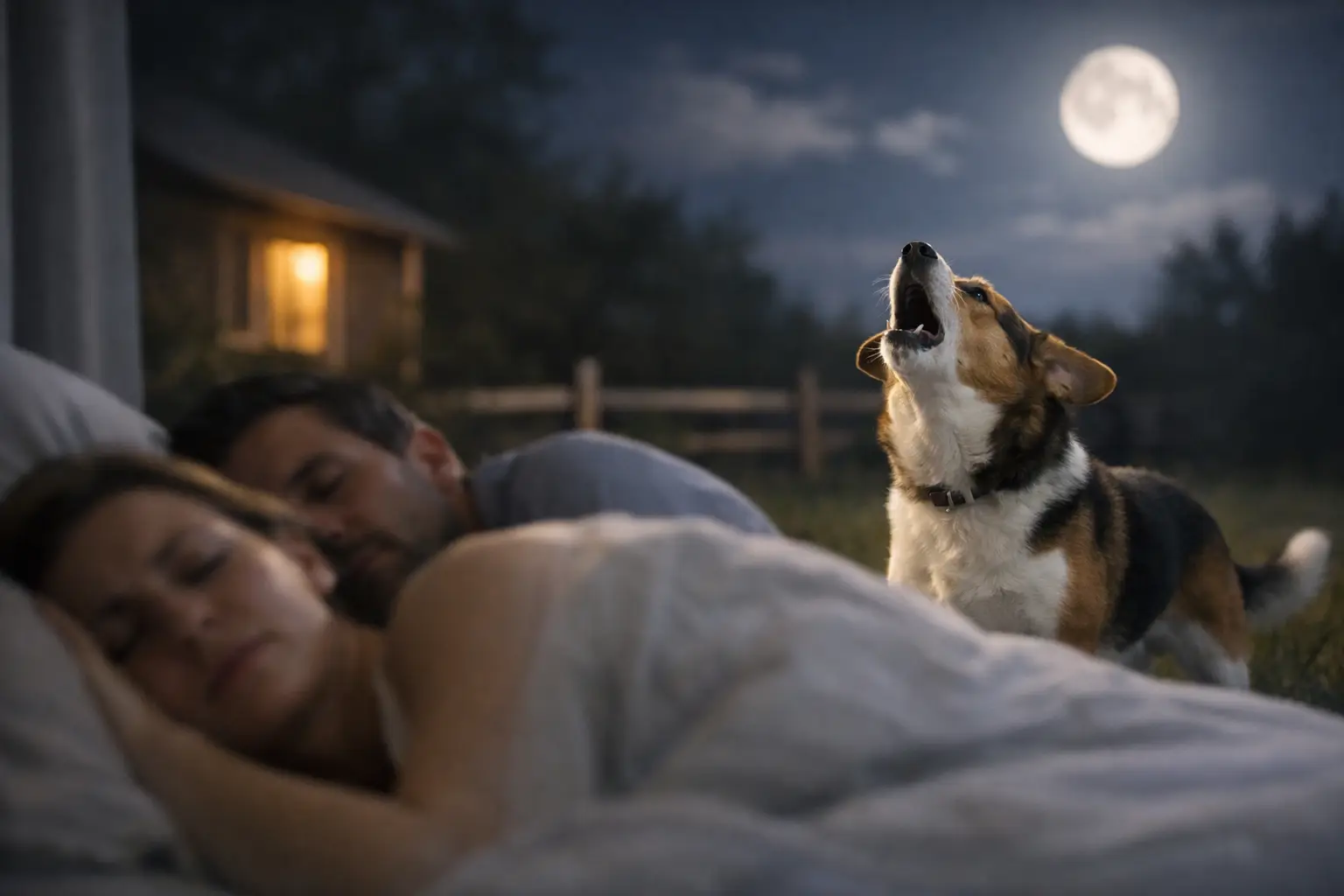
The problem usually starts the same way: you finally get in bed, the house is quiet, and then your dog starts barking at 1:13 a.m. Not once. Not twice. Over and over. If you are searching for how to control dog barking at night, the fix is rarely just telling your dog to be quiet. Night barking has a cause, and if you address the cause instead of the noise alone, progress gets much faster.
The good news is that this is trainable. Whether you have a puppy, an anxious rescue, or an adult dog who has built a bad habit, you can teach calmer nighttime behavior with a clear plan.
Night makes small problems feel bigger. A dog who is mildly bored during the day may become restless after hours of inactivity. A dog who hears neighborhood sounds may react more intensely when everything else is silent. Some dogs bark because they are alerting. Some bark because they are anxious, frustrated, under-exercised, or simply used to getting a response.
That is why random advice often fails. If one owner is dealing with fear and another is dealing with excess energy, they should not use the exact same solution. The fastest way to improve barking is to figure out which pattern you are actually seeing.
A puppy may bark because being alone at night is new and stressful. An adolescent dog may bark because impulse control is weak and every sound outside feels important. An older dog may bark because of discomfort, hearing changes, or confusion. If the barking appeared suddenly, especially in a previously quiet dog, a vet check is smart before you treat it as a training issue.
How to control dog barking at night by identifying the trigger
Before you change anything, spend two or three nights observing the pattern. Does your dog bark right after being crated? Only when people move around upstairs? At outside noises? At nothing obvious? For attention when you leave the room? Those details matter.
If your dog barks at passing sounds, your plan should focus on environment and calm responses. If your dog barks when separated, you are working on independence and confidence. If your dog barks after sleeping for a few hours and then stays active, the issue may be an incomplete evening routine.
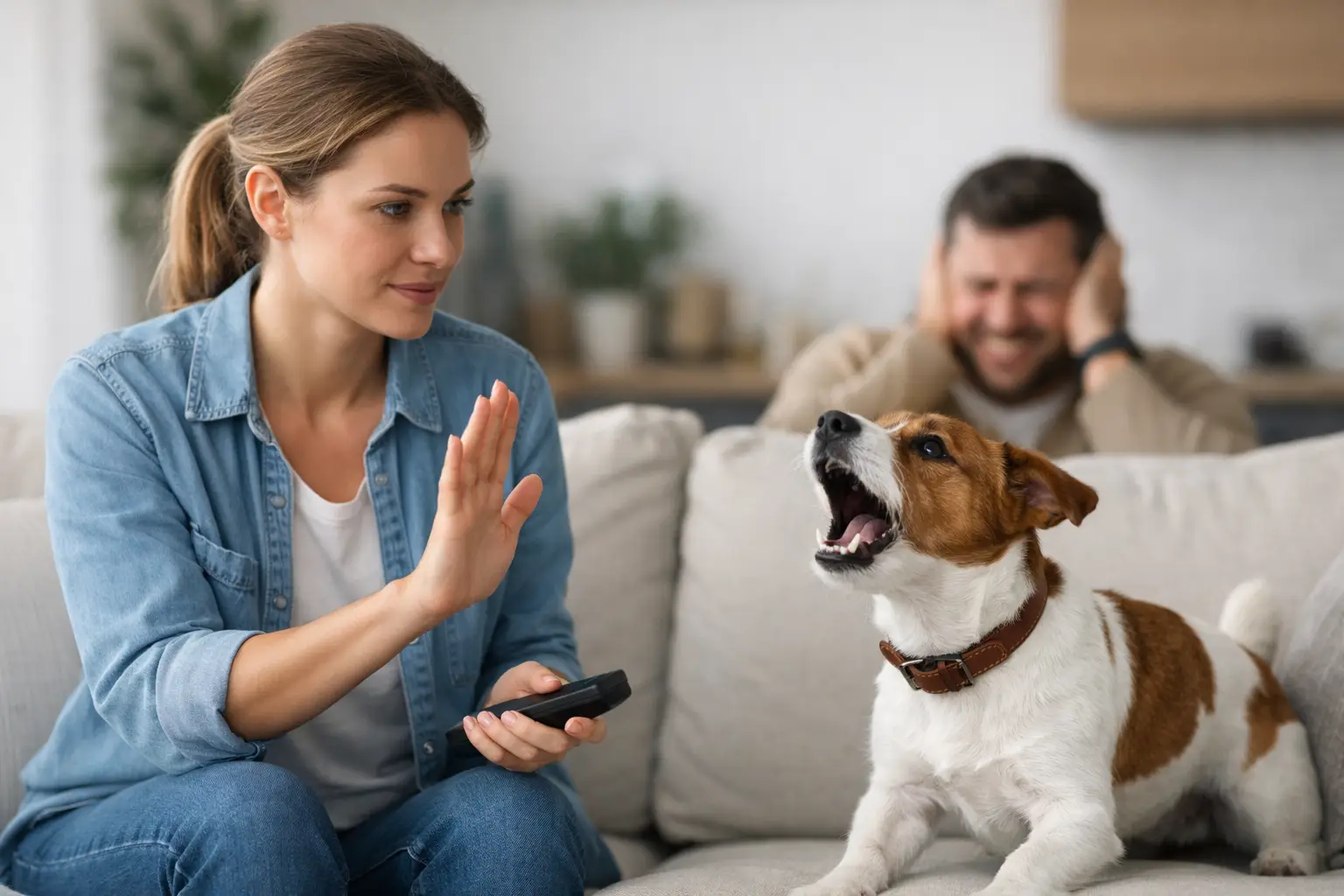
Owners often want one universal command to stop barking. That can help later, but it will not fix a dog who is scared, over-aroused, or full of unused energy. First reduce the reason to bark. Then teach the dog what to do instead.
Start with the evening routine
A better nighttime routine solves more barking than most people expect. Dogs settle better when their evening is predictable and complete.
Make sure your dog gets physical exercise earlier in the evening, but not just frantic activity. A short game of fetch may tire the body, but many dogs also need mental work. Five to ten minutes of obedience, food puzzles, place training, or leash work can take the edge off far better than pure excitement.
Then give your dog a consistent final potty break right before bed. This sounds obvious, but many dogs bark at night because they wake up uncomfortable and have learned that barking makes people appear. If your dog is young, newly house trained, or older, bathroom needs may be part of the problem.
Finally, avoid accidentally creating a second wind. Rough play right before bedtime, lots of lights, household chaos, and late treats can keep some dogs alert instead of sleepy. Calm the house down before you expect calm behavior from the dog.
Set up the sleeping area the right way
Where your dog sleeps matters. Some dogs settle best in a crate with a cover because it reduces visual triggers. Others do better in an exercise pen or on a dog bed in your room because total isolation increases stress. It depends on the dog.
If your dog reacts to outdoor movement, block the view. Close blinds, use white noise, and place the sleeping area away from front windows or doors. If your dog is startled by every hallway sound, a quieter room may help. These changes are not cheating. They remove triggers while you build better habits.
Comfort matters too. If the room is too warm, too cold, or the surface is uncomfortable, some dogs struggle to stay settled. Puppies may also do better with a safe chew or stuffed food toy for a short wind-down period. Just make sure whatever you provide is appropriate for unsupervised use.
Do not reward the barking by accident
This is where a lot of owners get stuck. They respond differently every night. One night they yell from the bedroom. The next night they rush over with treats. Another night they let the dog into bed. From the dog’s point of view, barking is working often enough to keep trying.
If the barking is attention-based, your response has to become consistent. That does not mean being harsh. It means removing the payoff. If your dog barks because he wants interaction and you reliably provide it, the behavior gets stronger.
That said, ignoring is not a complete plan for every dog. If your dog is panicking in a crate or barking from real distress, pure extinction can make the problem worse. This is one of those it-depends situations. Frustration barking and fear barking may sound similar, but they should be handled differently.
Teach calm before bedtime, not during a barking episode
Night training works best when you practice in easier moments. Teach your dog a strong settle on a mat, bed, or place command during the day. Reward calm lying down, quiet waiting, and relaxed body language. Then use that skill in the evening before the dog is fully wound up.
You can also teach a quiet marker, but do it carefully. Wait for a brief pause in barking, mark the silence, and reward the quiet moment. You are not rewarding barking. You are capturing the choice to stop. Over time, the dog learns that silence pays better than noise.
Keep sessions simple. Ask for a down on the dog bed. Reward calm. Add a little duration. Reduce your movement. Step away and return. Build the skill in small pieces. Dogs do not usually become calm at night because we asked once in a tired voice from across the house. They become calm because calm was trained clearly and repeated enough to stick.
What to do in the moment when your dog barks at night
If your dog wakes and barks, respond based on the cause you have identified. If you suspect a real bathroom need, keep the potty trip quiet, brief, and boring. No play, no big conversation, no wandering around the yard. Then straight back to bed.
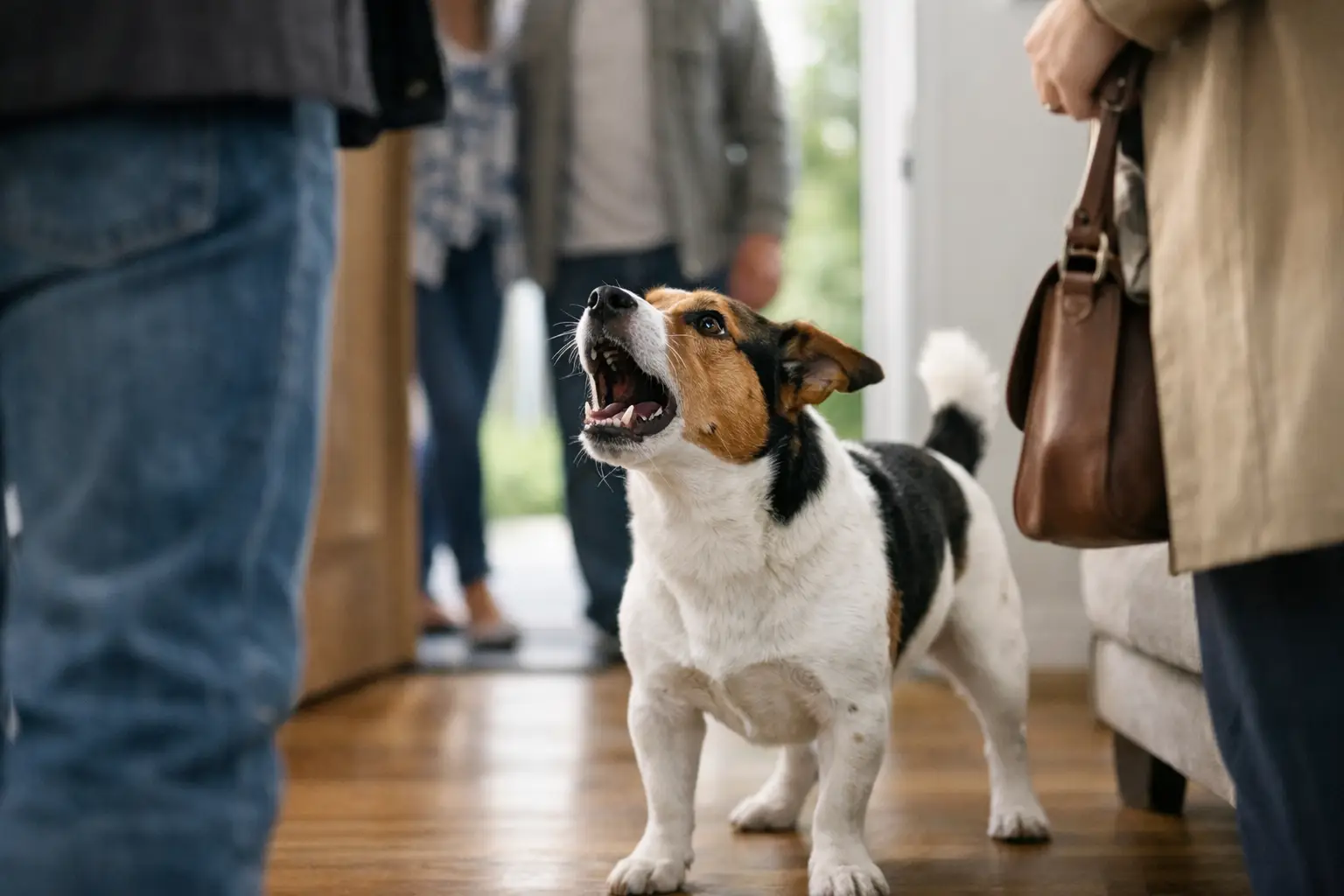
If the barking is alert barking at sounds, avoid joining the drama. Many owners make it worse by rushing to the window or speaking with tension. A calm interruption, a known cue like place, and a reward for settling is usually more effective.
If your dog is still learning, you may need to help him succeed for a while. That might mean moving the crate closer to your room, using white noise, or shortening the amount of overnight separation while you build independence gradually. Short-term management is not failure. It is often what allows real training to work.
How to control dog barking at night in puppies
Puppies need extra realism from their owners. A very young puppy may not be capable of holding it all night, and some crying in a new home is normal. Your goal is not perfection on night one. Your goal is to prevent a lasting barking habit while teaching security and routine.
Take the puppy out on a schedule, not only after full-blown barking if possible. Keep nighttime trips calm and dull. During the day, work on crate comfort, short separation exercises, and confidence. Puppies who only experience the crate at bedtime often struggle more because the skill was never really taught.
When the issue is anxiety or fear
If your dog sounds frantic, pants, drools, scratches at the crate, or escalates instead of settling, treat it as more than a simple barking problem. This dog needs a slower confidence-building plan. Create easier wins, shorten alone time, and avoid forcing long periods of distress while hoping it gets better on its own.
This is also where a structured training system helps. Clear steps beat guesswork, especially if you have already tried ignoring, treats, and different sleeping spots with no real progress.
How long does it take?
Some dogs improve within a few nights once you fix the routine and environment. Others need a few weeks, especially if the barking has been practiced for months. Habit strength matters. So does consistency.
The owners who get results fastest usually do three things well: they identify the trigger, stop rewarding the behavior by accident, and teach a clear alternative like settling quietly in a designated spot. That is practical, repeatable, and beginner-friendly.
If you stay calm, keep the plan simple, and stop changing your response every night, your dog can learn that nighttime is for sleeping, not rehearsing noise. Start there, and the house gets quieter much sooner than most owners expect.
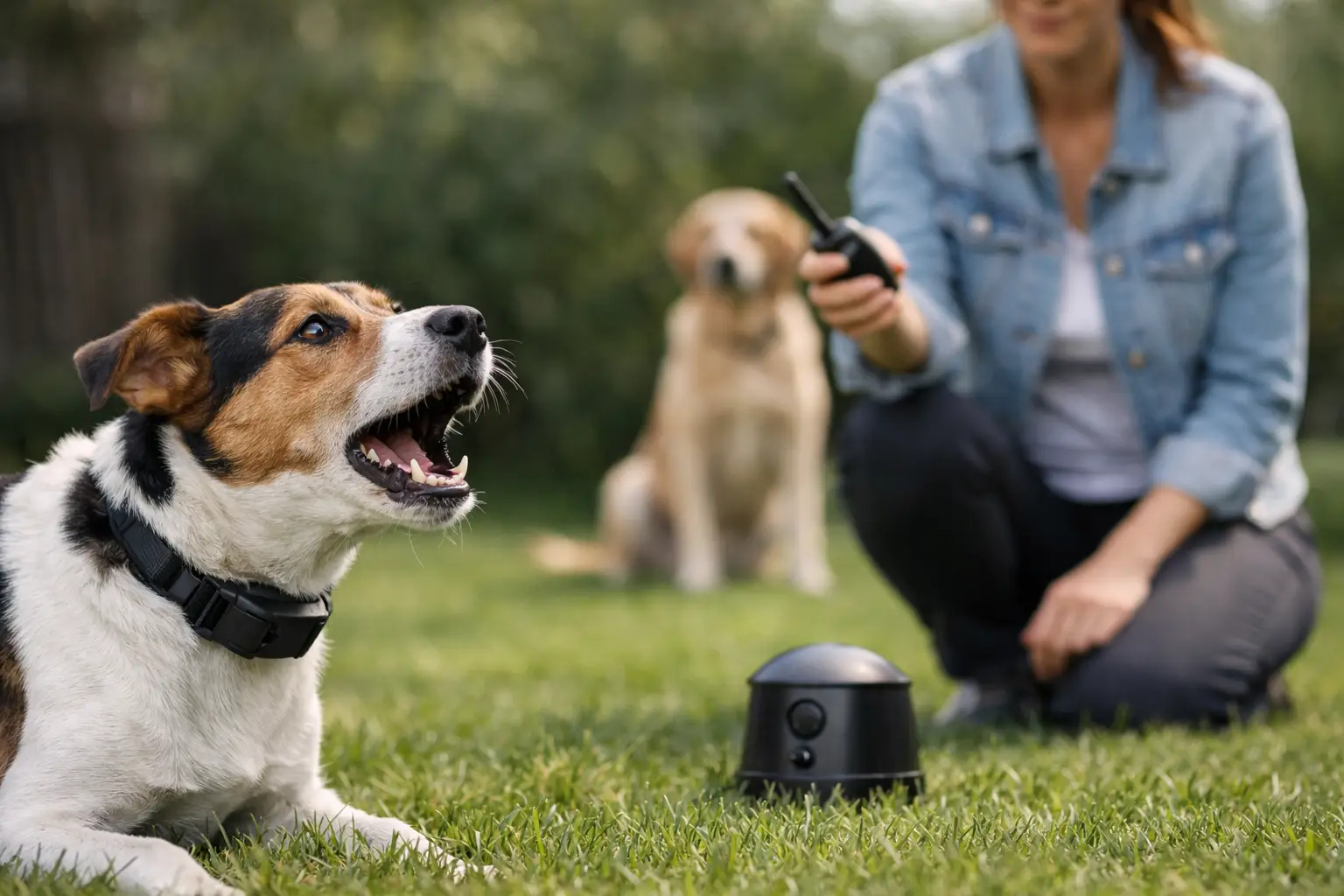
Find the best barking control for dogs with a clear plan: identify triggers, teach a quiet cue, prevent rehearsals, and build calm habits at home daily.