
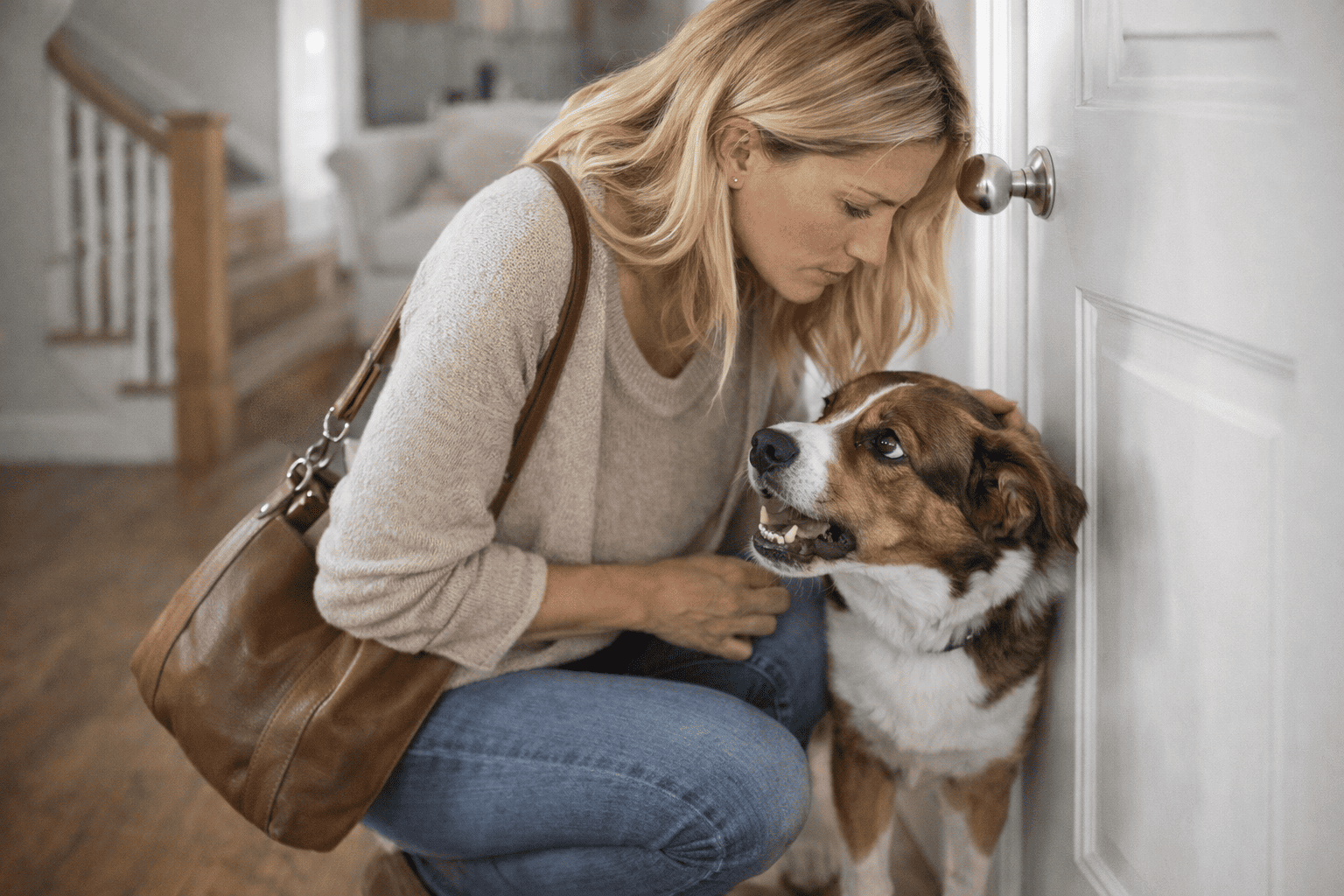

Does your dog follow you everywhere—even to the bathroom?
At first, it feels cute. But over time, it can become exhausting… and even a warning sign.
The truth is:
👉 This behavior can be normal
👉 But it can also signal separation anxiety
In this guide, you’ll learn why your dog follows you everywhere and how to fix it before it becomes a bigger problem.
🧠 Why Your Dog Follows You Everywhere
Dogs are naturally social animals. But constant shadowing isn’t always healthy.
Here are the main reasons:
1. Attachment & Bonding (Normal)
Your dog sees you as:
- Leader
- Provider
- Safety source
👉 Following you = feeling secure
2. Learned Behavior
If you:
- Give attention often
- Reward clingy behavior
👉 Your dog learns to stick close all the time
3. Boredom
No stimulation = your dog follows you for entertainment
4. Early Signs of Separation Anxiety 🚨
This is where it becomes serious.
If your dog:
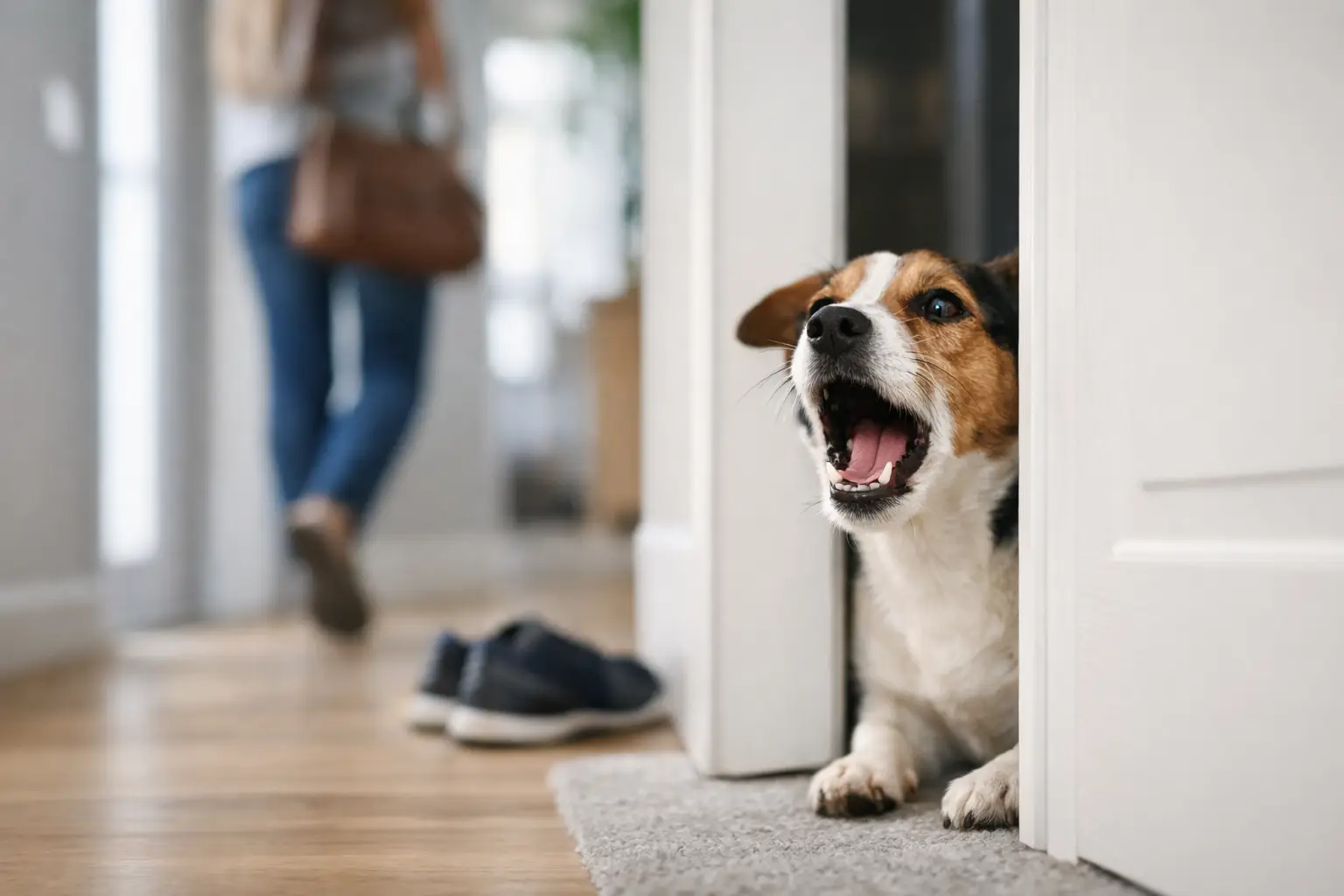
- Panics when you leave
- Cries or barks when alone
- Cannot stay in another room
👉 It’s likely separation anxiety developing
🚨 Signs You Should NOT Ignore
Watch closely.
- Dog cannot relax without you
- Follows you constantly (no independence)
- Gets stressed when you close doors
- Watches your every movement
👉 These are early warning signs.
🛠️ How to Stop Your Dog From Following You Everywhere
Follow this step-by-step.
✅ Step 1: Stop Rewarding Clingy Behavior
This is the biggest mistake owners make.
❌ Don’t:
- Pet your dog every time it follows you
- Give constant attention
✅ Do:
- Reward calm, independent behavior
👉 Teach: independence = good
✅ Step 2: Create Distance Gradually
Start small:
- Move to another room
- Close the door briefly
- Return calmly
Increase duration over time.
👉 Builds confidence.
🚀 Want Faster Results? (Recommended Training)
If your dog is already showing strong attachment or anxiety signs…
👉 You may need a structured training system to fix it properly.
Check this out:
https://optimistdog.com/recommends/dogbrain/
This program helps you:
- Develop your dog’s hidden intelligence
- Eliminate bad behavior
- Build a calm, obedient dog
👉 It’s especially useful if your dog struggles being alone.
✅ Step 3: Encourage Independent Activities
Give your dog something to do:
- Puzzle toys
- Chew toys
- Treat games
👉 Keeps your dog busy without you.
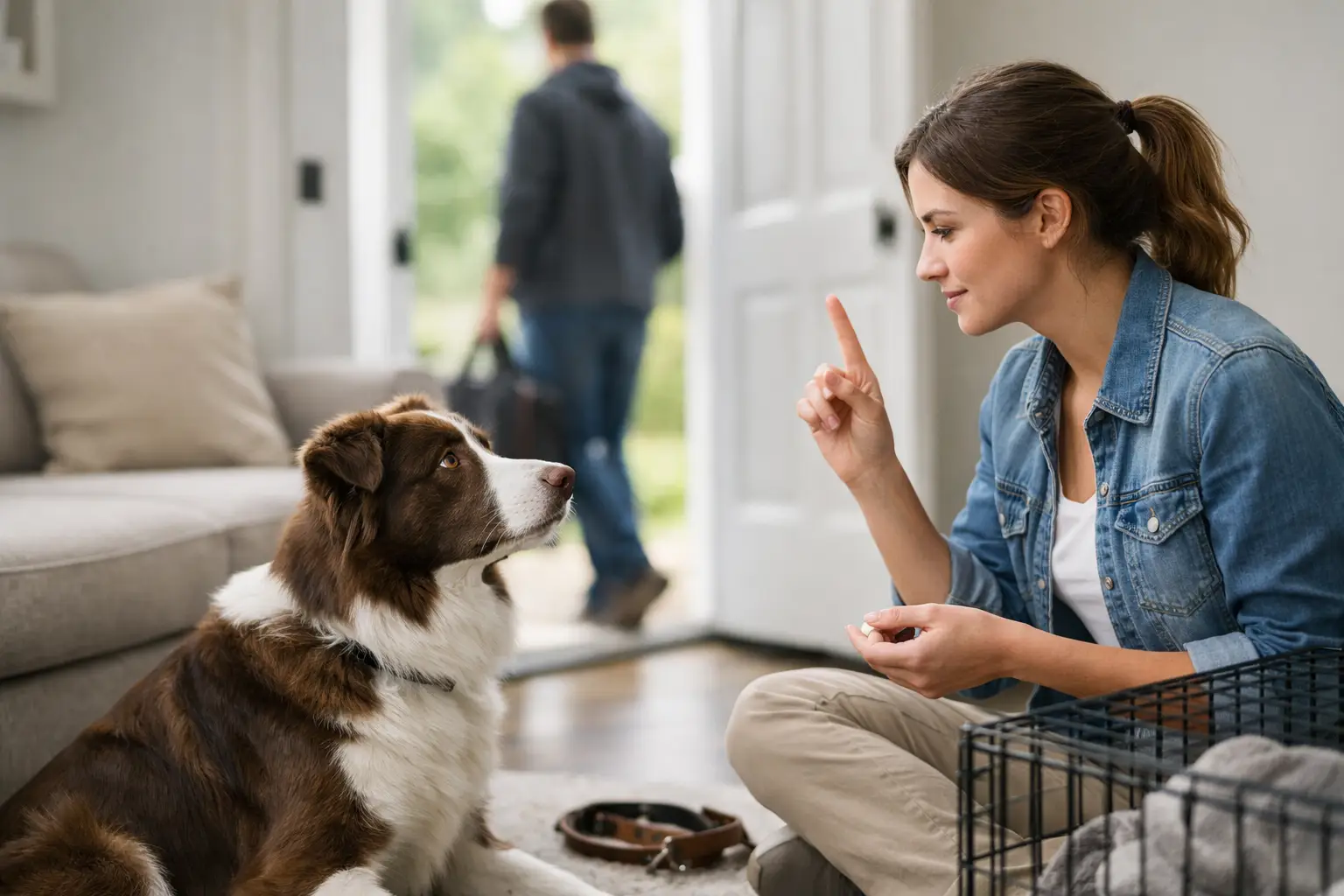
✅ Step 4: Practice “Stay” Training
Teach your dog to stay in place:
- Start with short distance
- Reward calm staying
👉 Builds discipline + independence
✅ Step 5: Don’t Overreact When Leaving
Leaving should feel normal.
❌ Don’t:
- Make emotional goodbyes
✅ Do:
- Leave calmly
- Return calmly
👉 Reduces anxiety trigger.
⚠️ Common Mistakes
- Giving attention at wrong time
- Allowing constant shadowing
- Ignoring early signs
- Inconsistent training
👉 These make anxiety worse over time.
⏳ How Long Does It Take?
- Mild cases: 1–2 weeks
- Moderate: 3–4 weeks
- Severe: longer
Consistency is key.
💡 Pro Tip (Most Owners Miss This)
This behavior doesn’t fix itself.
If ignored:
👉 It often turns into full separation anxiety
👉 Which is MUCH harder to fix later
🐶 Final Thoughts
Your dog follows you because it feels safe.
But your goal is:
✔ A dog that loves you
✔ AND feels confident alone
That’s the balance.
🚀 Fix It Before It Gets Worse
If your dog already struggles being alone…
👉 Don’t wait.
Use a proven system here:
https://optimistdog.com/recommends/dogbrain/
This training helps you:
- Build independence
- Stop anxiety behaviors
- Create a calm, well-behaved dog
👉 Start now and prevent bigger problems later.
Recommended Reading:



Comment