Helping You Raise a Calm, Happy & Well-Behaved Dog
Dog Behavior Problems and Solutions That Work
admin,
Sharing is caring 😉
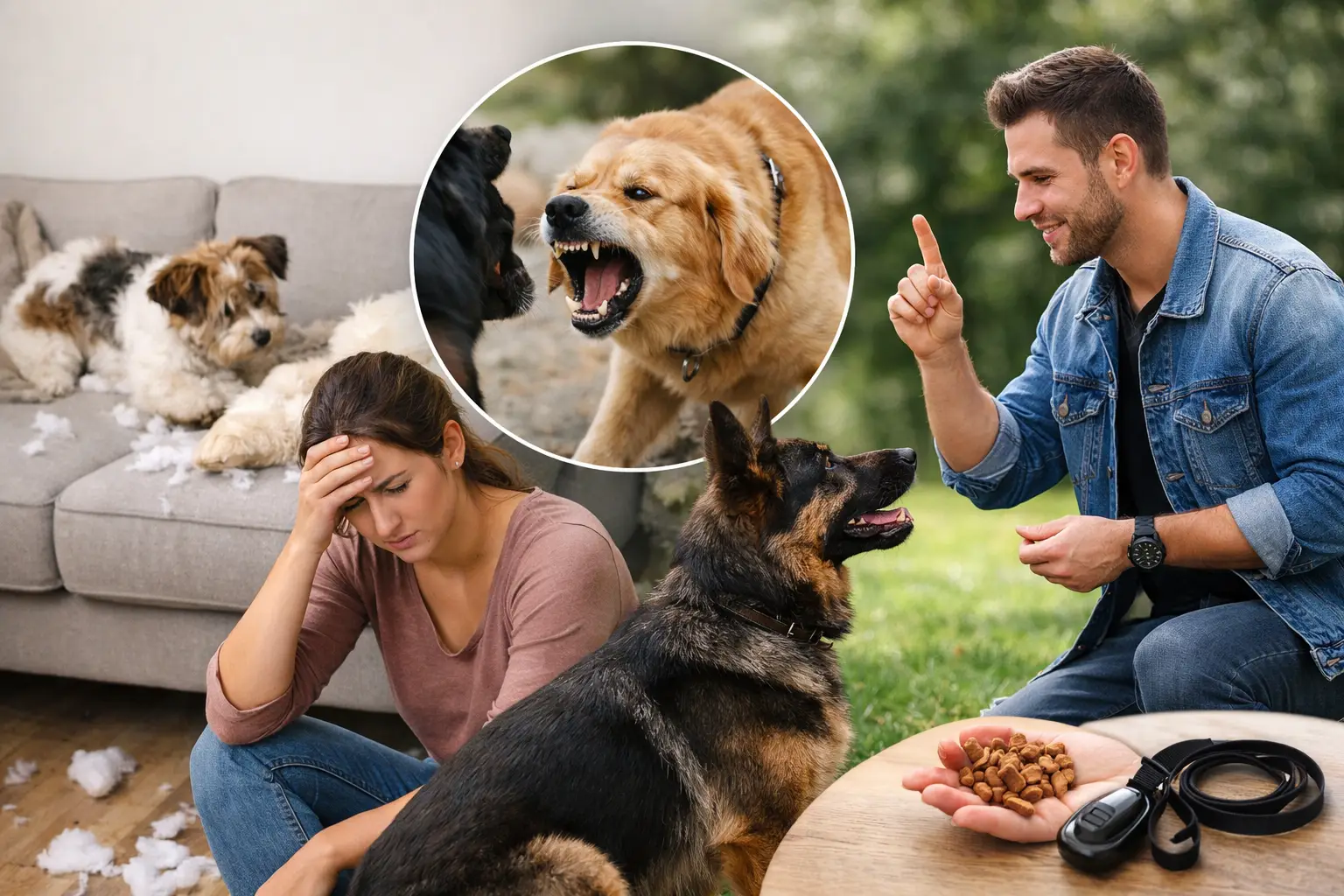
A dog that barks at every noise, drags you down the street, or ignores you the second the front door opens can make daily life feel stressful fast. The good news is that most dog behavior problems and solutions are more straightforward than they seem once you stop guessing and start training with a clear plan.
A lot of owners think they have a stubborn dog, a dominant dog, or a dog that just refuses to listen. Usually, that is not the real issue. Most behavior problems come from a small set of causes – unclear expectations, inconsistent follow-through, too much freedom too soon, poor impulse control, or unmet physical and mental needs. When you address those root problems, behavior starts to change.
Why dog behavior problems happen in the first place
Bad behavior rarely appears out of nowhere. Dogs repeat what works for them. If barking gets attention, it gets repeated. If pulling gets the dog where it wants to go, pulling gets stronger. If jumping earns eye contact, talking, or petting, jumping becomes a habit.
That is why punishment alone usually fails. You may interrupt the behavior in the moment, but if you do not teach the dog what to do instead, the problem comes back. Real progress happens when you remove the payoff for the unwanted behavior and build a better pattern the dog understands.
Age matters too. Puppies mouth, chew, and have accidents because they are learning. Adolescent dogs often test boundaries, get distracted, and act like they forgot everything. Adult dogs can carry habits that have been reinforced for years. The fix is still possible in all three cases, but your expectations should match the dog in front of you.
The most common dog behavior problems and solutions
Some problems look very different on the surface, but the training principles behind them are often the same. You need management to stop the dog from rehearsing the bad habit, and you need training to build a new one.
Barking
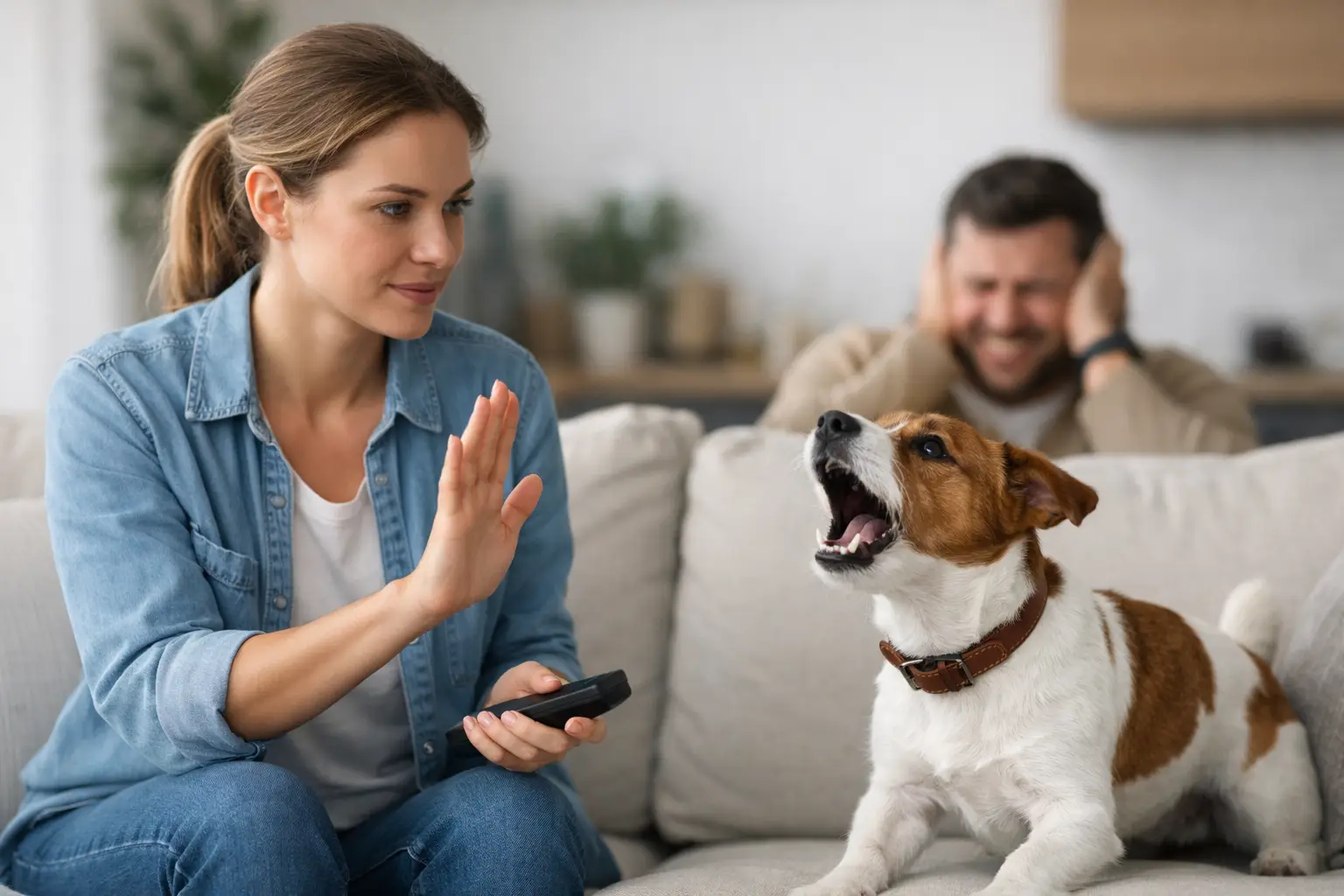
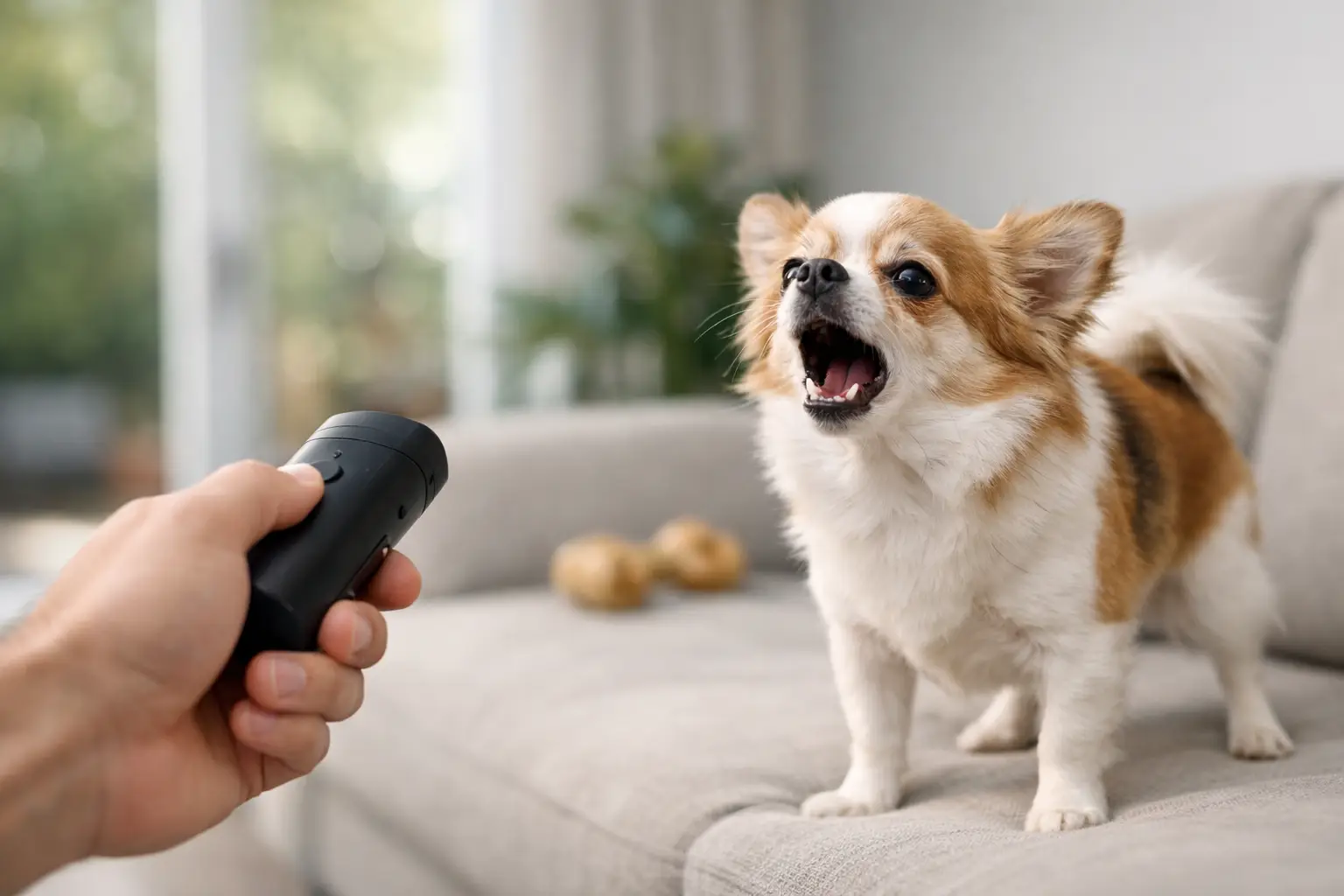
Barking is one of the biggest frustration points for owners because it feels nonstop. But barking is not just one problem. Some dogs bark from excitement, some from boredom, some from alertness, and some from anxiety. If you do not know which one you are dealing with, your training will feel hit or miss.
Start by reducing the situations that trigger unnecessary barking. Block windows if your dog explodes at every passerby. Do not hype your dog up before walks if excitement barking is the issue. Make sure your dog is getting enough exercise and structured activity if boredom plays a role.
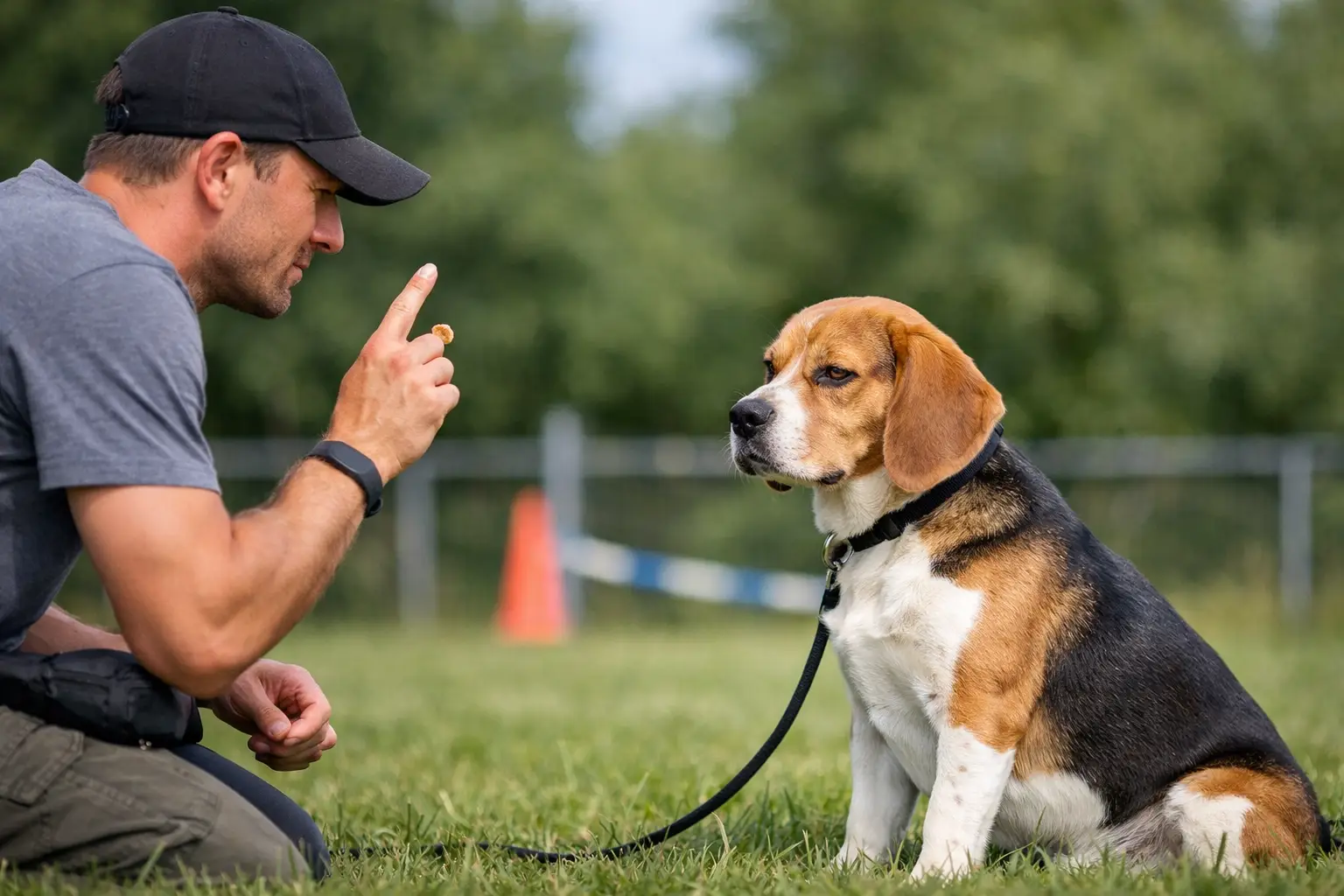
Then teach an incompatible behavior. That could be going to a bed, making eye contact, or sitting quietly before getting what the dog wants. Reward calm fast. Calm behavior is easy to miss because it is quiet, but that is exactly what you want more of.
Pulling on the leash
Leash pulling continues because it works. The dog pulls, and the walk continues. That means the walk itself is reinforcing the problem.
To fix it, stop letting pulling move the dog forward. That may mean stopping when the leash goes tight, changing direction, or rewarding the dog for walking in position with a loose leash. The exact method matters less than consistency. If your dog gets rewarded for pulling three times out of ten, the habit stays alive.
This is also where owners often expect too much too soon. Loose-leash walking is a skill, not a mood. Build it in short sessions with low distraction before expecting it on a busy sidewalk.
Jumping on people
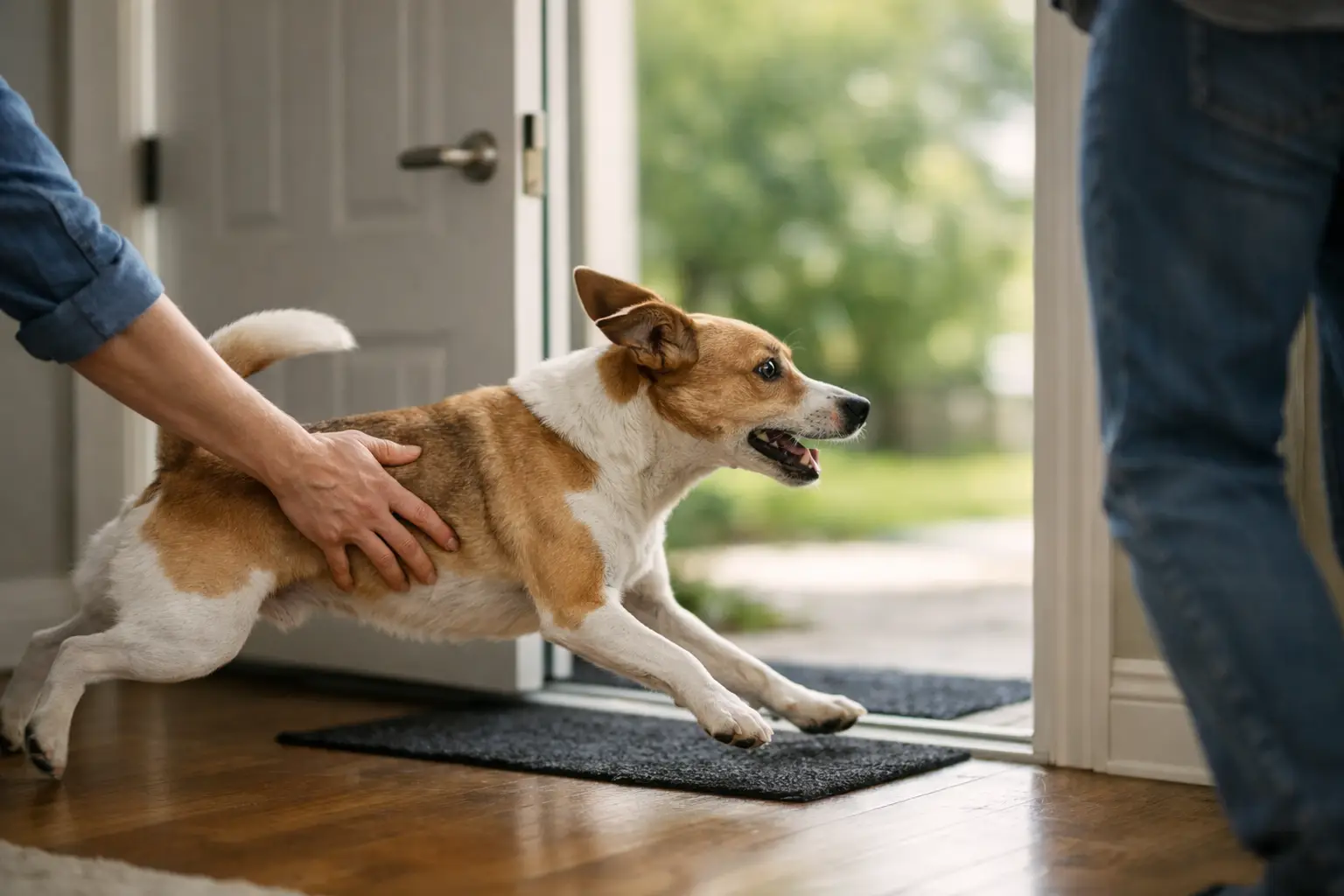
Jumping is usually social behavior that has been rewarded. Even pushing the dog off can feel like attention. If guests squeal, talk, or touch the dog, jumping becomes even more exciting.
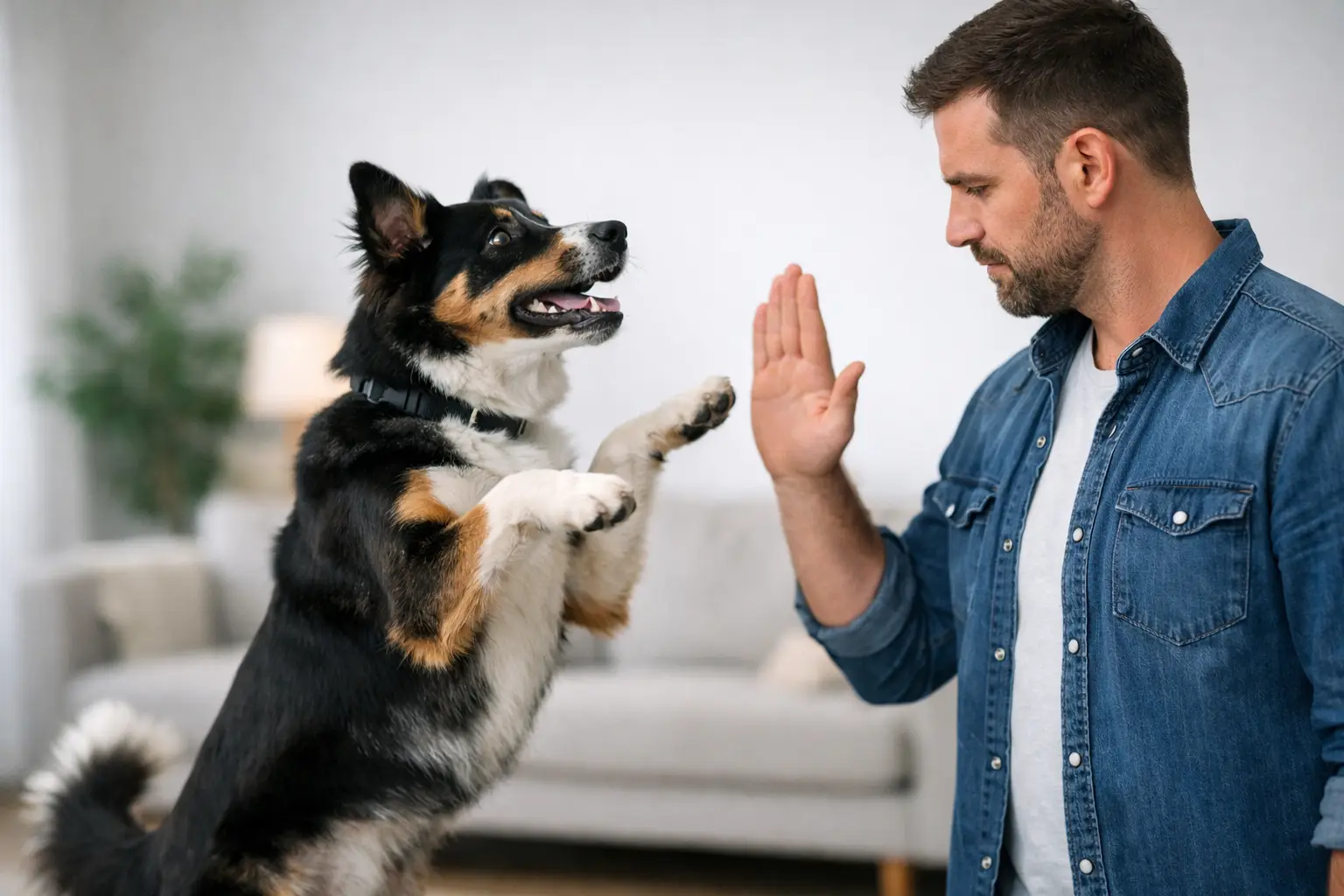
The fastest path is to remove the reward and teach a replacement. Keep greetings controlled. Use a leash if needed. Ask for a sit before attention starts, and have people interact only when four paws are on the floor. If the dog pops up, attention stops.
This takes coordination from everyone in the house. A dog cannot learn that jumping never works if it still works on your friends, your kids, or you after a long workday.
Destructive chewing
Chewing is normal. Destroying your couch is not. The difference usually comes down to supervision, outlet, and confinement.
Dogs that chew inappropriately often have too much access and too little guidance. If your dog keeps making bad choices, freedom needs to shrink for now. Use crates, pens, tethers, and closed doors so the dog cannot practice the habit. Then provide legal chewing options and actively reinforce using them.
If the dog is young, teething may be part of the picture. If the dog is older, boredom or anxiety may be driving the behavior. Either way, management is not failure. It is how you protect your home while training catches up.
Not coming when called
A weak recall is dangerous, not just annoying. The biggest mistake owners make is calling the dog when they cannot enforce it, then repeating the cue until it means nothing.
Your recall has to become worth responding to. Start indoors or in a fenced area. Say the cue once, reward heavily when the dog comes, and avoid using the cue right before something the dog dislikes, like nail trims or the end of playtime, at least while you are building the behavior.
Long lines are extremely useful here. They give you safety and control without giving the dog the option to ignore you and self-reward by running off.
Aggression or reactivity
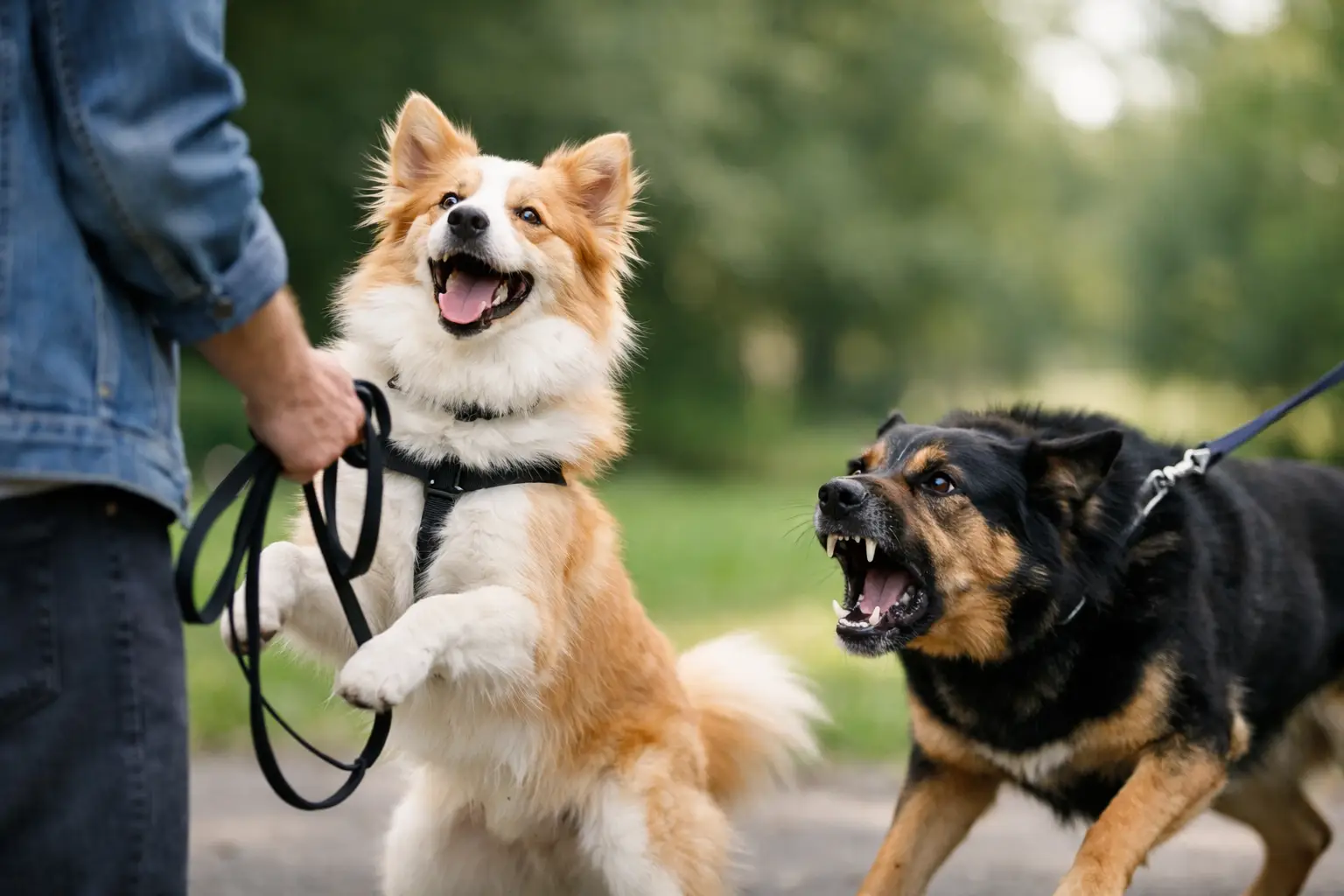
This is where confidence matters, but so does caution. Barking, lunging, growling, and snapping can come from fear, frustration, guarding, or overarousal. The label matters less than this fact: do not wing it.
Management comes first. Prevent close calls. Increase distance from triggers. Use equipment that gives you physical control. Do not force interactions your dog cannot handle.
Training should focus on changing the dog’s emotional response and building better behaviors around triggers. That often means working at a distance where your dog can still think, rewarding engagement with you, and progressing gradually. If your dog has a bite history or serious aggression, professional help is the right move.
What actually helps training work faster
Owners often know what they want their dog to stop doing. They are less clear on what they want the dog to do instead. That gap slows everything down.
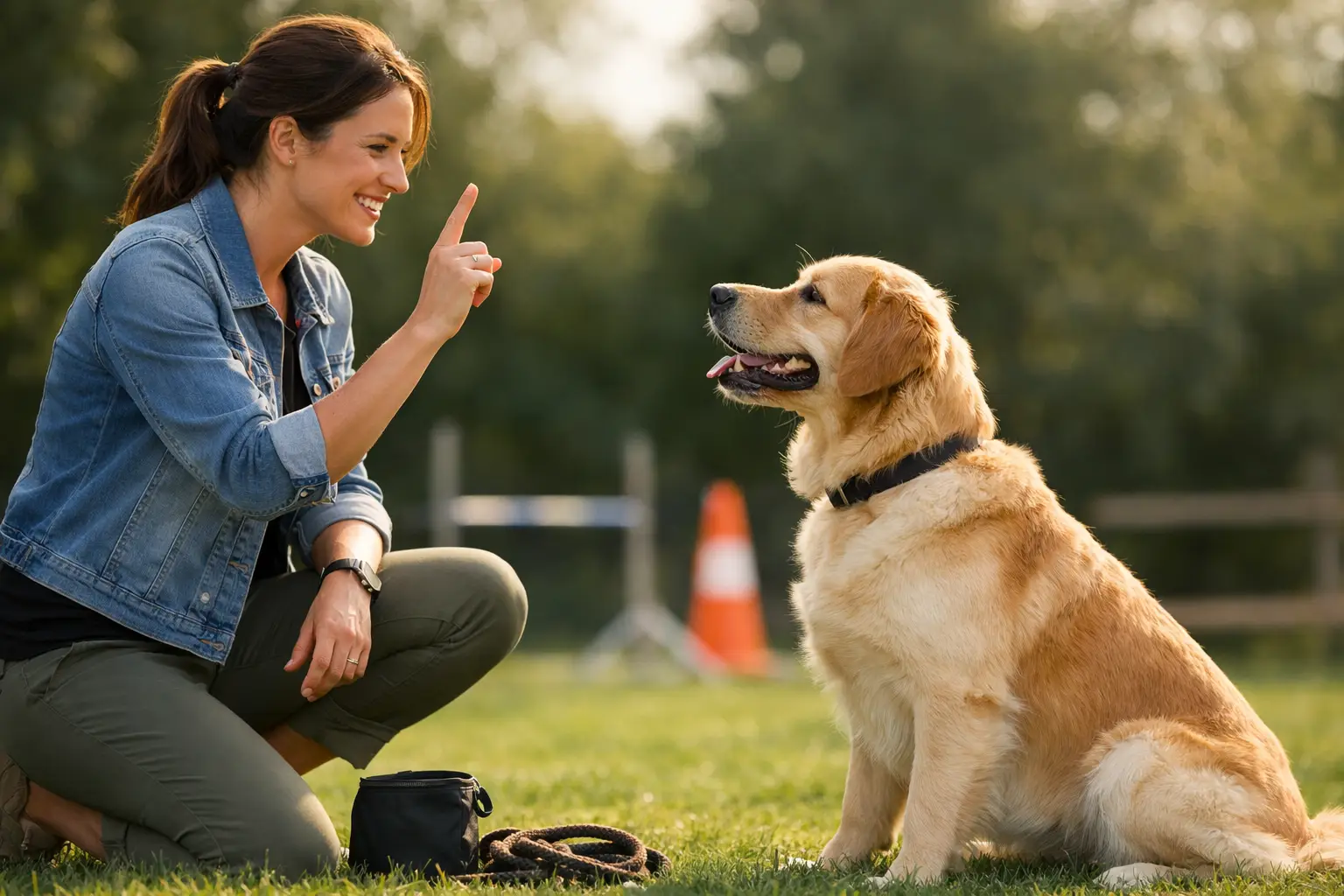
Clear communication speeds up training. If your dog barks at the door, teach place. If your dog jumps on guests, teach sit and wait. If your dog loses control around food, teach leave it and duration. Good training is not just correction. It is replacement.
Consistency matters just as much. Dogs do not understand weekend rules and weekday rules. If a behavior is off-limits, it has to stay off-limits. If a cue matters, it has to be enforced every time you use it.
Structure also changes behavior faster than most owners expect. Dogs that are anxious, pushy, or wildly overexcited usually benefit from a simpler routine with more guidance. Scheduled exercise, crate time, place training, leash work, and short obedience sessions create clarity. Clarity reduces chaos.
When the problem is really a lifestyle problem
Some behavior issues are not solved by one trick or one command because the real problem is the dog’s daily routine. A dog with no boundaries in the house, inconsistent exercise, random feeding habits, and nonstop stimulation is harder to train. Not impossible, just harder.
That does not mean your dog needs hours of work every day. It means your dog needs a system. A few short training sessions, better supervision, structured walks, and less accidental reinforcement can completely change the picture.
This is why step-by-step training tends to beat random tips from social media. Quick tips can help in the moment, but behavior change usually comes from a repeatable process. If you want a clear path, Optimist Dog focuses on exactly that – practical training that helps owners fix behavior problems and build reliable obedience at home.
How to know if your approach is working
You do not need perfection right away. You need trends. Is the barking shorter? Are walks calmer in low-distraction places? Is your dog recovering faster after seeing a trigger? Those are real wins.
Progress is rarely a straight line. Dogs improve, then hit a rough day, especially during adolescence or around new distractions. That does not mean the training failed. It usually means the difficulty jumped faster than the dog’s skill level. Go back a step, tighten your consistency, and keep going.
What matters most is whether your dog is getting clearer, calmer, and more reliable over time. If yes, stay the course. If not, the answer is usually not more intensity. It is better timing, better management, and a simpler plan.
Living with a difficult dog can feel personal, but it usually is not. Your dog is responding to patterns, and patterns can be changed. Start with one problem, get consistent, and let small wins build momentum. That is how hard dogs become easier dogs to live with.






Comment