Helping You Raise a Calm, Happy & Well-Behaved Dog
Best Dog Training Routines for Real Obedience
Sara Michael,
Sharing is caring 😉
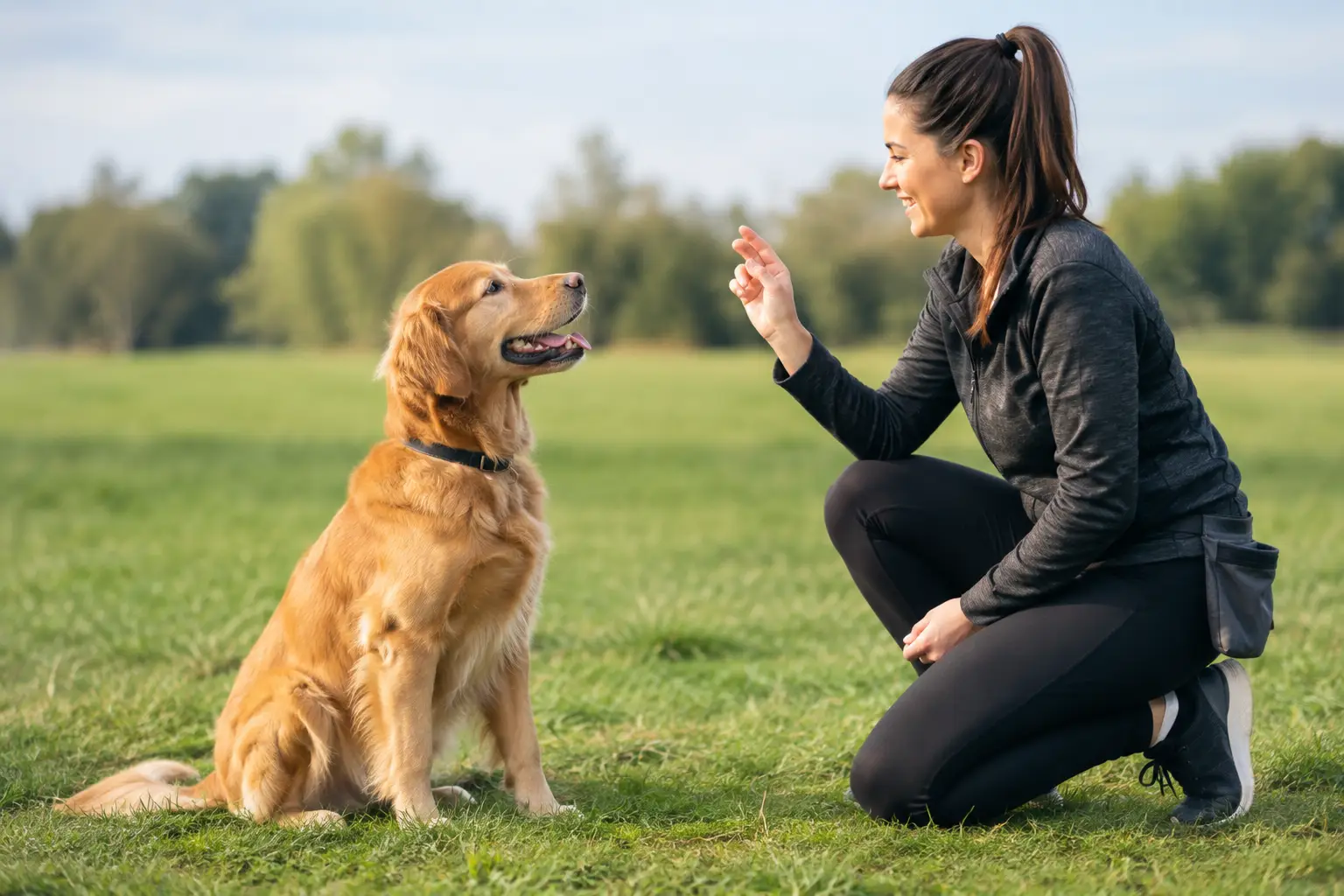
A dog that listens reliably is not usually the dog with the longest training sessions. It is the dog whose owner practices the right skills often enough, clearly enough, and in the places where real life happens. The best dog training routines fit into your day, build on small wins, and give your dog a clear answer to one question: what should I do instead?
That matters whether you are raising a puppy, dealing with a teenage dog who suddenly ignores you, or trying to stop long-standing barking, pulling, jumping, or destructive habits. Random commands when problems appear will only get you random results. A routine gives you a plan.
What the Best Dog Training Routines Have in Common
Effective routines are short, consistent, and focused. Most dogs learn more from two or three five-minute sessions than from one long session after everyone is already frustrated. Short practice lets you reward correct choices quickly and stop before your dog loses focus.
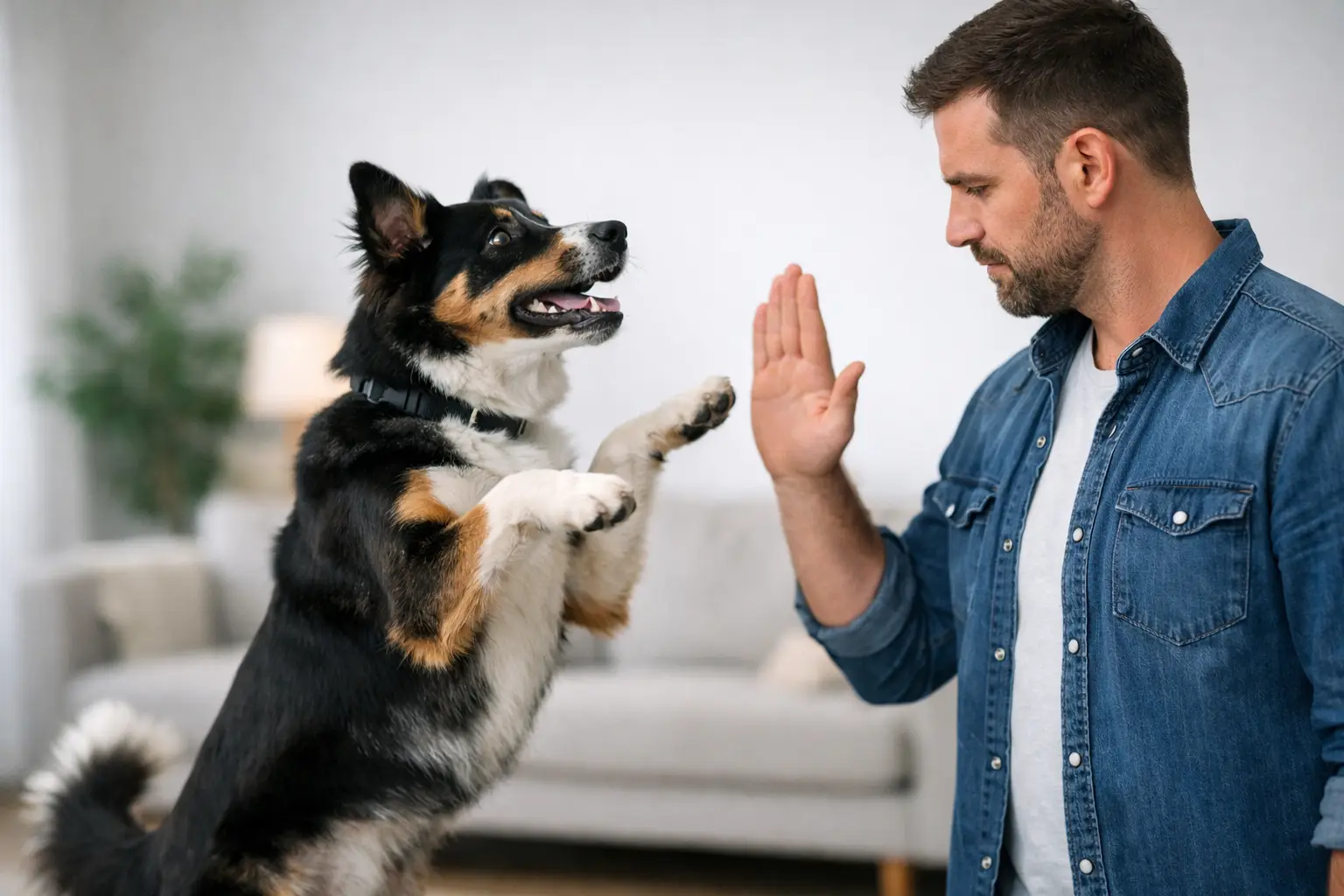
The goal is not to drill commands until your dog looks bored. The goal is to teach a skill, practice it in easier situations, then gradually use it around the distractions that normally cause trouble. A dog may know “sit” in the kitchen and still struggle at the front door when a delivery arrives. That is not stubbornness. It means the skill needs more practice in that setting.
Your routine should also include management. If your dog rehearses barking at the window for an hour every afternoon, five minutes of quiet training will have a hard time competing. Close the blinds, use a gate, provide a chew, or keep your dog with you while you teach a better response. Training works faster when your dog gets fewer chances to practice the behavior you want to stop.
A Daily Dog Training Routine That Works at Home
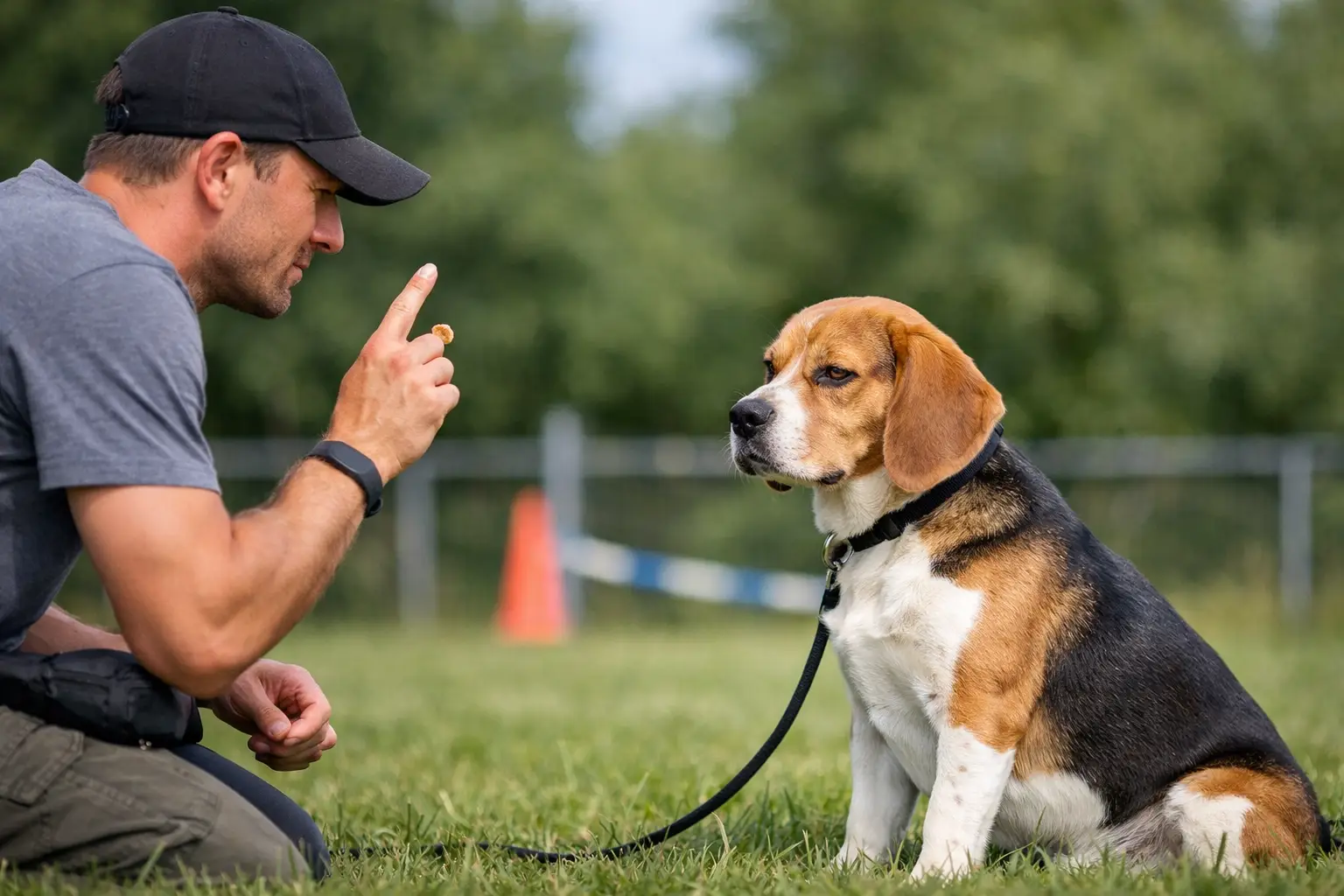
Start with a simple rhythm you can repeat every day. You do not need special equipment or an hour of free time. You need a leash, rewards your dog cares about, and a plan to notice good choices.
Morning: Practice Calm Before the Day Starts
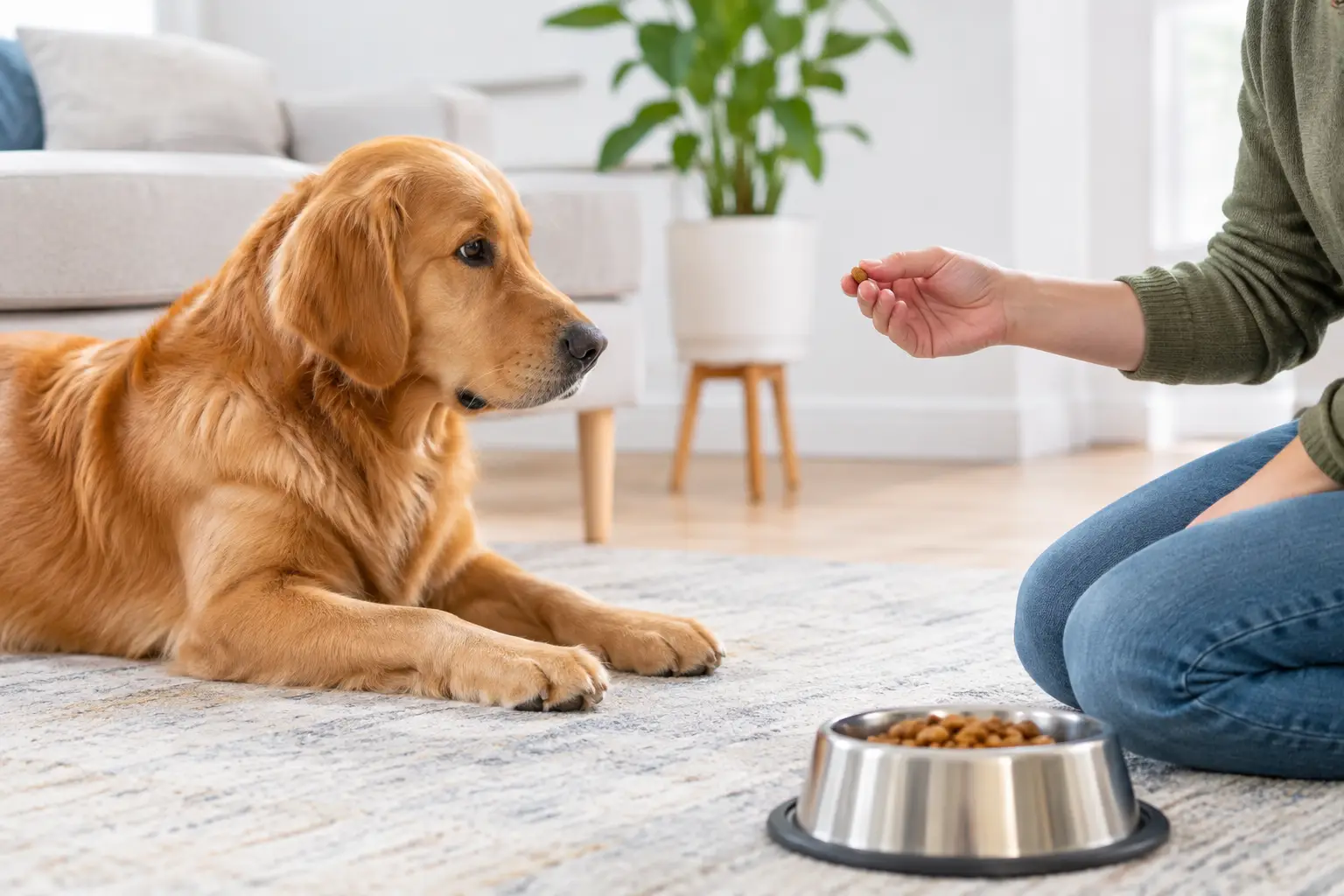
Before breakfast or the morning walk, ask for a few easy behaviors. Have your dog sit before the food bowl goes down, wait briefly at the door, and check in with you before heading outside. Reward right away.
This is not about making your dog “earn everything” in a harsh way. It is about showing your dog that calm behavior opens doors, starts walks, and brings good things. Those small repetitions build impulse control without turning training into a battle.
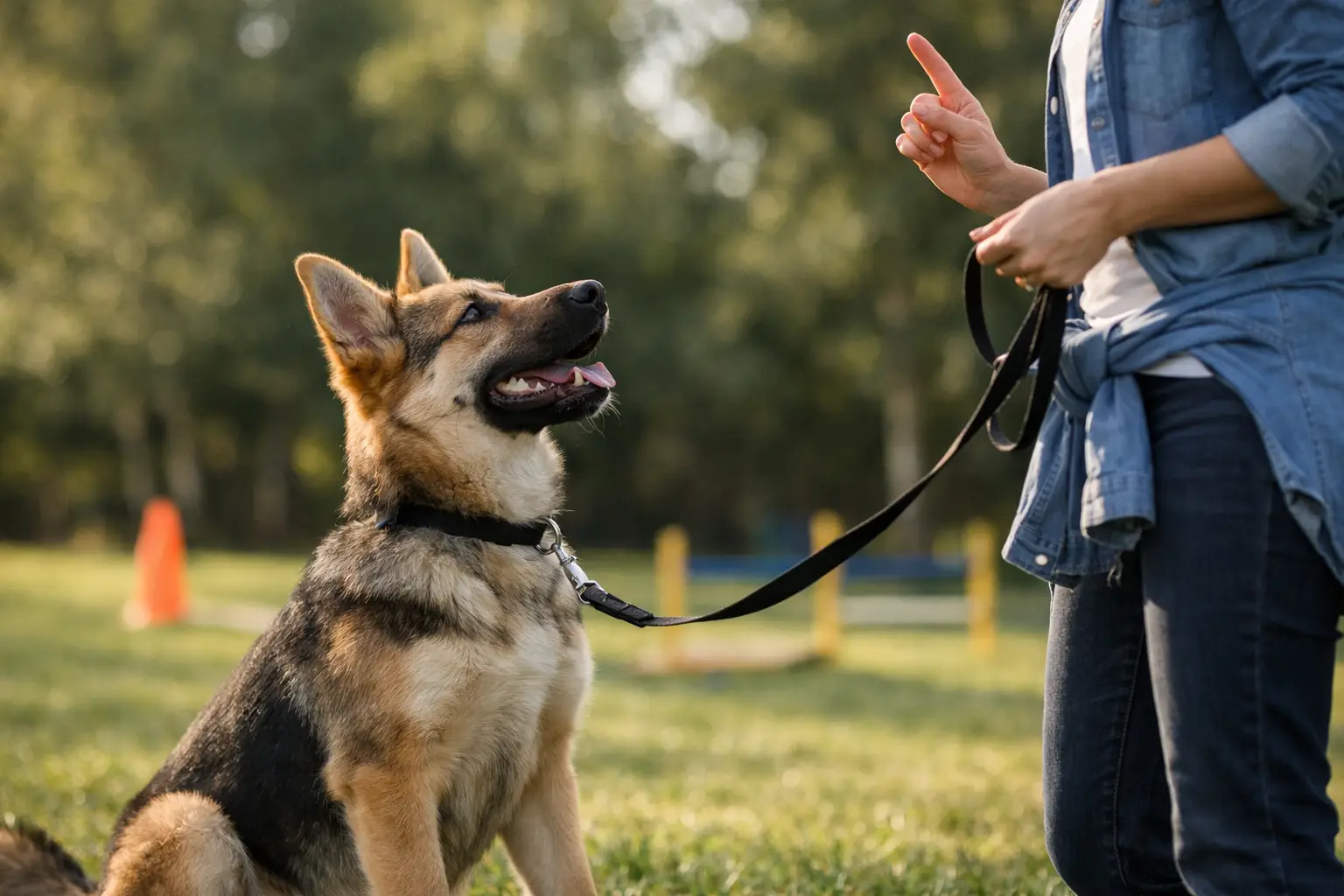
During the walk, spend a few minutes rewarding a loose leash and attention. If your dog pulls, do not drag them toward the distraction. Stop, turn, or create space until the leash loosens, then continue. For many dogs, moving forward is a powerful reward. Teach them that a loose leash makes the walk happen.
Midday: Build Focus in Short Sessions
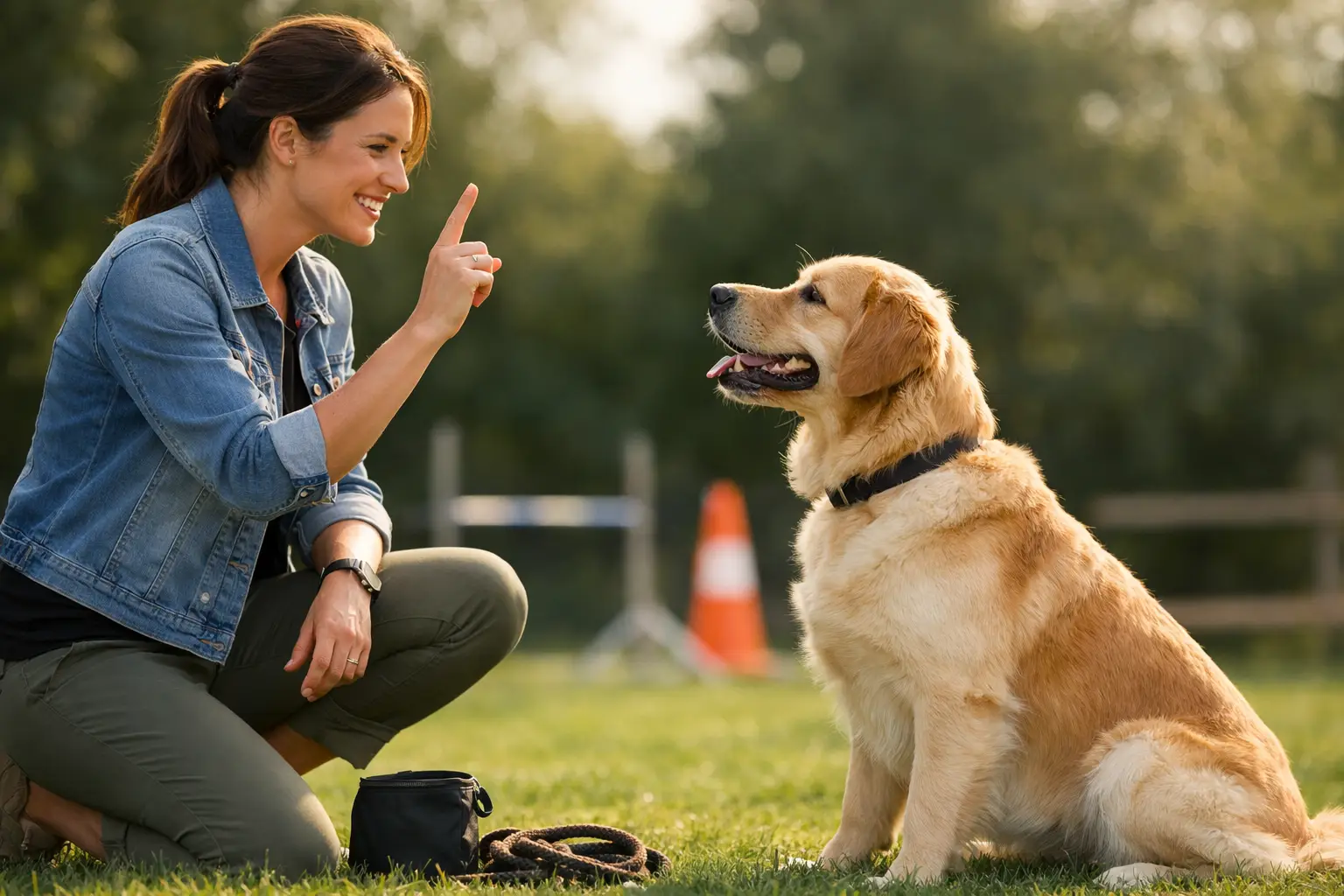
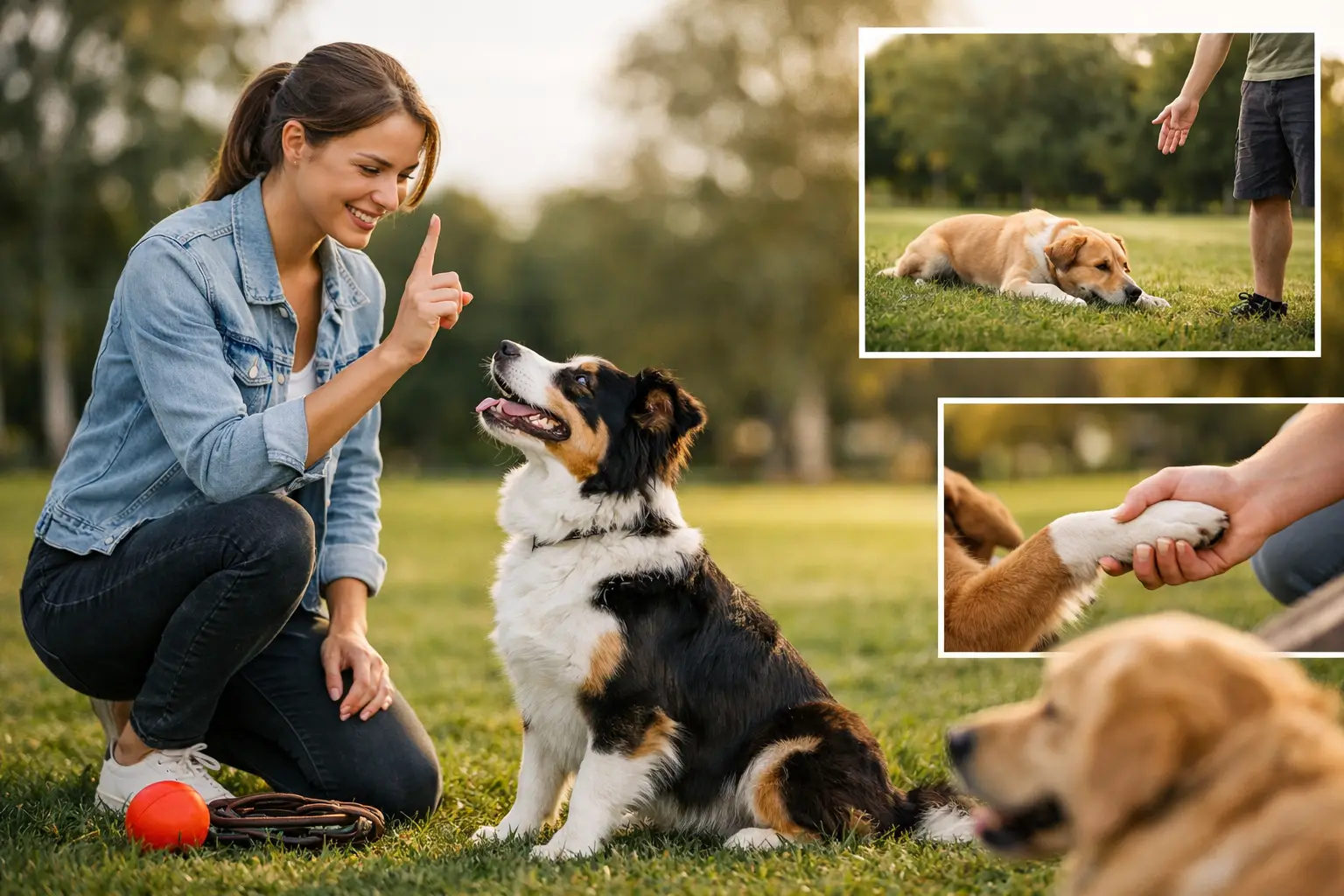
Use a five-minute session to practice one or two skills indoors. Good choices include name response, sit, down, stay, come, place, or leave it. Keep the environment easy at first. If your dog misses three repetitions in a row, the exercise is too difficult, the reward is not valuable enough, or your dog needs a break.
A simple recall game works well for puppies and adult dogs. Say your dog’s name followed by “come” once, move backward a few steps, and reward generously when your dog reaches you. Do not call your dog to you for something unpleasant whenever you can avoid it. If “come” always ends the fun, your dog will learn to hesitate.
For dogs that struggle to settle, practice a place routine. Lead your dog to a bed or mat, reward them for stepping on it, then reward again for lying down and staying calm. Start with seconds, not minutes. A reliable place command becomes useful when guests arrive, meals are being prepared, or your dog gets overstimulated by activity in the house.
Evening: Train Around Real-Life Distractions
Evening is often when problem behavior shows up. The family is home, noises increase, visitors may arrive, and your dog has extra energy. Use this time for controlled practice rather than waiting for chaos.
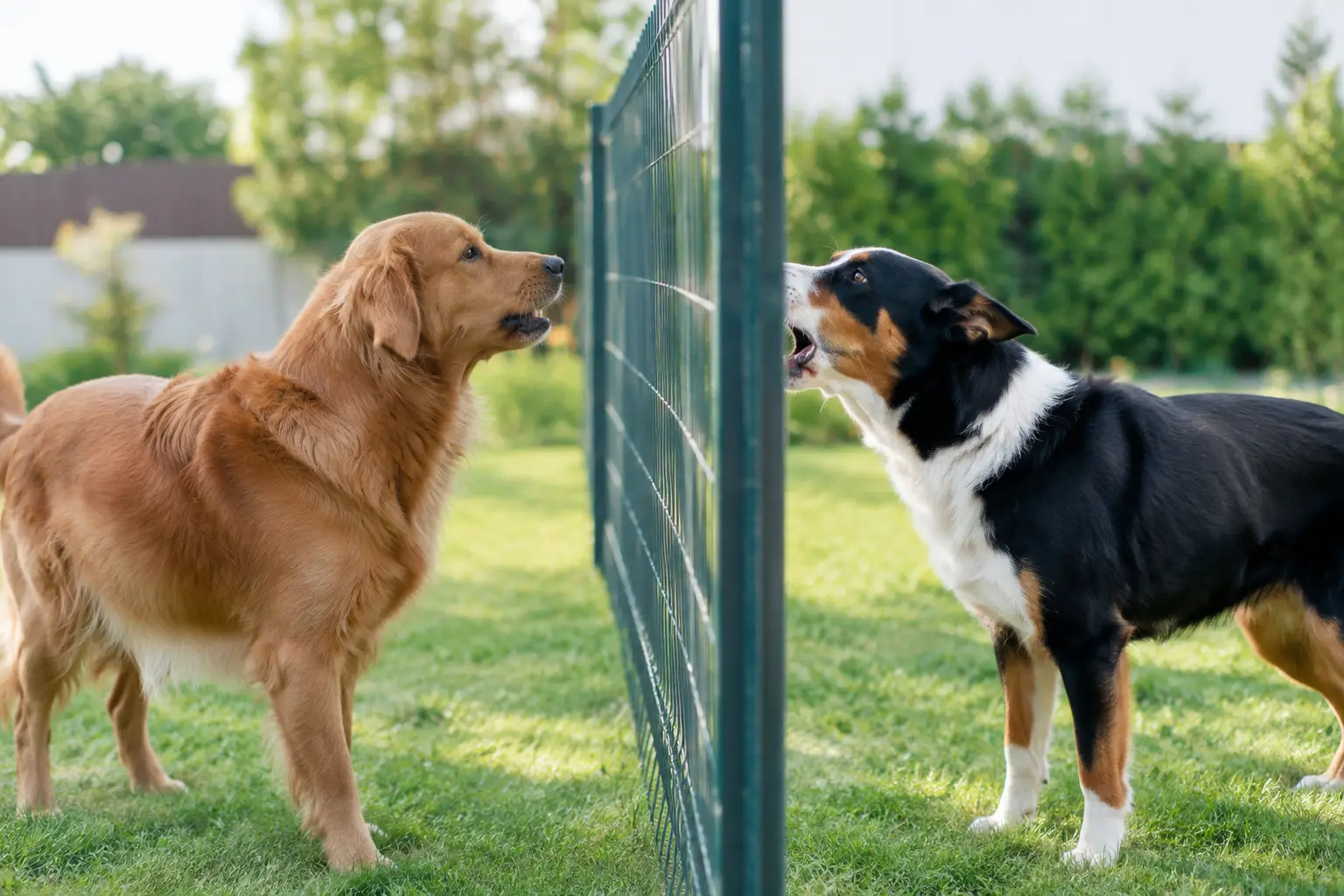
If your dog barks at door sounds, begin far enough away that they can still think. Play a low-level sound or have a family member make a mild noise at the door. Ask for a turn toward you, a sit, or a move to place, then reward. Increase the challenge gradually. Do not expect a dog who explodes at every knock to stay calm on the first attempt.
For jumping, set up brief greetings with a family member. Reward four paws on the floor. If your dog jumps, the person calmly steps away. The greeting resumes only when your dog is calm. Your dog quickly learns which behavior makes attention continue.
Finish the day with a calm activity such as a chew, food puzzle, or quiet settle on a bed. A tired dog is not automatically a trained dog, but dogs with enough appropriate physical activity and mental work are easier to guide.
Match the Routine to Your Dog’s Biggest Problem
Not every dog needs the same plan. Obedience routines should support the behavior issue you need to fix.
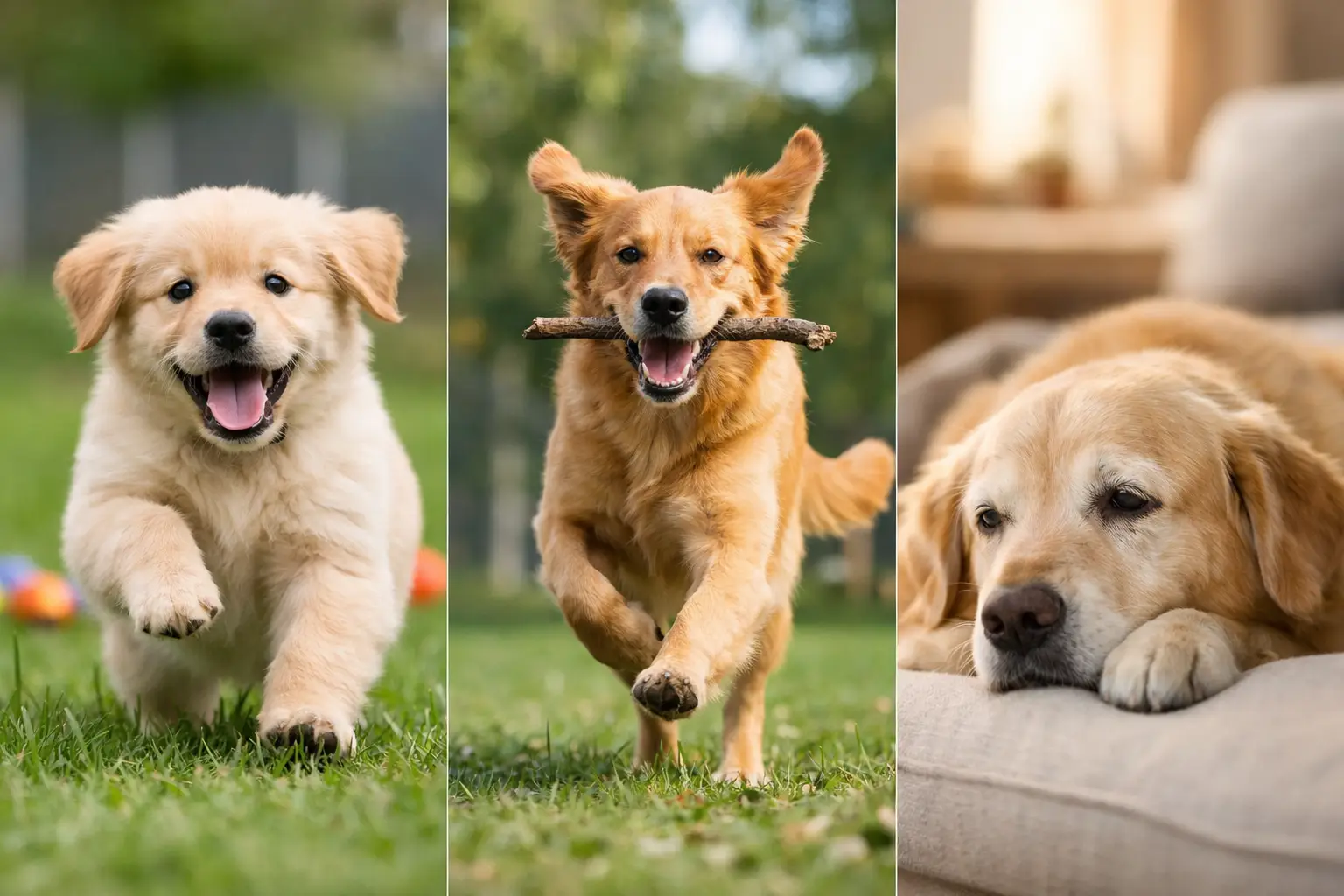
A puppy needs frequent, low-pressure practice. Focus on house training, chewing the right items, handling, name response, coming when called, and calm exposure to everyday life. Keep sessions upbeat. Your puppy is learning how the world works, not preparing for a formal test.
An adolescent dog often needs stronger consistency. This is the stage when many owners say, “He knows it, but he won’t do it.” Go back to rewarding the basics, use a leash or long line to prevent blown-off commands, and practice around distractions in small steps. Freedom should grow as reliability grows.
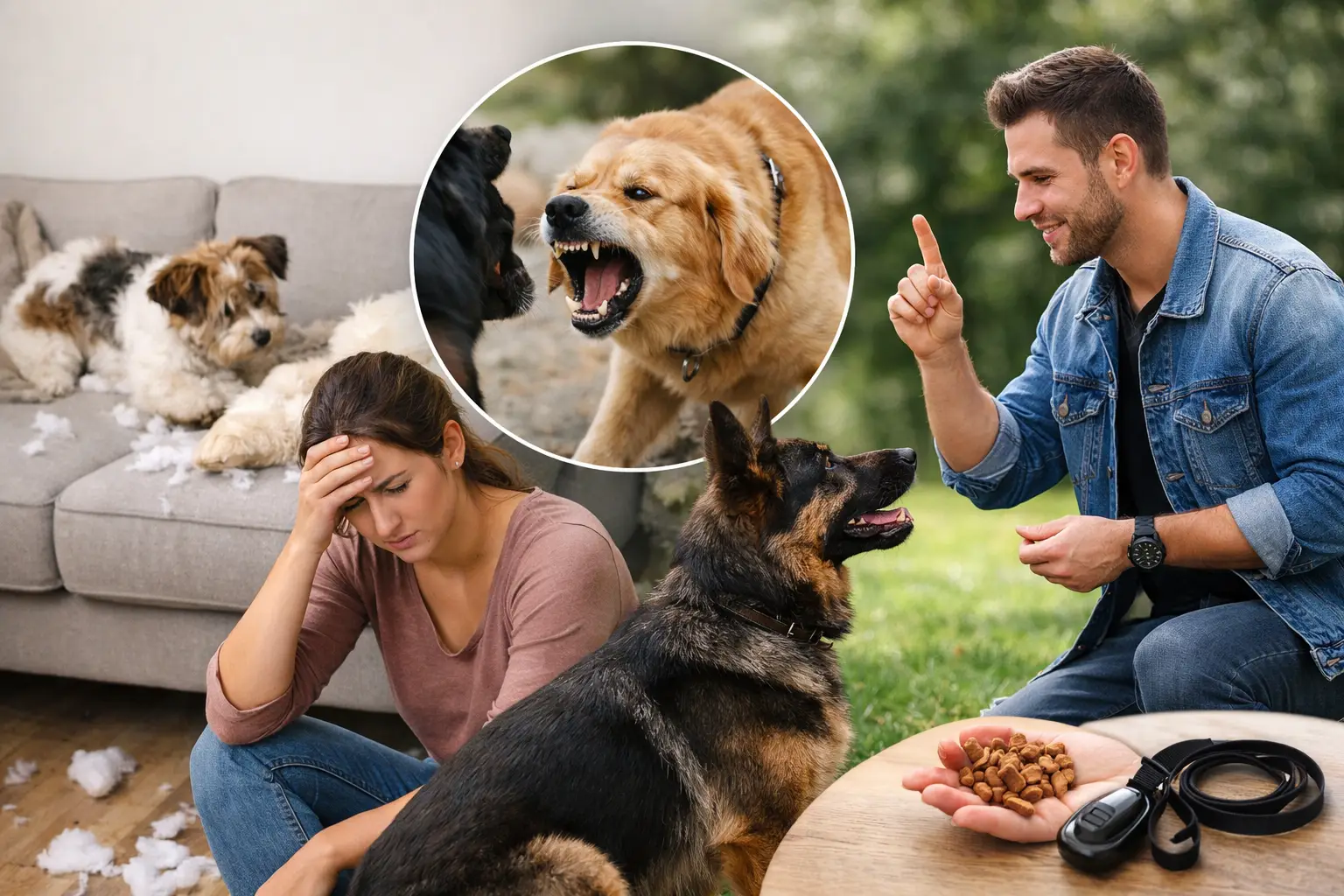
For barking, pulling, lunging, guarding, or destructive behavior, do not rely on corrections alone. First identify what triggers the behavior and what your dog gets from it. Then manage the trigger, teach an alternative action, and reward that alternative repeatedly. A dog that barks at passing dogs may need distance and a check-in routine before they can handle a busy sidewalk.
If your dog has bitten, seriously threatened someone, or reacts aggressively around people or animals, prioritize safety. Use secure management and get individualized help from a qualified professional. Do not test your dog’s limits to see whether they have improved.
How to Make Your Routine Stick
The routine that works is the one you can actually maintain. Attach training to events already on your schedule: meals, walks, doorways, television time, and bedtime. That removes the pressure of finding a perfect 30-minute training block.
Be consistent with your words. If “off,” “down,” and “get down” all mean the same thing, your dog has to guess. Choose one cue, teach it clearly, and follow through the same way each time. Everyone in the household should use the same rules whenever possible.
Rewards should match the difficulty. Kibble may be enough for an easy sit in the living room. A dog learning to ignore squirrels, guests, or other dogs may need chicken, cheese, a favorite toy, or access to something they want. Rewarding is not bribing when you are building a behavior. It is how you make the right choice worth repeating.
Track progress by looking for practical change. Is your dog settling faster when the doorbell rings? Are walks becoming less tense? Can your puppy stay dry longer between potty breaks? Small improvements count, and they tell you when it is time to make the next practice step harder.
When to Increase the Challenge
Do not add distractions just because several days have passed. Increase difficulty when your dog succeeds consistently in the current step. You might add distance, duration, movement, another person, a new location, or a mild distraction. Change one factor at a time.
For example, if your dog can stay on their bed for 30 seconds while you stand nearby, do not immediately expect five minutes while guests walk through the house. First take one step away, then two. Next, add a small movement. Gradual progress may feel slower, but it prevents the repeated failures that weaken a command.
A clear routine turns training from something you hope to get around to into part of the way you live with your dog. Start small today, reward the behavior you want to see again, and give your dog enough repetitions to get it right. Consistent practice is where calm homes and reliable dogs are built.