Helping You Raise a Calm, Happy & Well-Behaved Dog
How to Build Dog Impulse Control at Home
Sara Michael,
Sharing is caring 😉
Your dog sees a squirrel, hears the doorbell, or spots a dropped piece of food and suddenly seems to forget every cue they know. That is exactly why you need to build dog impulse control. This skill helps your dog pause, think, and choose a better response instead of reacting first.
Impulse control is not about making a dog calm every second of the day. It is about teaching them that patience pays. A dog who can wait briefly before going outside, greet without jumping, and leave food on the floor is easier to live with and safer in distracting situations.
The good news is that you do not need long, complicated training sessions. A few focused exercises, practiced consistently, can create noticeable changes in your dog’s daily behavior.
Impulse control is your dog’s ability to resist an immediate urge. The urge may be to pull toward another dog, bolt through an open door, grab food, bark at a window, or jump on a guest. The dog wants something right now, but learns that a calm choice gets better results.
This matters because many behavior problems are not caused by a dog being stubborn or trying to be “dominant.” They happen because the dog has practiced reacting quickly. Every time pulling gets your dog closer to a smell, jumping earns attention, or barking makes someone move away from the window, the behavior becomes more likely to happen again.
Training changes that pattern. Your dog learns a simple rule: rushing usually pauses access, while self-control makes good things happen.
Do not expect your dog to handle the hardest situations first. A young puppy, an excited adolescent dog, and a high-energy adult may all need to start with very easy versions of these exercises. That is not lowering the standard. It is how you build a behavior that holds up in real life.
How to Build Dog Impulse Control Step by Step
Start by deciding what reward matters most to your dog in that moment. Treats work well for many exercises, but real-life rewards are often even more powerful. Going outside, greeting a person, being released to sniff, getting a toy, or receiving dinner can all reward calm behavior.
The key is timing. Reward the choice you want before your dog loses control, not after they have jumped, pulled, or barked for thirty seconds. At first, that may mean rewarding only one second of waiting. Small wins become longer periods of patience.
Teach a Release Cue First
Your dog needs to understand that waiting is temporary. Choose one release word, such as “free,” “okay,” or “break,” and use it consistently. This tells your dog when they are allowed to move, eat, greet, or take the toy.
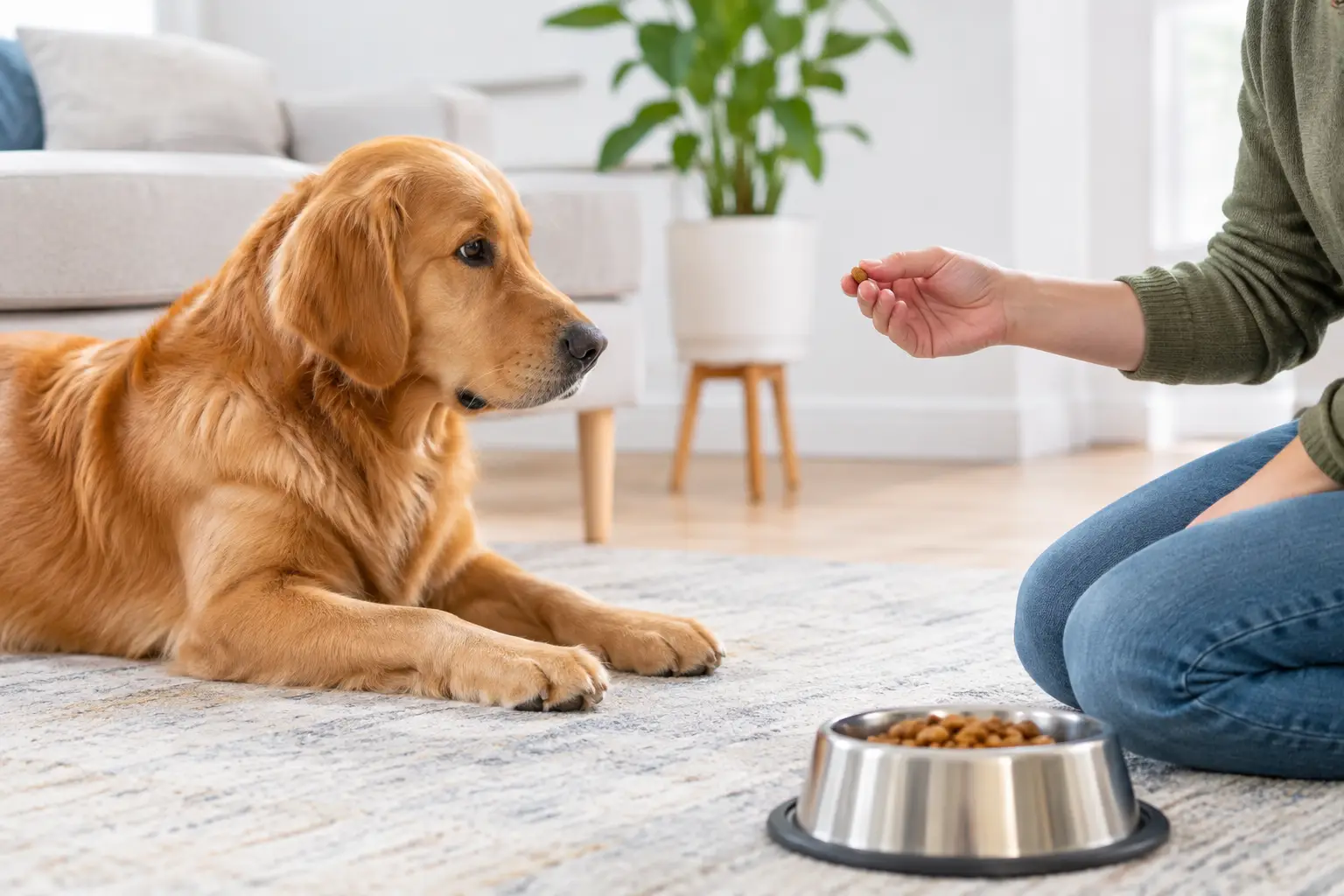
For example, ask your dog to sit before placing their food bowl down. Lower the bowl only as far as your dog can stay seated. If they stand up, quietly lift the bowl again. When they hold the sit, place the bowl down, pause for one second, then say your release word.
This exercise teaches a powerful lesson: rushing makes the reward wait, while staying calm makes it arrive. Keep the first sessions easy. You are not trying to test your dog. You are teaching them how to win.
Use Doorways as Daily Training Opportunities
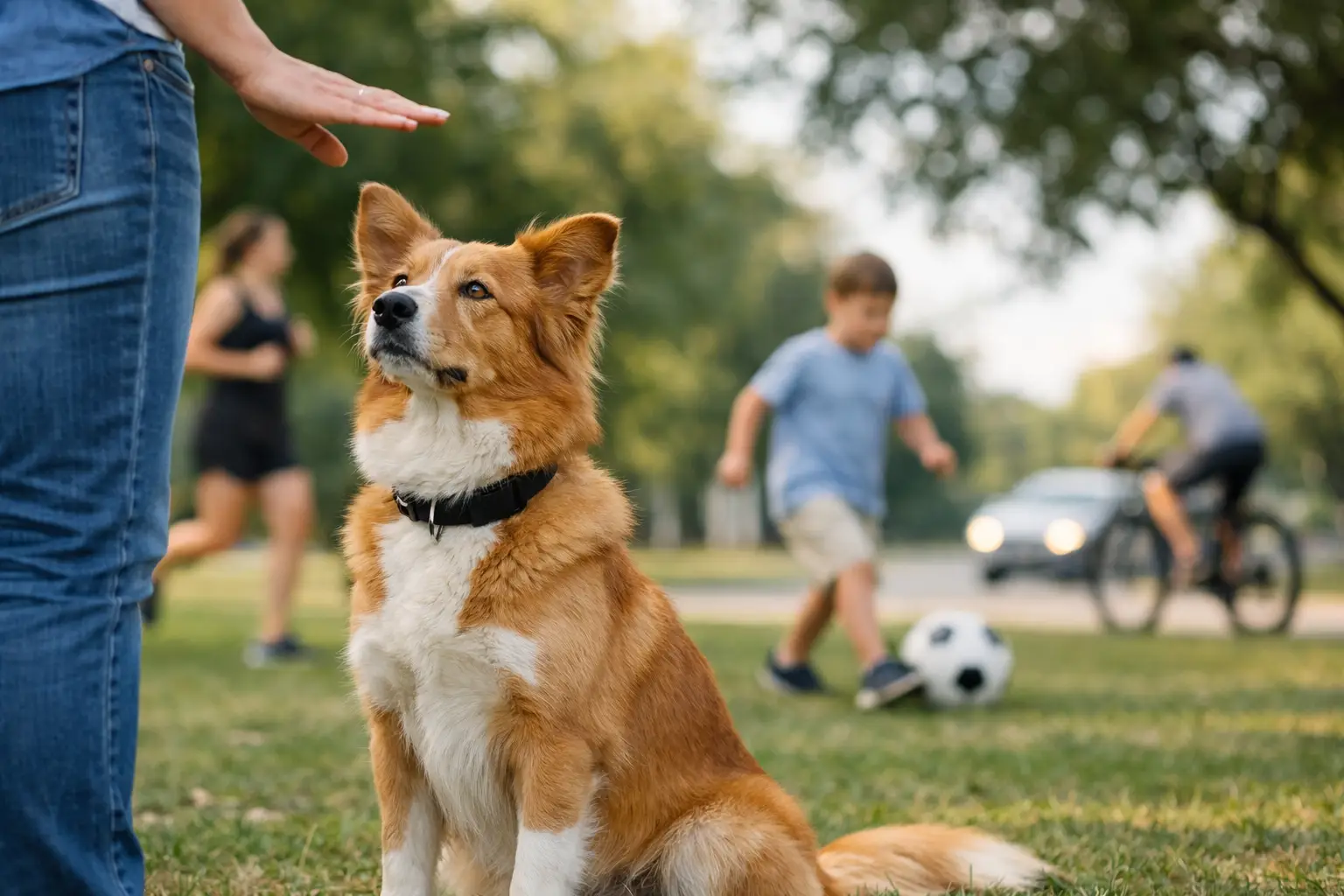
Door manners are one of the easiest ways to practice impulse control because you already use doors several times a day. Before opening the door for a walk or backyard break, ask for a sit or simply wait for four paws to stay on the floor.
Open the door a few inches. If your dog surges forward, close it calmly. There is no need to scold, repeat commands, or turn it into a battle. The closed door is clear feedback. When your dog pauses, open the door again. Once they can wait briefly with the door open, give the release cue and let them go through.
If your dog is extremely excited, begin with the leash on and work at an interior door. The front door may be too difficult at first because it predicts a walk, smells, people, and excitement. Build the skill where your dog can succeed, then gradually make it more challenging.
Practice “Leave It” Without Creating Frustration
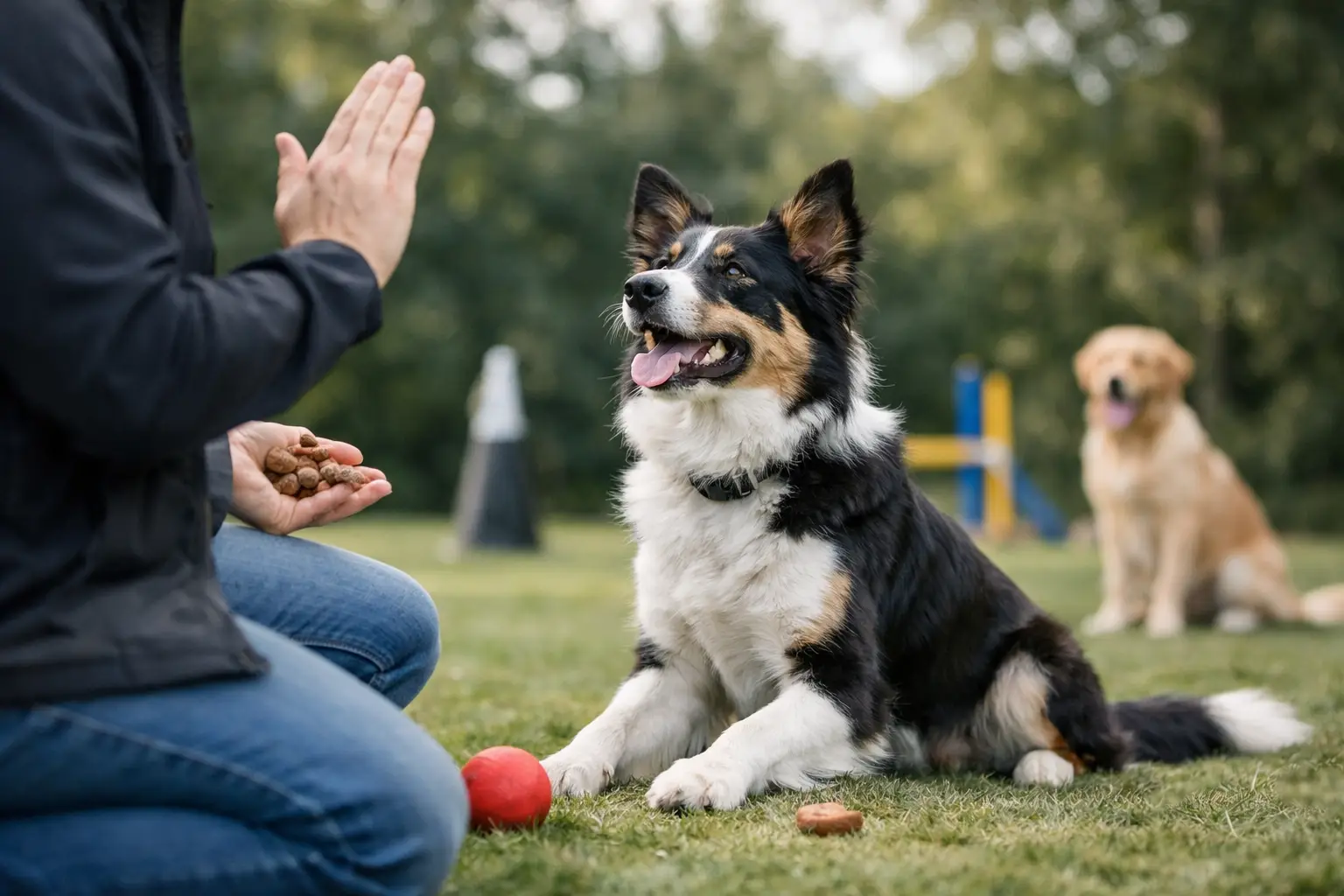
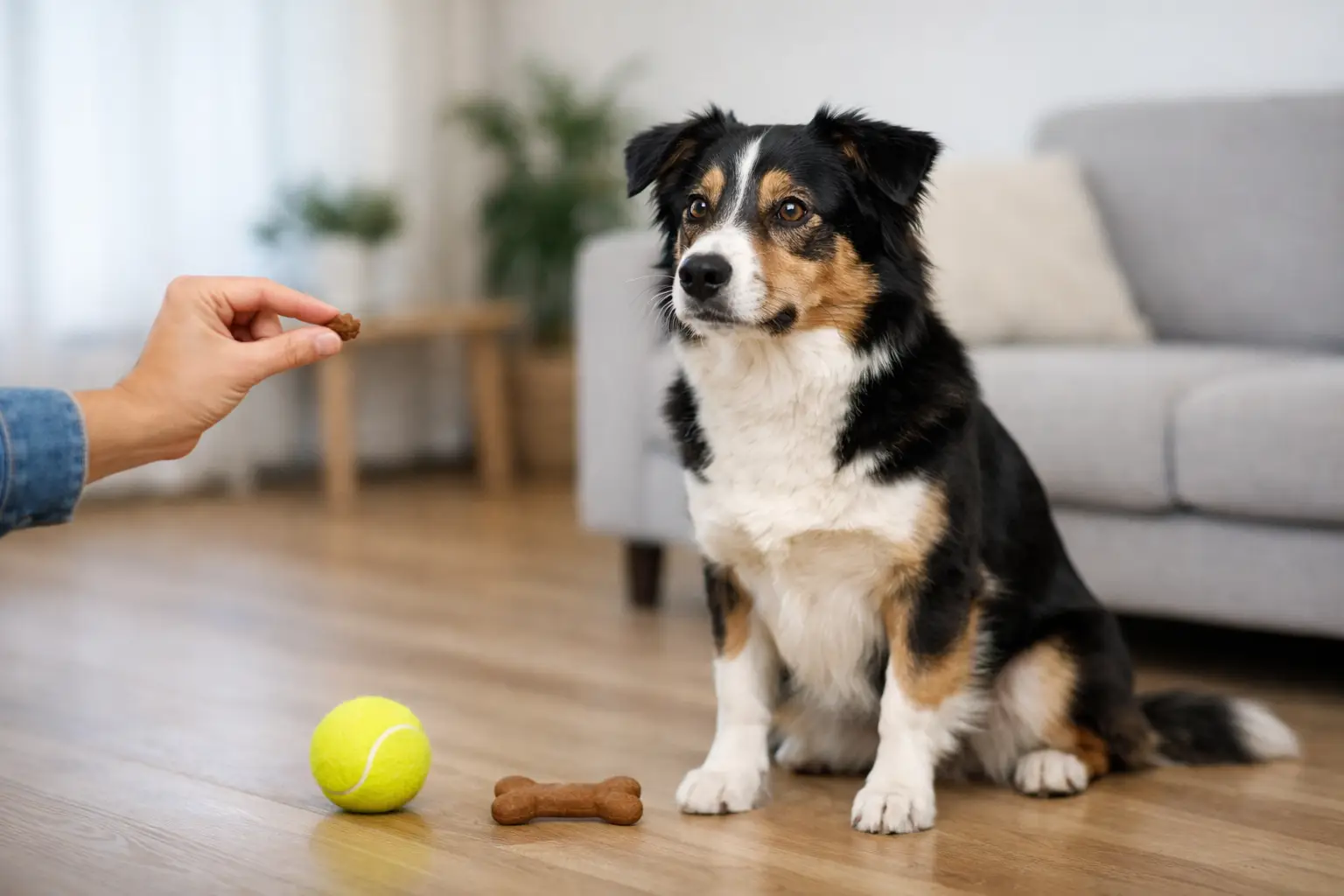
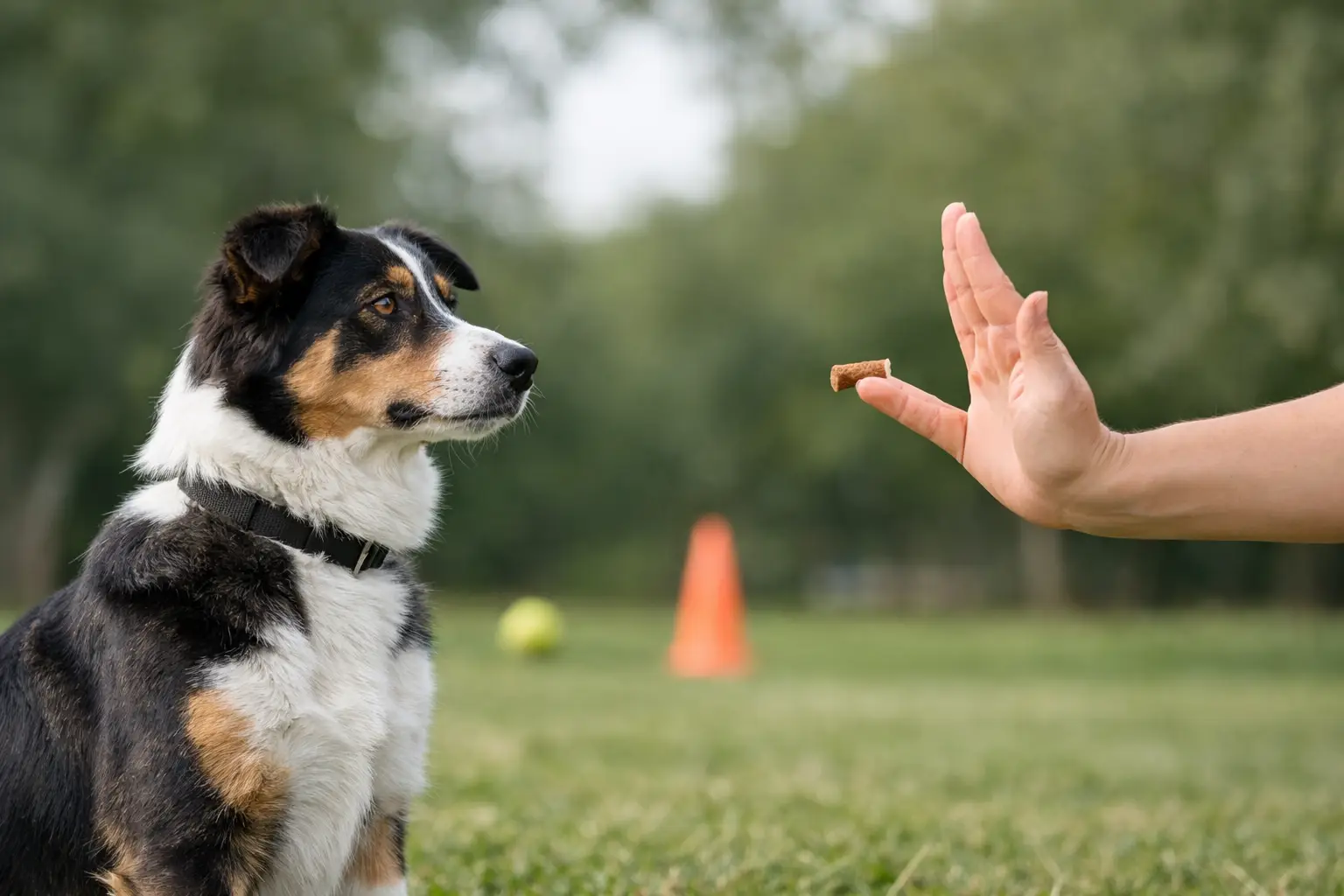
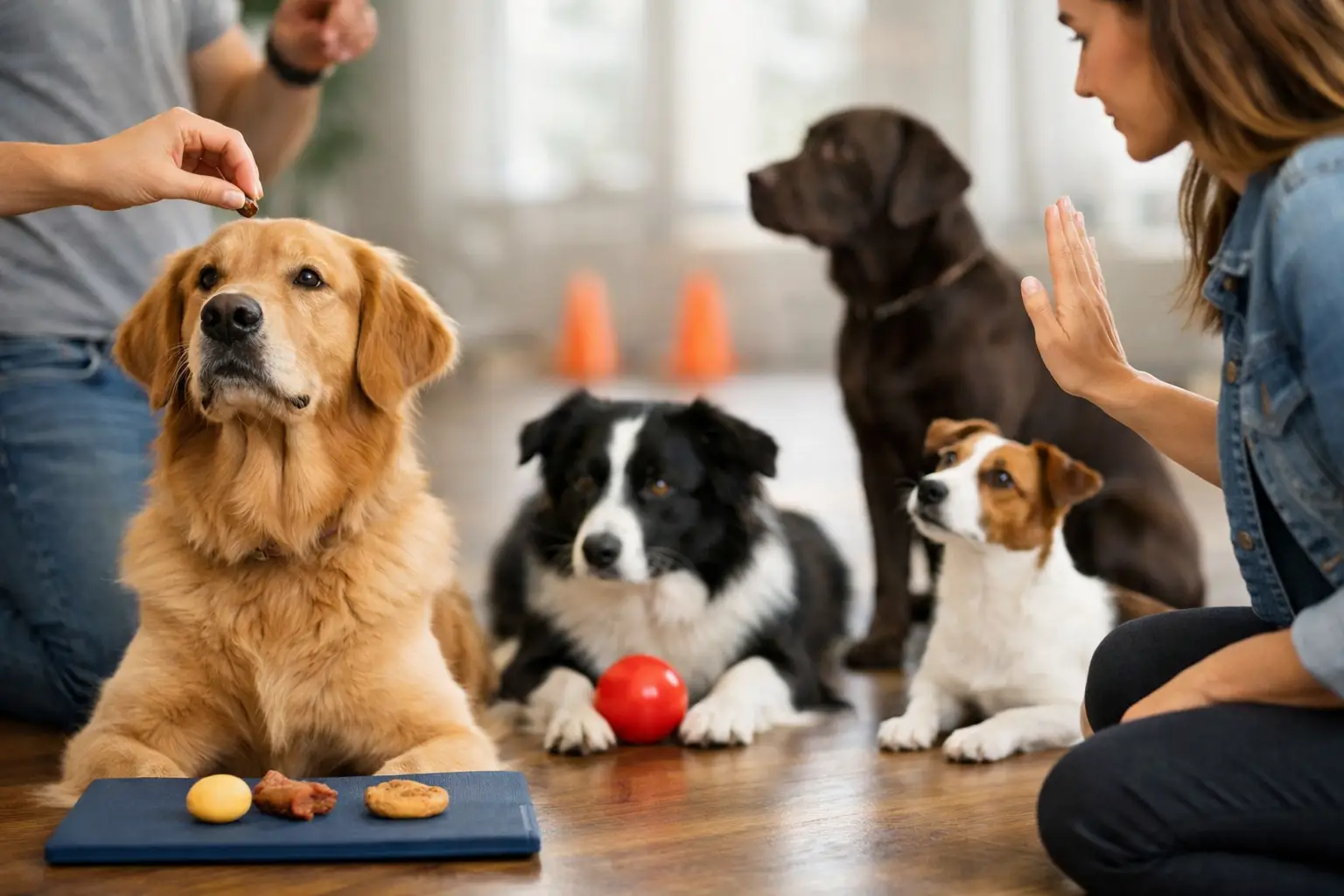
A reliable leave it cue can prevent many bad decisions, from grabbing food to rushing toward something unsafe. Begin with a treat in your closed fist. Let your dog investigate. The instant they pull their nose away, even slightly, mark the choice with a calm “yes” and give them a different treat from your other hand.
Your dog learns that ignoring one thing earns something better from you. Once they understand the game, progress to an open hand, a treat on the floor covered by your foot, and eventually an uncovered treat. Only increase the difficulty when your dog is successful several times in a row.
Do not repeat “leave it” over and over while your dog stares at the item. Say it once, then help your dog make the right choice by creating enough distance or covering the temptation. Clear training beats constant nagging.
Reward Calm Greetings Before the Jump
Jumping is usually an impulse control problem disguised as friendliness. Your dog sees a person and rushes forward because that has worked before. Even pushing the dog away or talking excitedly can feel like attention.
Set up practice with someone your dog knows. Keep your dog on leash and ask the helper to approach only when your dog has four paws on the floor. If your dog jumps, the person quietly turns away or steps back. The moment your dog returns to the floor, the person can move closer and you can reward.
For some dogs, a sit is helpful. For others, expecting a still sit while a person approaches is too hard. Four paws on the floor may be the better first goal. Train the behavior your dog can actually perform, then raise the standard over time.
Add a Pause Before Fun Activities
The fastest way to build dog impulse control is to use rewards your dog already wants. Before throwing a ball, unclipping the leash at a safe area, putting down dinner, or inviting your dog onto the couch, ask for a brief pause.
Keep it practical. Ask for two seconds of calm before the ball throw, then release your dog to chase it. At the next repetition, ask for three or four seconds. If your dog gets frantic, reduce the wait time. Training should build anticipation without pushing your dog into frustration.
This approach works because impulse control stops being a separate chore. It becomes part of normal life. Your dog learns that patience is the route to everything good.
Common Mistakes That Slow Progress
The most common mistake is asking for too much too soon. A dog who can wait for dinner in a quiet kitchen may not be ready to wait calmly at the front door when another dog walks past. Distractions change the difficulty. Train in easier settings before expecting reliable behavior in busy ones.
Another mistake is accidentally rewarding the behavior you want to stop. If your dog pulls toward a tree and eventually gets there, pulling worked. If your dog barks at the door until you open it, barking worked. You do not need to be perfect, but notice what your dog is practicing every day.
Avoid relying on corrections to force stillness. A dog may stop moving because they are worried, confused, or shut down, but that is not the same as learning self-control. You want a dog who understands what earns rewards and can make good choices willingly.
Finally, make sure your dog’s basic needs are being met. A dog with too little exercise, no sniffing time, limited sleep, or constant overstimulation will struggle to settle. Physical activity alone will not fix impulsive behavior, but appropriate exercise and enrichment make training much easier.
When Impulse Control Is Not the Whole Problem
Impulse control exercises help with excitement and everyday manners, but they are not a complete solution for every behavior issue. If your dog is growling, snapping, lunging, or showing intense fear around people or dogs, do not treat it as simple disobedience. Create distance from triggers and get qualified, behavior-focused help.
The same applies to sudden behavior changes. Pain, illness, and discomfort can make a normally patient dog reactive or restless. Check with your veterinarian if your dog’s behavior shifts quickly or seems out of character.
For ordinary pulling, jumping, barking, and overexcitement, though, consistent practice can make home life feel very different. Start with one routine your dog experiences every day. The food bowl or front door is usually enough.
Your dog does not need perfection to make progress. One calm pause before a door opens can become a calmer walk, a better greeting, and a dog who looks to you before making the next big decision.
This guide to off leash reliability shows you how to build a fast, safe recall with clear training, proofing, and smart real-world decisions every day.
Try the best dog impulse control games to build better manners, reduce jumping and barking, and help your dog listen calmly around everyday distractions.