Helping You Raise a Calm, Happy & Well-Behaved Dog
How to Reduce Dog Fence Fighting at Home
Sara Michael,
Sharing is caring 😉
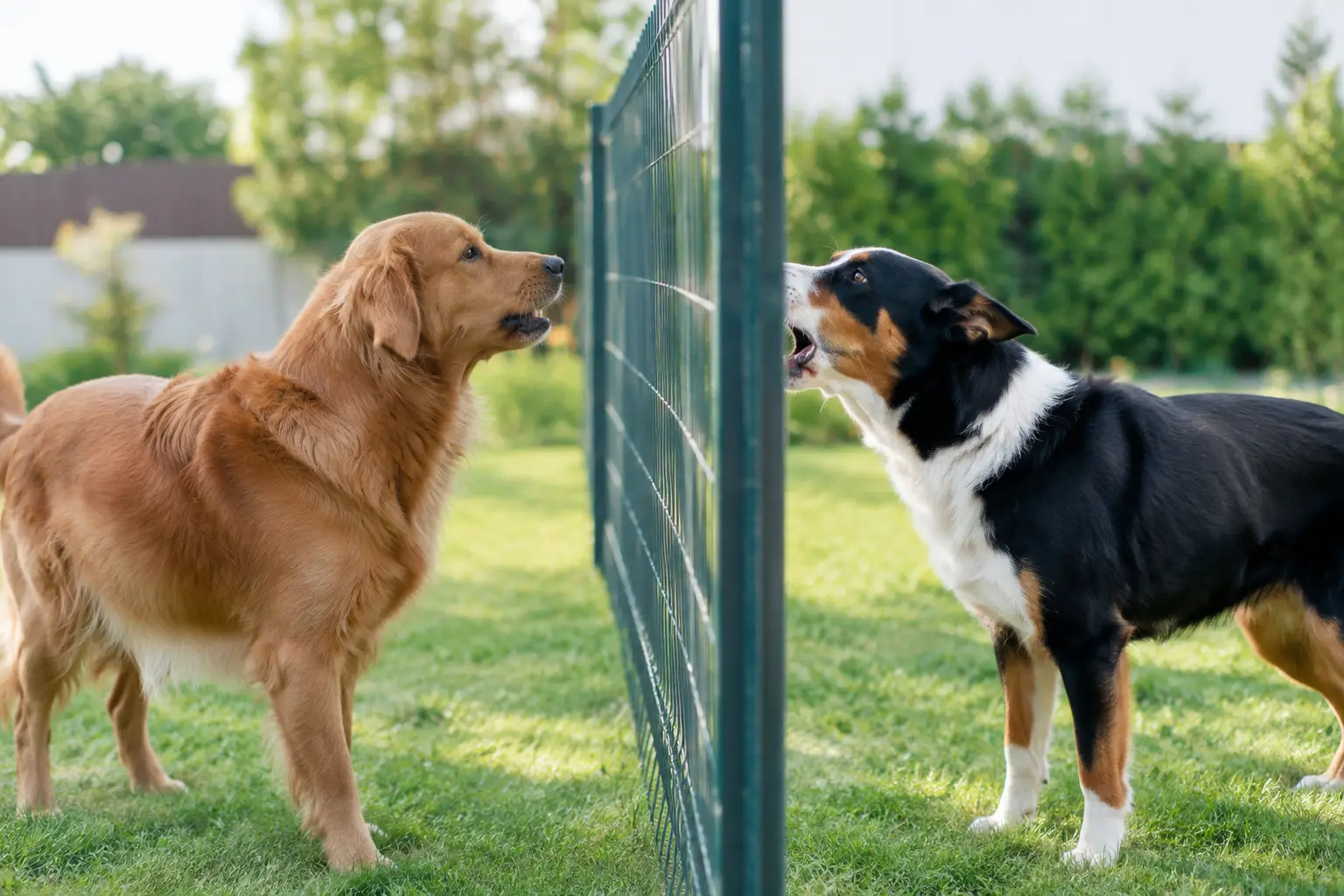
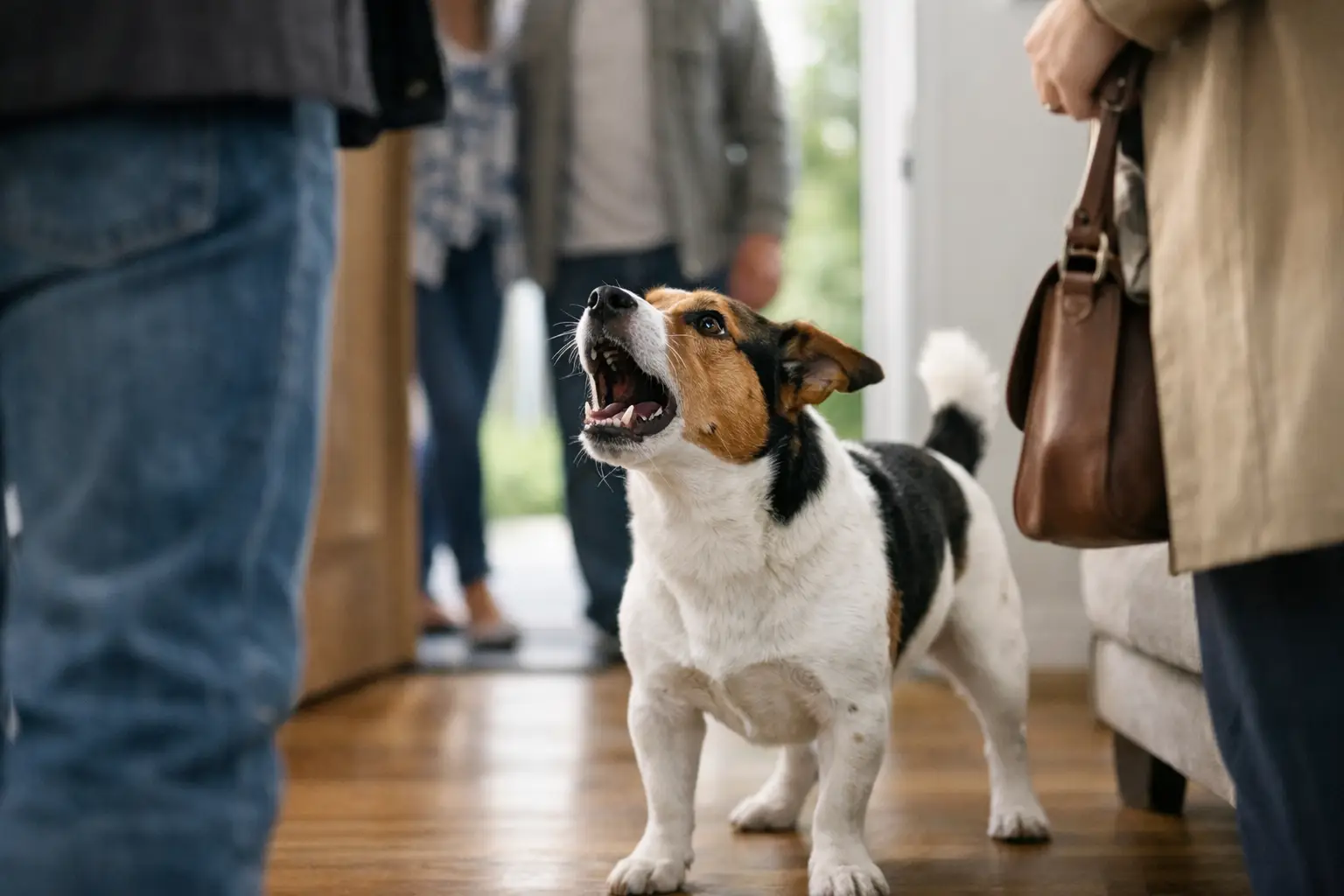
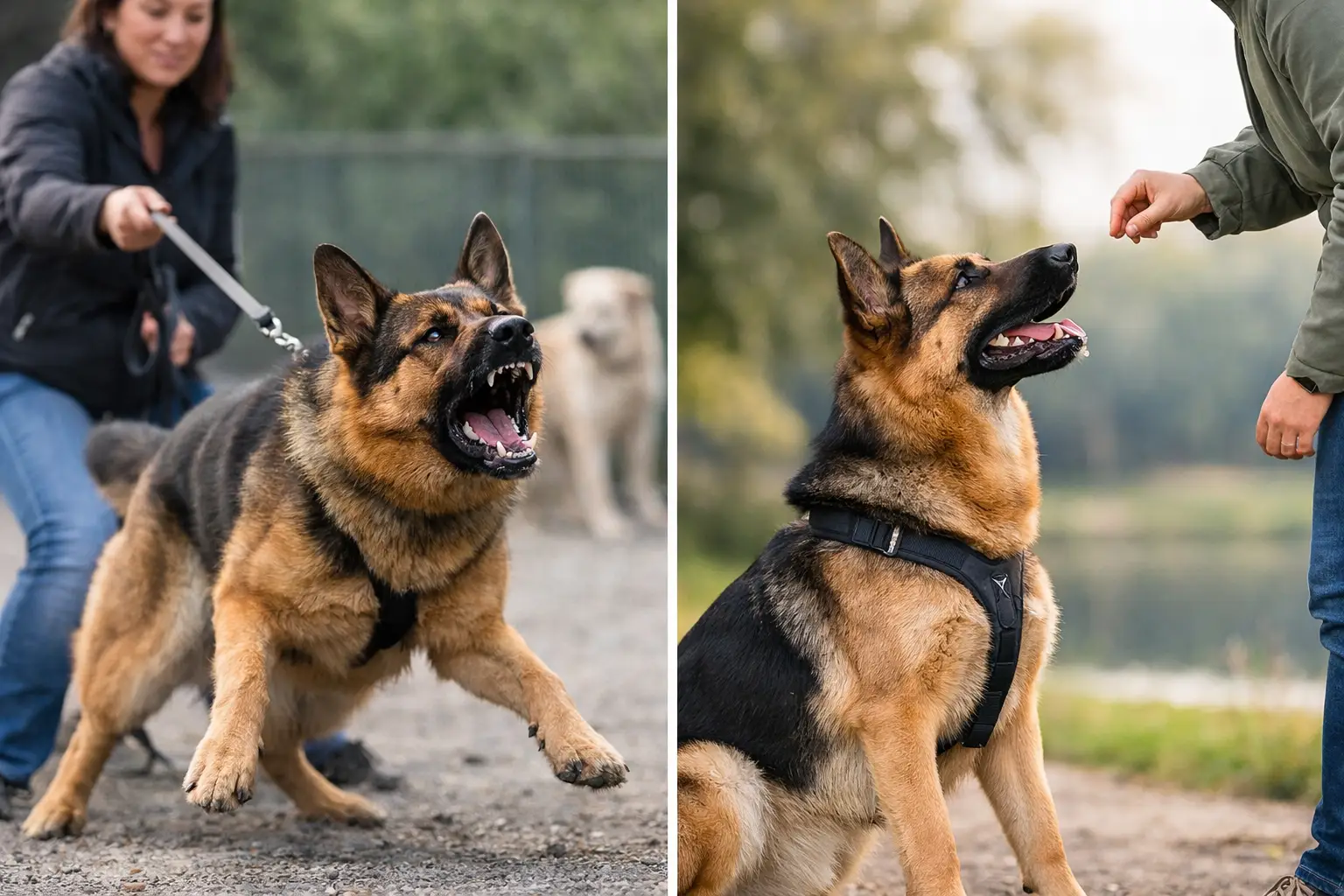
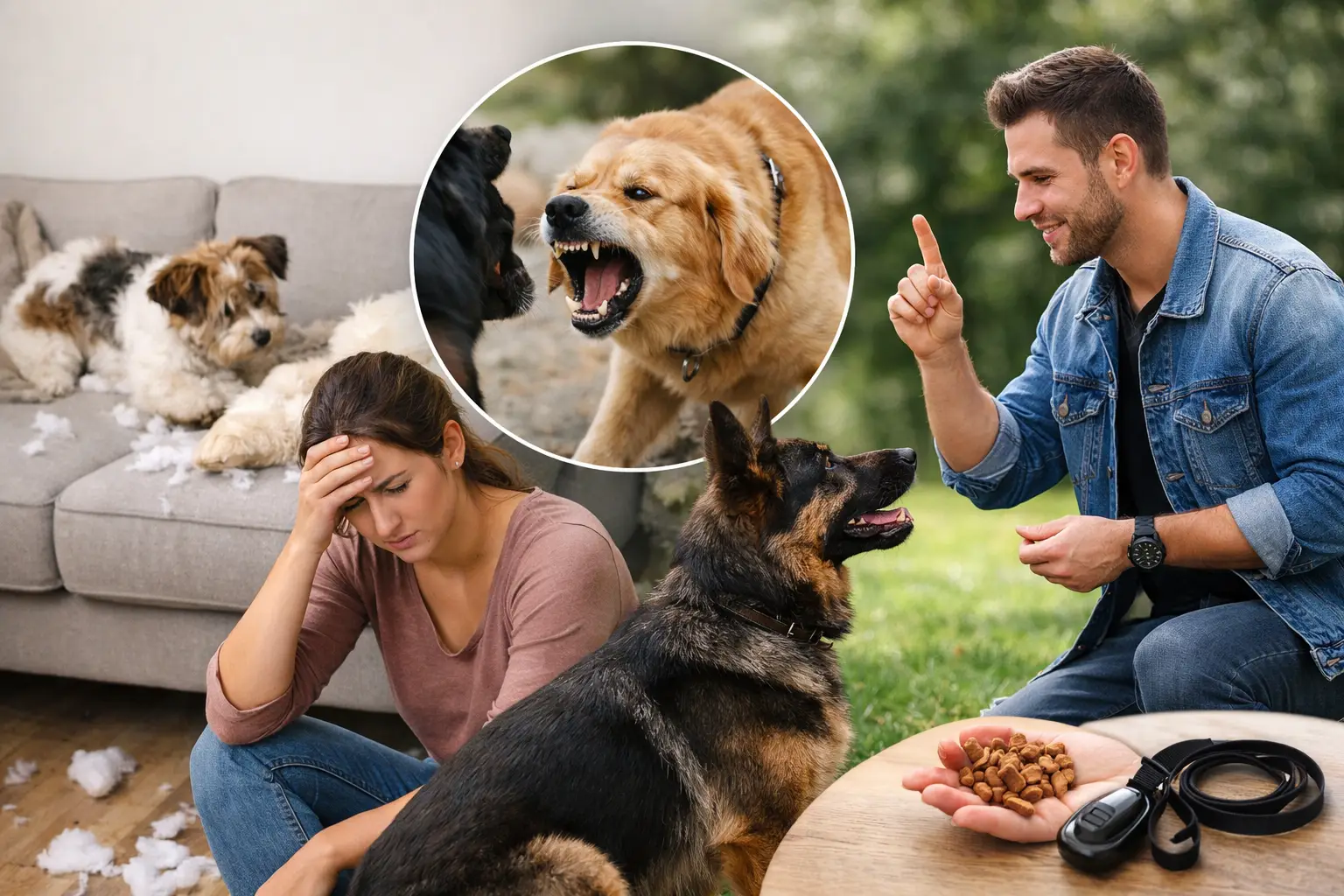
The sound usually starts before you see it: paws hitting the ground, frantic barking, and your dog racing the fence line as if the other dog is a threat that must be driven away. To reduce dog fence fighting, you need more than louder corrections or a few distracted recalls. You need to stop the daily rehearsal, lower your dog’s arousal, and teach a clear alternative behavior they can perform when another dog appears.
Fence fighting can look dramatic, but it is a trainable problem. The sooner you address it, the easier it is to prevent the behavior from becoming your dog’s automatic response every time a neighbor lets their dog outside.
Most fence fighting is driven by a mix of territorial behavior, frustration, fear, and excitement. Your dog sees another dog close to their space but cannot approach, investigate, or move away naturally. The fence creates pressure. Barking, lunging, and charging may make the other dog leave eventually, so your dog learns that the outburst worked.
That is why this behavior gets stronger with repetition. Your dog is not necessarily trying to be “bad,” and it does not always mean they would fight if they met the other dog in an open area. Still, do not assume the fence makes the situation harmless. A damaged fence, an open gate, or a dog squeezing underneath can turn a loud display into a real dog fight quickly.
The goal is not to force two dogs to like each other through a fence. Your goal is to teach your dog that seeing the neighbor dog is a cue to disengage, return to you, and settle.
Start by Preventing More Fence Fights
Training works best when your dog is no longer getting unlimited practice at the behavior. Every full-speed fence fight makes the next one easier to trigger. Management is not giving up on training. It is how you create enough calm repetitions for training to take hold.
Do not leave your dog outside unsupervised if the neighbor’s dog is likely to be out. Take them out on a leash or long line during the retraining period, especially if they immediately sprint to one section of the yard. This lets you interrupt the rush before it becomes barking and lunging.
If possible, block your dog’s view of the trigger. Privacy panels, solid fencing, outdoor screening, shrubs, or a temporary visual barrier can make a major difference. A see-through chain-link fence is often the hardest setup because dogs can stare, posture, and react from only a few feet away.
For dogs that can still run the fence line even without seeing the other dog, create distance. Use a temporary exercise area farther from the shared boundary, or keep your dog on a long line in the part of the yard where they can stay successful. If either dog has a history of biting through the fence, install a second barrier with enough space between fences that neither dog can make contact.
Do not put your hands, face, or body near the fence during an active conflict. Do not reach through it to grab a collar. Secure your dog with distance and a leash when it is safe, then calmly bring them indoors.
Build the Skills That Replace the Reaction
You cannot expect a dog in full fence-fighting mode to suddenly respond to a command they barely practice at other times. First, teach simple obedience away from the fence, where your dog can think clearly and succeed.
Make Your Recall Worth Taking
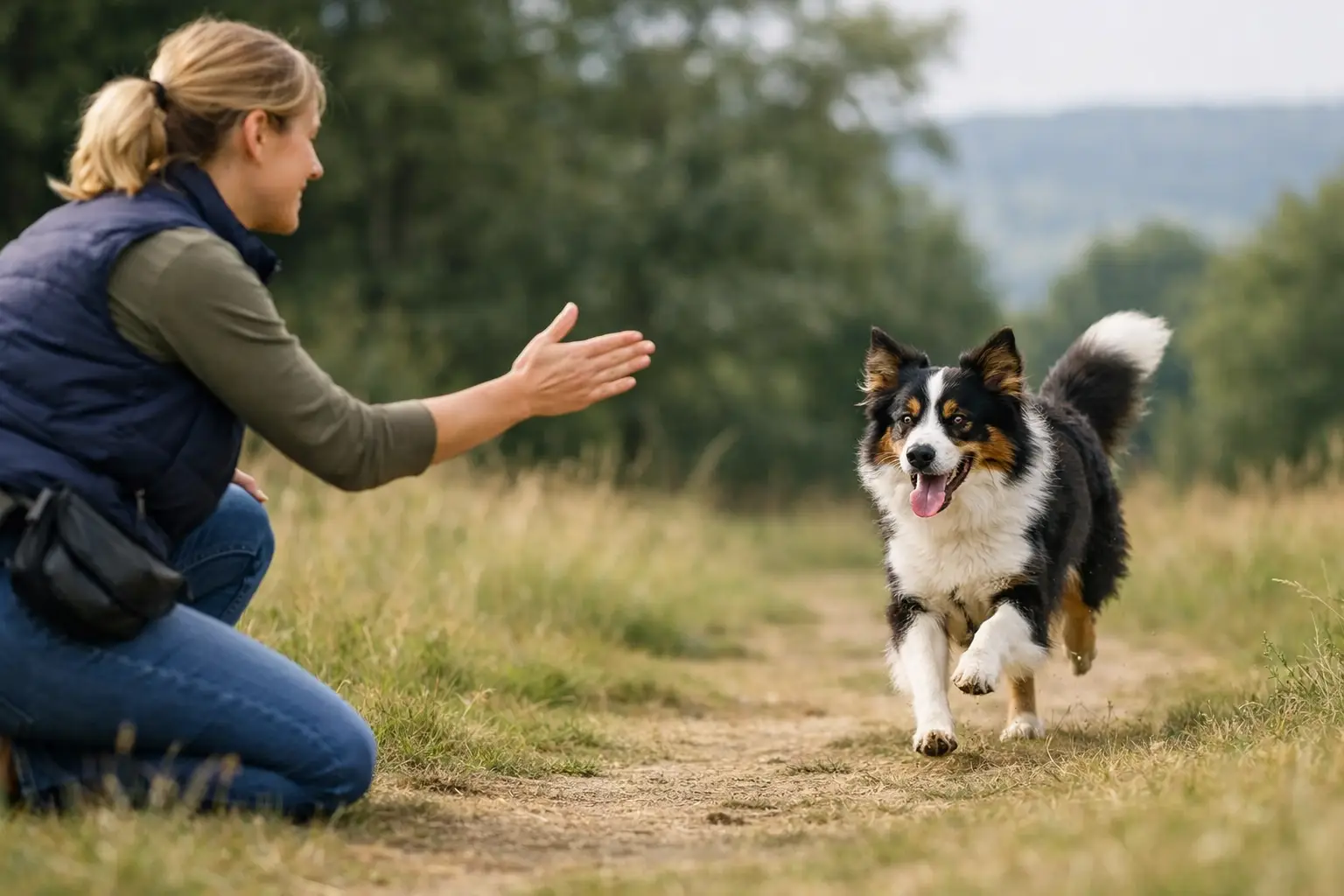
Practice calling your dog to you indoors, then in the yard when nothing exciting is happening. Use one consistent recall word, say it once, move backward a few steps, and reward generously when your dog reaches you. Food, a favorite toy, or access to something they enjoy can all be rewards.
Avoid calling your dog only when playtime is over or when you are about to bring them inside. If recall always ends the fun, many dogs will decide the fence is more rewarding than you are. Call them, reward them, then release them back to sniff or explore several times during each outing.
Teach a Turn-Away Cue
A simple cue such as “this way” is extremely useful. While walking with your dog, say the cue, turn 180 degrees, and reward your dog for following. Start in easy places. Your dog should learn that turning with you is fast, familiar, and rewarding before you use it near another dog.
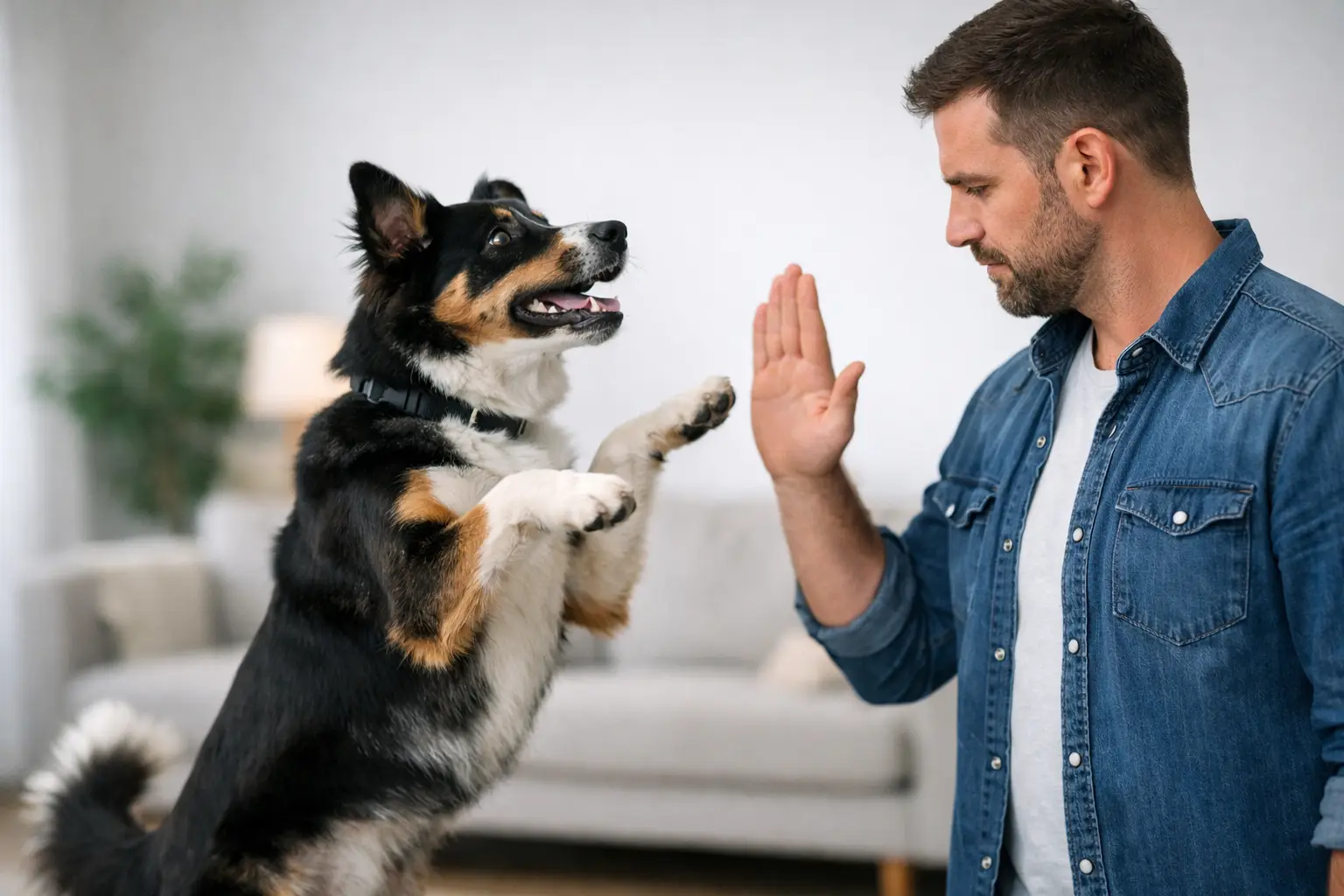
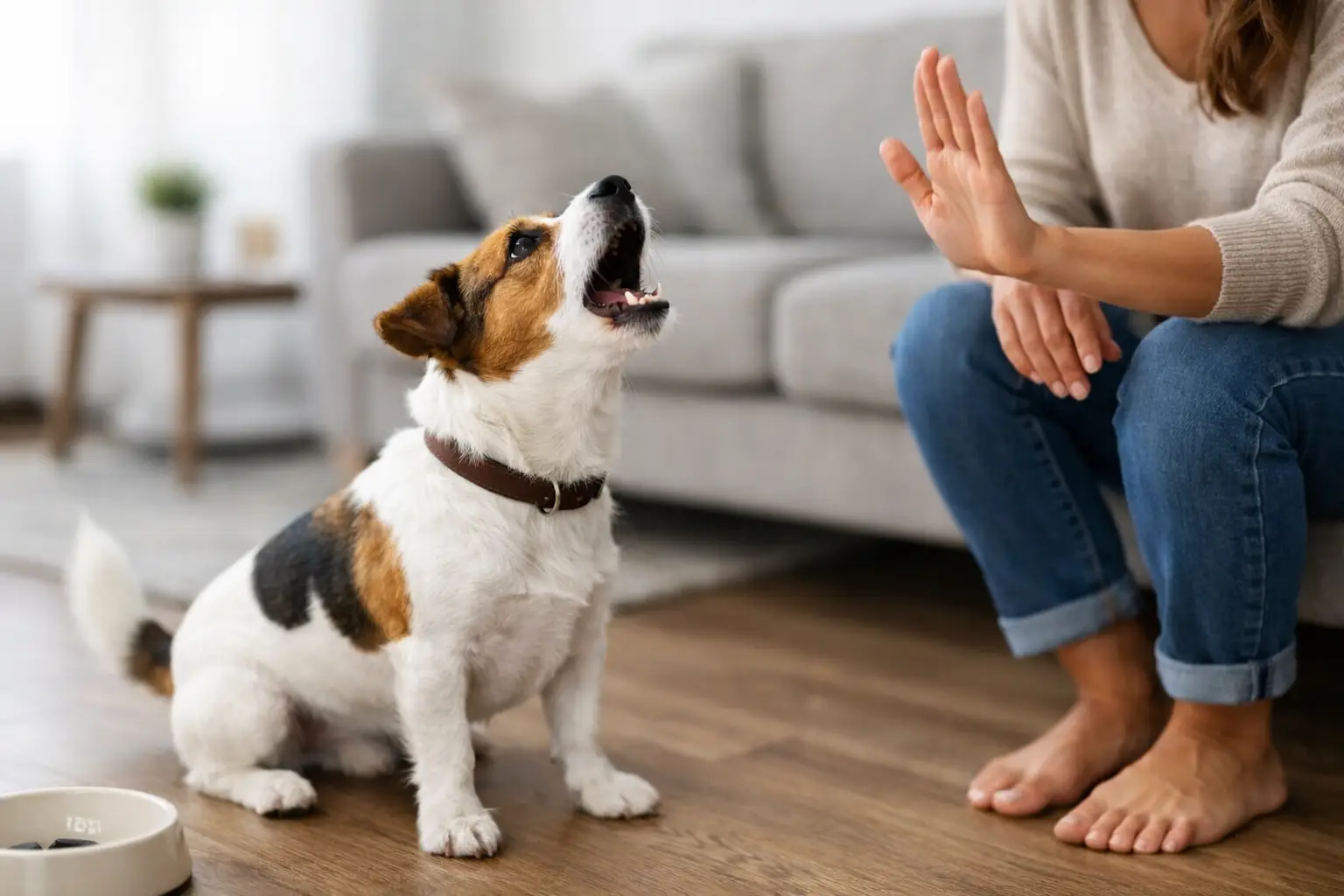
You can also teach a hand target. Hold out your hand, reward your dog for touching it with their nose, and gradually practice while moving. A hand target gives your dog a specific job that is incompatible with staring at the fence.
Practice Calm on a Mat or Place
A reliable place command gives energetic dogs a way to settle after they come inside. Teach your dog to go to a bed or mat, lie down, and relax while normal household activity happens around them. This is not just a trick. It builds impulse control and helps your dog recover faster after seeing a trigger outside.
A Step-by-Step Plan to Reduce Dog Fence Fighting
Once you have management in place and your dog understands the basics, begin controlled practice. Keep sessions short. Three calm minutes are more valuable than 20 minutes of escalating barking.
Work Below Your Dog’s Explosion Point
Begin far enough from the fence that your dog can notice the other dog without lunging, barking, freezing, or ignoring you. For some dogs, this may mean practicing from the back door or inside the house with a clear view through a window.
The moment your dog sees the neighbor dog, mark the calm observation with a cheerful “yes” and give a reward. Then encourage your dog to turn away with your recall, hand target, or “this way” cue. You are teaching a new pattern: see dog, check in with owner, earn something good.
If your dog cannot eat, cannot respond to their name, or is pulling hard toward the fence, you are too close or the situation is moving too fast. Increase distance immediately. Do not keep repeating commands while your dog is overwhelmed.
Reward the Choice to Disengage
At first, reward every glance away from the fence. Later, reward your dog for coming to you, walking beside you, sniffing the ground, or calmly choosing another activity. These are the behaviors you want to see more often.
The timing matters. Reward while your dog is still under control, not after they have already spent 30 seconds rehearsing the outburst. If the neighbor dog disappears before you can practice, use a helper dog at a safe distance only if both dogs are calm and the setup is secure.
Gradually Reduce Distance
As your dog succeeds, work a few feet closer on later sessions. Progress is not always straight. A high-energy neighbor dog, a delivery truck, or several days without practice can make the situation harder. Adjust the distance instead of treating a setback as failure.
Your dog does not need to sit perfectly and stare at you every time another dog is outside. A realistic win is a dog who notices the trigger, turns away when asked, and can leave the area without an argument.
Mistakes That Keep the Problem Going
Yelling across the yard often adds more noise and energy to an already intense moment. Your dog may think you are joining the conflict. Harsh punishment can also make the presence of the other dog feel even more unpleasant, which may increase fear-based reactions.
Avoid allowing “just a little” fence running because your dog has not made contact. The barking itself is practice. Also avoid forcing greetings through the fence. Nose-to-nose contact through a barrier is not a safe way for dogs to make friends.
Do not rely on a recall that has never been trained around distractions. Build it in easy situations, then raise the difficulty in small steps. Clear training beats repeated shouting every time.
When You Need More Help
Get professional support if your dog has bitten through a fence, redirected onto a person or another pet, escaped to reach another dog, or cannot disengage even at a large distance. A qualified trainer can assess the setup, your dog’s body language, and the safest training plan. If the aggression appeared suddenly or your dog seems unusually irritable or painful, talk with your veterinarian as well.
Your dog does not have to spend every outdoor break on high alert. With tighter management, consistent obedience practice, and calm repetitions near the fence, the yard can become a place where your dog relaxes instead of rehearsing a fight.
Use this guide to puppy socialization to build calm confidence, prevent future behavior problems, and help your dog listen anywhere you go with control.
Dog socialization helps your puppy or adult dog stay calm around people, dogs, and new places. Use this clear, step-by-step plan for progress that lasts.